Vampire Horror Books: 12 Novels That Still Bite
The best vampire horror books fall into three groups: the foundations (Dracula, ‘Salem’s Lot, Interview with the Vampire), the modern reinventions (The Lesser Dead, Certain Dark Things, Nestlings) and the recent wave that treats vampirism as a social or intimate horror (A Dowry of Blood, House of Hunger). Below you’ll find what each one is about, what kind of dread it delivers, and how to try a vampire story before you commit to it.
TL;DR
- Start with the classics if you want the rules of the genre: Dracula (1897) and ‘Salem’s Lot (1975).
- Pick modern novels like The Lesser Dead or Nestlings if you want vampires in a gritty, contemporary city.
- Choose A Dowry of Blood or House of Hunger for vampirism as power, intimacy and exploitation.
- Match the book to the kind of fear you enjoy: small-town dread, urban paranoia, plague apocalypse or gothic romance.
- Read a sample chapter first. A vampire novel lives or dies on its voice, and a first chapter shows you that fast.
Table of Contents
- What makes a vampire book horror rather than romance
- The classics that wrote the rules
- Modern vampire horror novels worth your time
- Which book for which kind of fear
- How to pick by tone
- Our perspective: why the first chapter matters more than the cover
- Standalone or series: what to check before you start
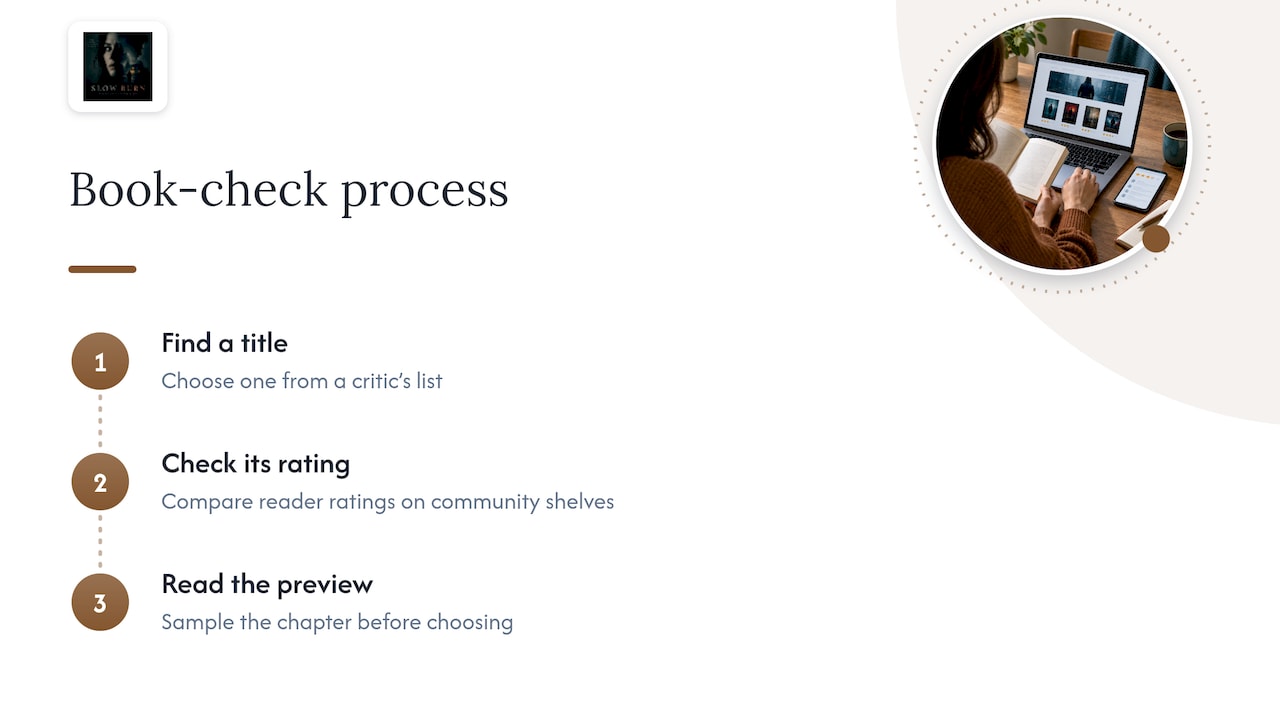
- How to preview a vampire ebook before you buy
- Find your next vampire read with us
- Pairing vampire books with other horror
- FAQ
- Sources
What makes a vampire book horror rather than romance
Search for vampire fiction and you get everything from brooding paranormal romance to blood-soaked monster stories. Both are legitimate, but they feel nothing alike. Horror keeps the vampire dangerous. The creature feeds, the community suffers, and the ending is not guaranteed to be kind.
Library readers’ advisory work makes the same distinction. Becky Siegel Spratford, in The Readers’ Advisory Guide to Horror, notes that librarians have to separate true horror from general paranormal fiction, because supernatural elements have spread into political thrillers, detective stories and other genres. A vampire on the cover does not make a book horror.
A quick test before you buy:
- Who holds the power? In horror, the vampire usually does, and the human characters pay for it.
- Is the dread the point? If the pages are built around menace, isolation or loss, you are in horror territory.
- Does the setting turn against the characters? The best vampire horror makes a town, a building or a whole city feel infected.
The list below sticks to books that pass that test, with a couple of crossover picks flagged as such.
The classics that wrote the rules
Dracula by Bram Stoker
Bram Stoker’s 1897 novel is the book that dragged the vampire into the literary limelight, according to a Washington Post retrospective on vampire fiction. Nearly every later vampire story either follows it or argues with it. It is told through letters, diary entries and documents, which gives it a slow, creeping, found-evidence feel. Read it for the atmosphere and the sense of an old evil arriving in a modern world, not for fast pacing.
‘Salem’s Lot by Stephen King
Stephen King’s official page for ‘Salem’s Lot lists a release date of October 17, 1975, and describes the premise: Ben Mears returns to his isolated hometown and finds it infested with vampires. This is the benchmark for small-town vampire horror. The fear is not one monster but a community quietly emptying out, house by house. If you like slow-burn dread that pays off in the last third, begin here.
Interview with the Vampire by Anne Rice
The Robbins Library’s vampire horror recommendations include Anne Rice’s Interview with the Vampire among their honorable mentions. It is the lush, melancholy, gothic end of the spectrum: the vampire as narrator, immortality as a curse, and horror that comes from loneliness as much as from violence. It suits readers who want atmosphere and moral weight more than jump scares.
I Am Legend by Richard Matheson
This one reads as science fiction horror. Per the same library list, it depicts a plague that mutates everyone but Robert Neville into bloodthirsty, nocturnal creatures. The terror is isolation: one man, a besieged house and the question of what “normal” even means once everyone else has changed. It is short, bleak and very different from the gothic castle tradition.
If you enjoy the gothic side of these older books, our guide to gothic horror books, classics and modern reads covers the wider tradition around them.
Modern vampire horror novels worth your time
The Lesser Dead by Christopher Buehlman
The Robbins Library describes it as set in New York City in 1978, following Joey Peacock. Buehlman’s vampires live underground, and the book trades castles for subway tunnels and a rundown, dangerous city. It is a good pick if you want vampires who feel like a street-level subculture, with grime, humor and real menace together.
Certain Dark Things by Silvia Moreno-Garcia
Silvia Moreno-Garcia’s own page for the 2016 novel calls it a neo-noir vampire story set in Mexico City, following a street kid and a jaded vampire on the run. It moves like a chase thriller, which makes it a strong bridge for readers who normally prefer suspense to monsters.
Nestlings by Nat Cassidy
Published in 2023, Nestlings is set in an exclusive New York City residential building and plays on paranoia and urban horror. The Goodreads page records Esquire’s view that Cassidy is among the best horror writers of his generation. Pick this if the thing that scares you is a home that feels wrong and neighbors who might be hiding something.
The Southern Book Club’s Guide to Slaying Vampires by Grady Hendrix
According to the Robbins Library list, Patricia Campbell and her book club investigate a newcomer after local children go missing. It is an ideal choice if you read with a group: the premise is about book club members, and it gives plenty to argue over, from the suburban setting to who is believed and who is dismissed.
A Dowry of Blood by S.T. Gibson
BookPage’s piece on the return of vampire fiction describes A Dowry of Blood as a queer, feminist reimagining of Dracula. The horror here is intimate: control, devotion and the long afterlife of an abusive bond. For more in that vein, see our curated LGBTQ horror picks.
House of Hunger by Alexis Henderson
The same BookPage feature says House of Hunger features bloodmaids whose blood is harvested to grant health and beauty to the aristocratic members of the houses. It is vampirism as class exploitation, decadent and uncomfortable in a way that feels closer to body horror than to castle gothic. Readers who like that angle may also enjoy our roundup of body horror books to preview first.
Vampire Weekend by Mike Chen
A lighter crossover pick. Reactor reported the novel as a fun vampire story about a lonely immortal woman who rediscovers family and may help save vampire-kind. It is closer to warm, character-driven fantasy than to terror, so choose it when you want vampires without the nightmares.
Which book for which kind of fear
| Book | Setting | Kind of horror | Best for |
|---|---|---|---|
| Dracula | Victorian Europe and England | Gothic dread, ancient evil | Foundations of the genre |
| ‘Salem’s Lot | Small Maine-style town (isolated hometown) | Community collapse, slow burn | Small-town horror fans |
| Interview with the Vampire | Gothic, immortal narrator | Melancholy, moral weight | Atmosphere seekers |
| I Am Legend | Besieged home, plague world | Isolation, survival | Sci-fi horror readers |
| The Lesser Dead | New York City, 1978 | Grimy urban menace | Street-level vampire fans |
| Certain Dark Things | Mexico City | Neo-noir chase | Thriller readers |
| Nestlings | NYC residential building | Paranoia, domestic dread | Haunted-building fans |
| Southern Book Club’s Guide | Southern suburb | Community suspicion, dark humor | Book clubs |
| A Dowry of Blood | Reimagined Dracula story | Intimate, abusive devotion | Gothic romance crossover |
| House of Hunger | Aristocratic houses | Exploitation, body horror | Dark fantasy readers |
How to pick by tone
The appeal of vampire fiction has always been its flexibility. The Washington Post piece credits the genre’s long history of adapting to each new generation for its staying power. That means two vampire books can be completely different reading experiences.
- You want to be scared in bed at night: Nestlings, ‘Salem’s Lot.
- You want to be unsettled but also entertained: The Lesser Dead, The Southern Book Club’s Guide to Slaying Vampires.
- You want fast and plotty: Certain Dark Things.
- You want lyrical and sad: Interview with the Vampire.
- You want ideas as well as blood: A Dowry of Blood, House of Hunger.
If you are building a seasonal pile, our Halloween horror reading list places several of these types beside other monsters and haunted houses.
Our perspective: why the first chapter matters more than the cover
We run a store built only around thrillers, horror and suspense, and we keep seeing the same pattern in how readers choose. The cover and the one-line pitch say “vampire,” but they cannot tell you whether the book is a gothic romance, a street-level chase or a slow, suffocating town story. Those are three different purchases.
That is why our storefront lets you read exclusive preview chapters before buying. A vampire novel depends on voice more than almost any other horror subgenre. Is the narrator tender or cruel? Is the prose ornate or clipped? Does the menace arrive in the first pages, or does the book take its time? You can answer all of that in one chapter, and it costs you nothing but a few minutes.
Our advice, in order:
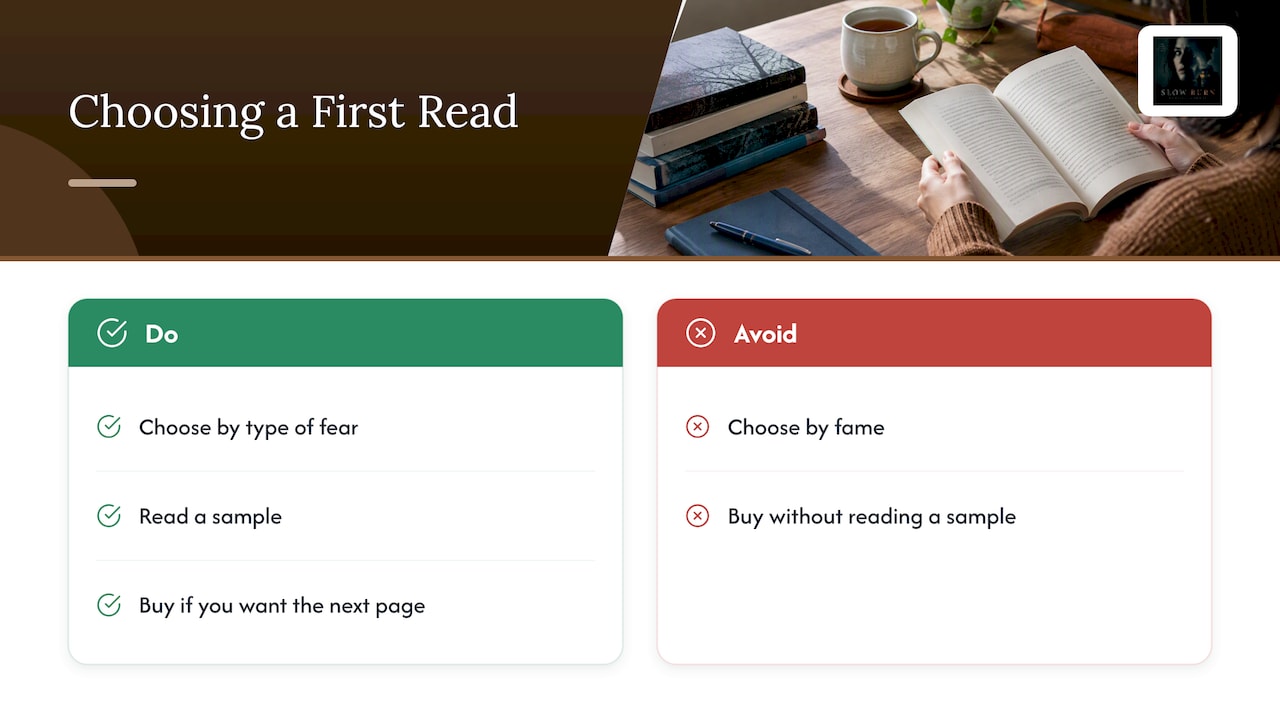
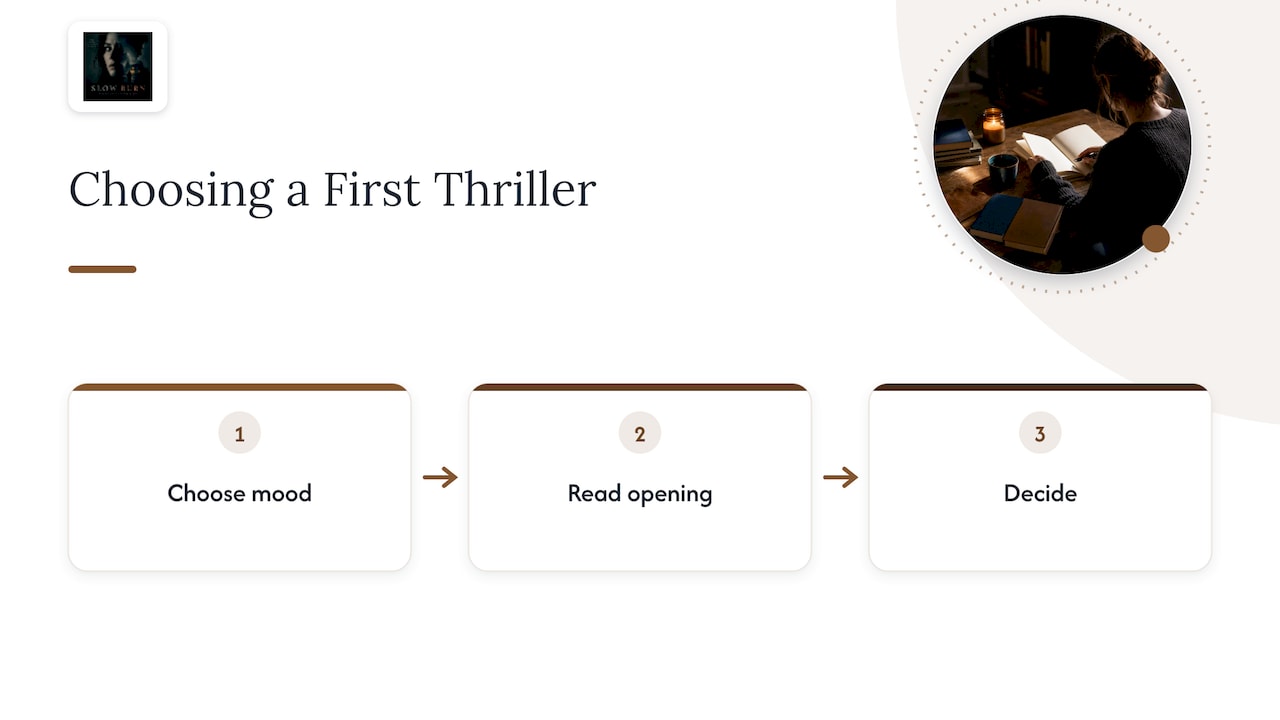
- Decide what kind of fear you want tonight: dread, suspense or atmosphere.
- Read a sample, not a summary.
- If the voice grabs you by the end of chapter one, buy it. If not, move on without regret.
Horror readers are famously loyal once a writer lands. The point of previewing is to find that writer faster, not to make you read more of what does not work for you.
— lorraine
Standalone or series: what to check before you start
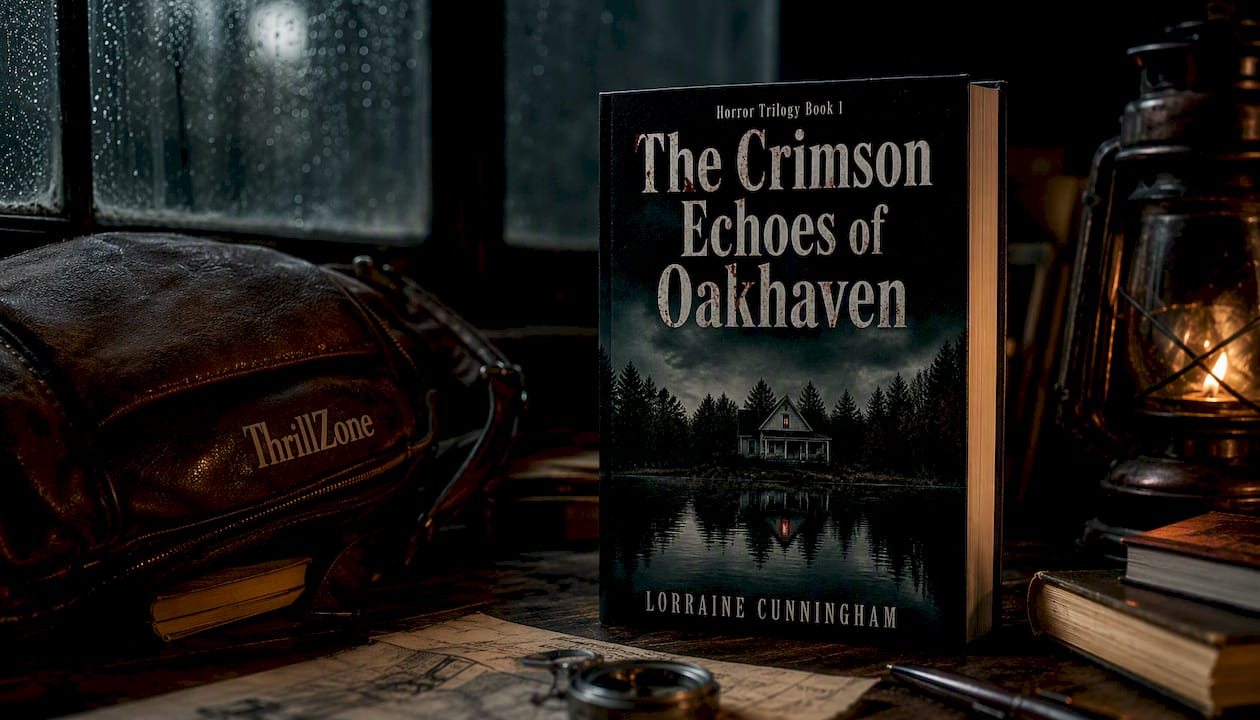
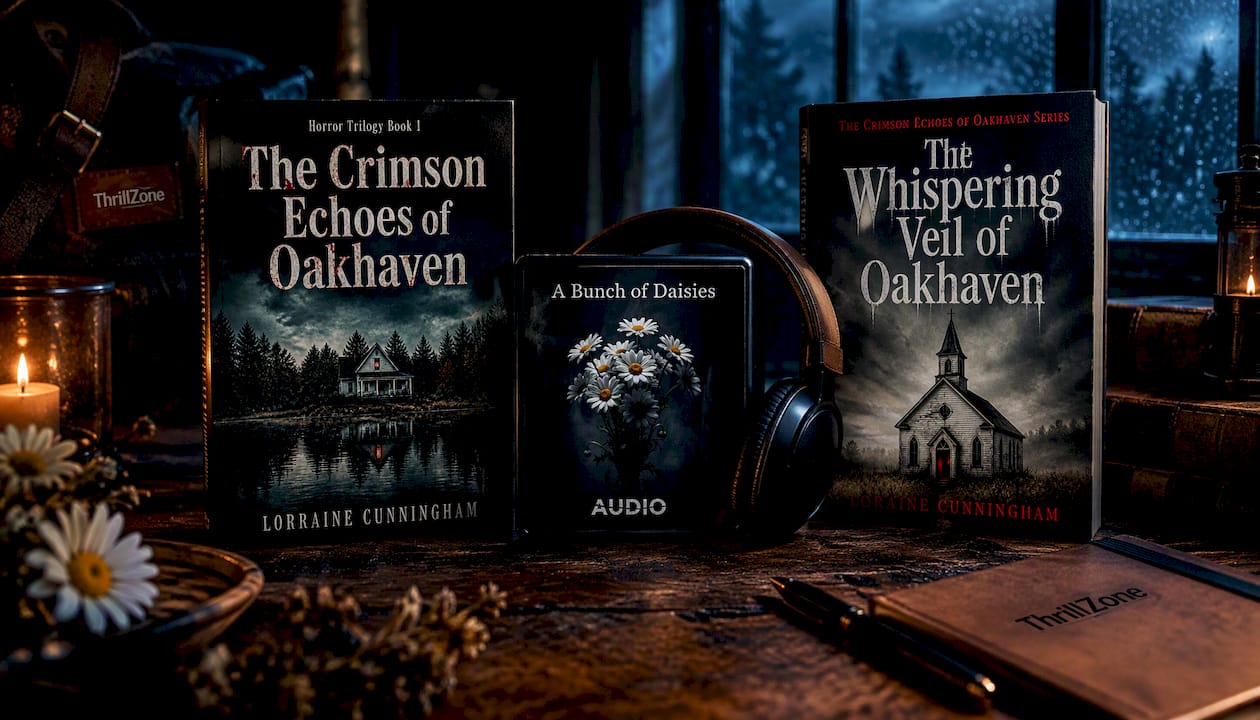
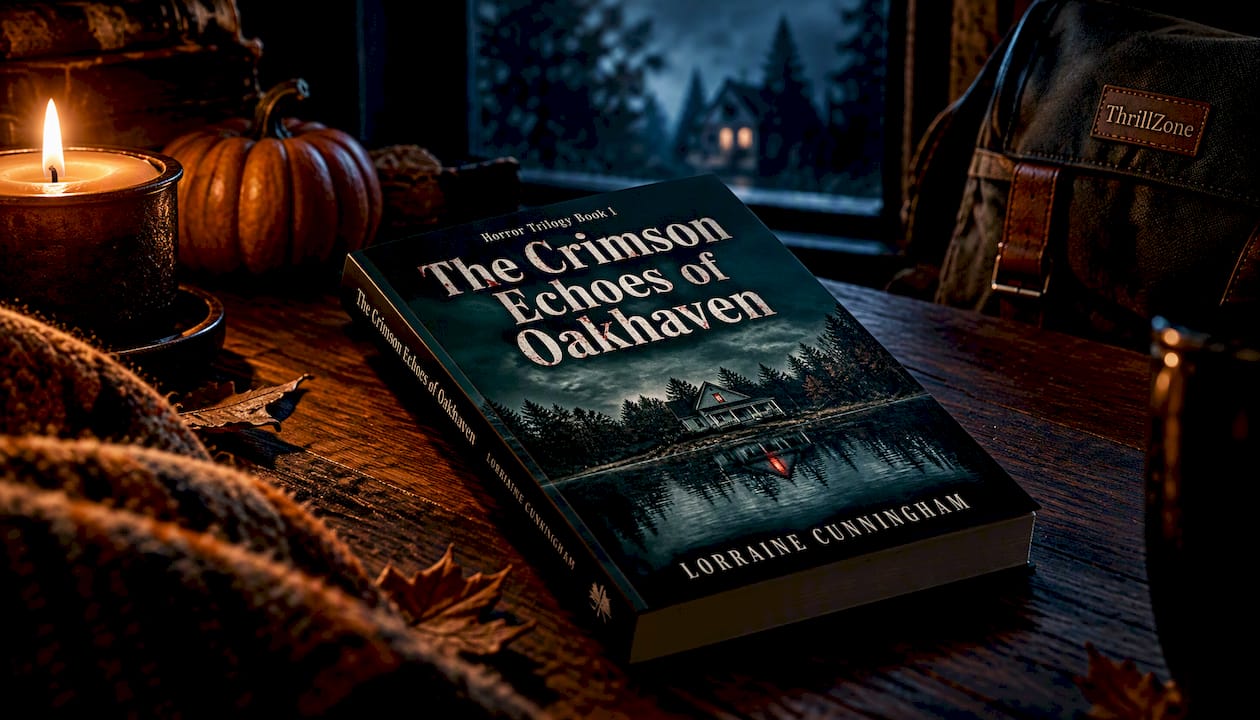
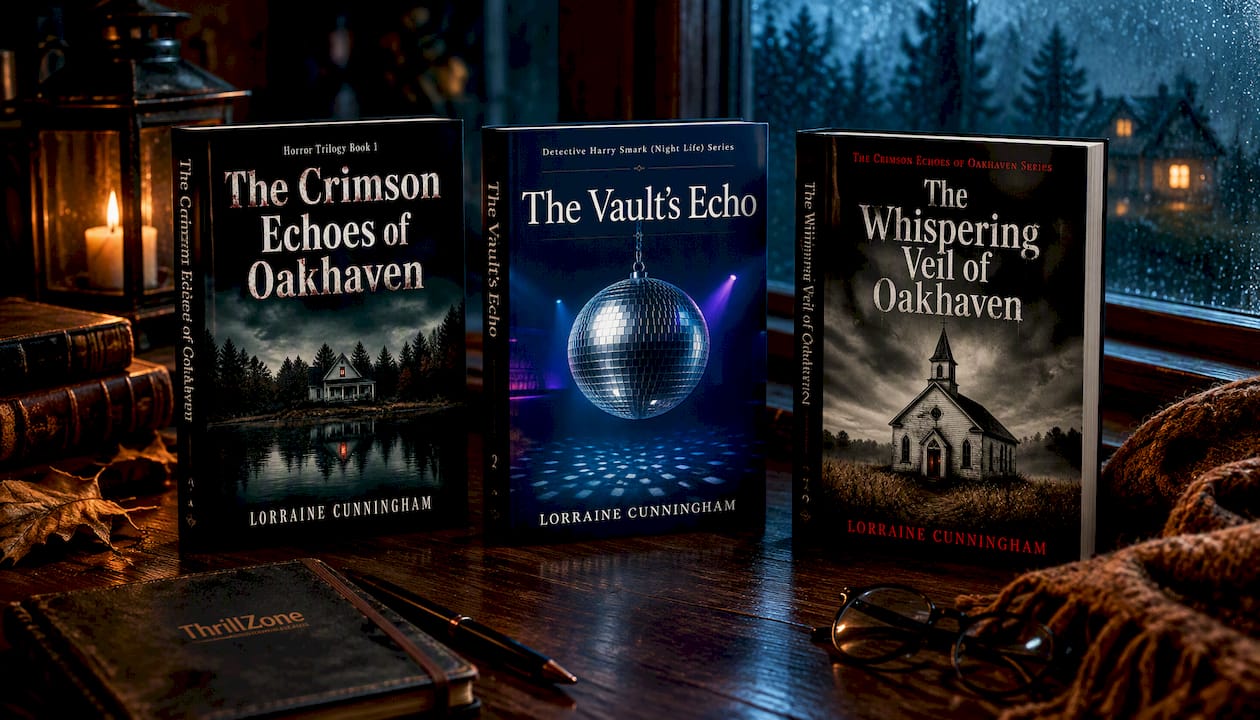
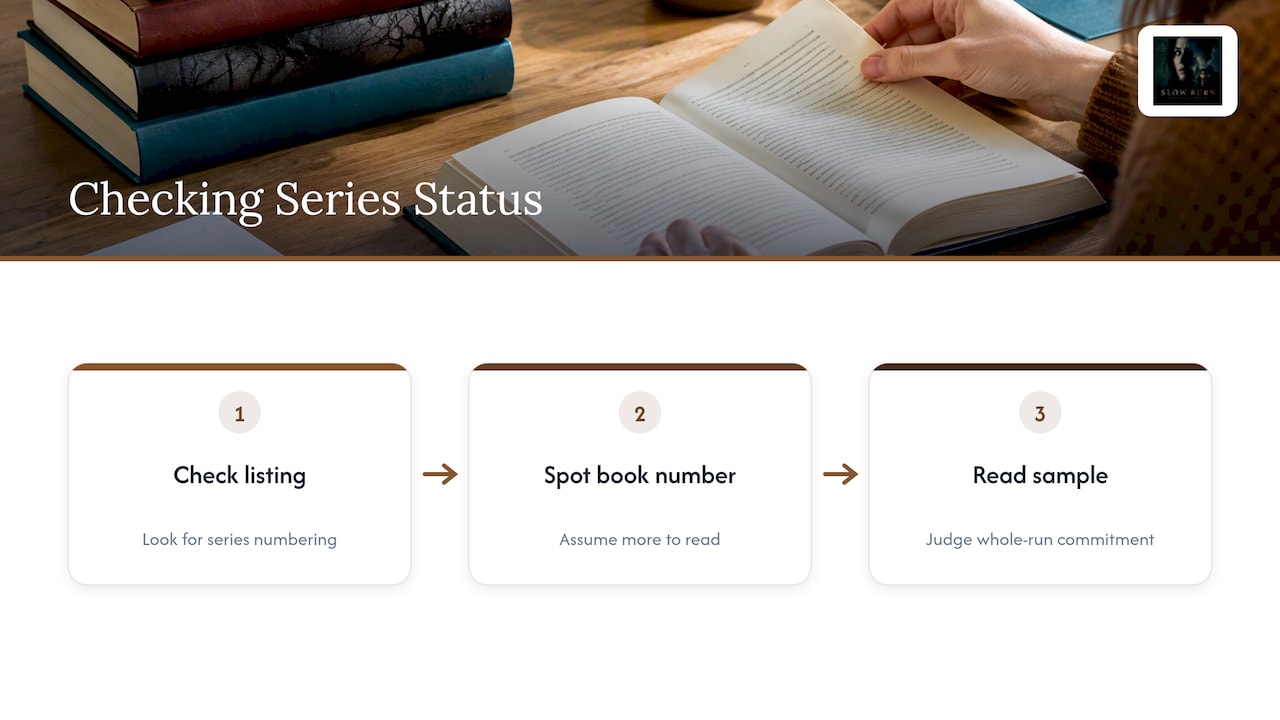
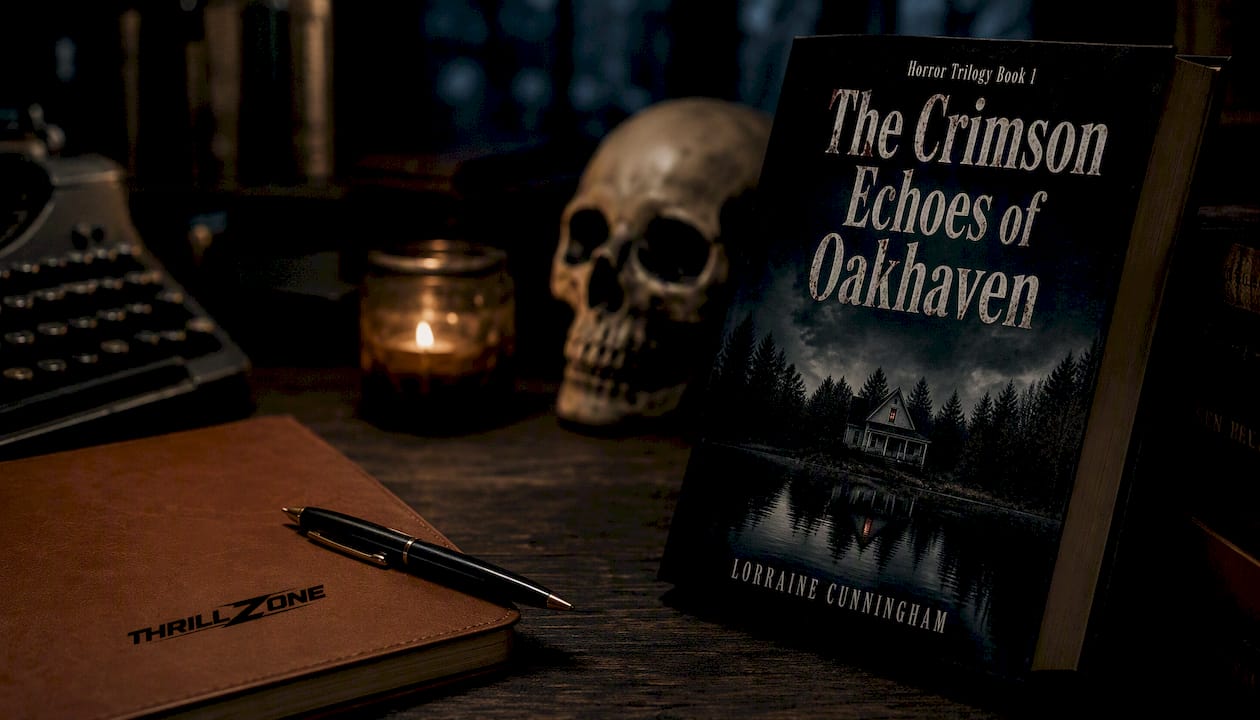
A common frustration with vampire fiction is starting a book and discovering it is volume one of a long sequence, or the reverse, buying a late entry. Some vampire novels are built to stand alone, while others anchor larger sagas. Rather than guess, check the book’s own listing page for series numbering before you buy. Our own listings show this in the title where it applies, as with The Crimson Echoes Of Oakhaven (Book 1).
A practical habit: if the title or cover mentions a book number, assume there is more to read, and use the sample chapter to judge whether you want to commit to the whole run.
How to preview a vampire ebook before you buy
Sampling is the cheapest way to avoid a bad match. A few routes that work:
- Read the store’s preview chapter. On our site, exclusive chapters let you test the voice and pacing before checkout.
- Look for author freebies. Some authors give away opening chapters. For example, Jade Christy offers a free collection called Blood & Obsession with first chapters from her vampire romance and romantasy series. It is a good way to see whether you lean toward romance or horror in your own taste.
- Read the first three pages in your head as if you were deciding for a friend. If the prose fatigues you in three pages, it will in three hundred.
- Check content warnings on the book’s listing before you read, especially for violence or abuse themes in books like A Dowry of Blood and House of Hunger.
If you also like shorter formats, our guide to short horror story ebooks is a low-commitment way to test an author’s style.
Find your next vampire read with us
We sell digital horror, thriller and suspense ebooks only, which keeps the catalog focused on the genres you came for. Start in the Horror collection if you want monsters, curses and dread, or the Thriller collection if you prefer chase-and-conspiracy pacing. Open a preview chapter first, then buy the ebook that earns it. You can also see everything on the main ebook store.
Pairing vampire books with other horror
Vampire novels sit comfortably next to other kinds of horror, and sometimes the neighboring subgenre is the better fit.
- If you loved ‘Salem’s Lot, our guide to books like Stephen King for psychological horror fans lists similar small-town and psychological reads.
- If the gothic mood is what you want, the gothic mystery novels for haunted house fans collection offers old houses and long-buried secrets.
- If the idea of a community with a hidden rot appeals, try folk horror books, which share the vampire story’s fear of the insider who is not what they seem.
As author Brian K. Vaughan argues in a passage cited by Spratford in the ALA readers’ advisory guide, smart, truthful horror helps readers make sense of a senseless world. Vampire fiction has done that for well over a century, from Victorian anxieties about outsiders to modern stories about exploitation and isolation.
FAQ
What is the best vampire horror book to start with?
For most readers, ‘Salem’s Lot is the easiest entry point: a clear premise, an accessible voice and a steady build of dread. If you prefer a modern city setting, try The Lesser Dead or Nestlings. If you want the roots of the genre, read Dracula.
Are vampire horror books scary or mostly romance?
Both exist, and the cover often will not tell you which you are getting. Books like ‘Salem’s Lot, Nestlings and I Am Legend aim for fear. Others, such as Vampire Weekend, lean toward warmth and character. Reading a sample chapter is the fastest way to tell.
Which vampire novels work well for book clubs?
The Southern Book Club’s Guide to Slaying Vampires is built around a book club, so it practically invites discussion. Nestlings and A Dowry of Blood also give groups plenty to debate, from paranoia in a building to the dynamics of control in a relationship.
Can I try a vampire ebook before I buy it?
Yes. Our store offers exclusive preview chapters on selected titles, so you can judge voice and pacing before checkout. Some authors also give away first chapters on their own sites.
Sources
- Vampire Horror | Robbins Library
- ‘Dracula’ brought vampires into the limelight, The Washington Post
- Stephen King, ‘Salem’s Lot
- Certain Dark Things, Silvia Moreno-Garcia
- Nestlings by Nat Cassidy, Goodreads
- Vampires are back, with a vengeance, BookPage
- MIRA Books announces two new titles from Mike Chen, Reactor
- The Readers’ Advisory Guide to Horror, ALA excerpt
- Join My Tribe & Get a Free eBook, Jade Christy