2026

Sample 6–7 Tales: Curated Creature Feature Ebooks with Previews

A creature feature ebook is a horror story driven by a nonhuman menace: a cryptid, a mutated organism, a deep-sea predator, something with teeth that isn’t us. Both ebooks and audiobooks serve this subgenre well, and most retailers let you sample a chapter before you commit. Scroll to the subgenre list below, or jump straight to a preview if you already know the kind of monster you’re after.


TL;DR:

  • Over 45-minute audiobooks and novella-length stories are ideal for testing narration style before committing to longer novels.
  • Sampling early pages or a narrator clip helps identify tone mismatches, especially for visceral or slow-burn creature stories.
  • Top themes like folklore suggestiveness work best with atmospheric, suggestion-driven stories rather than overt gore.
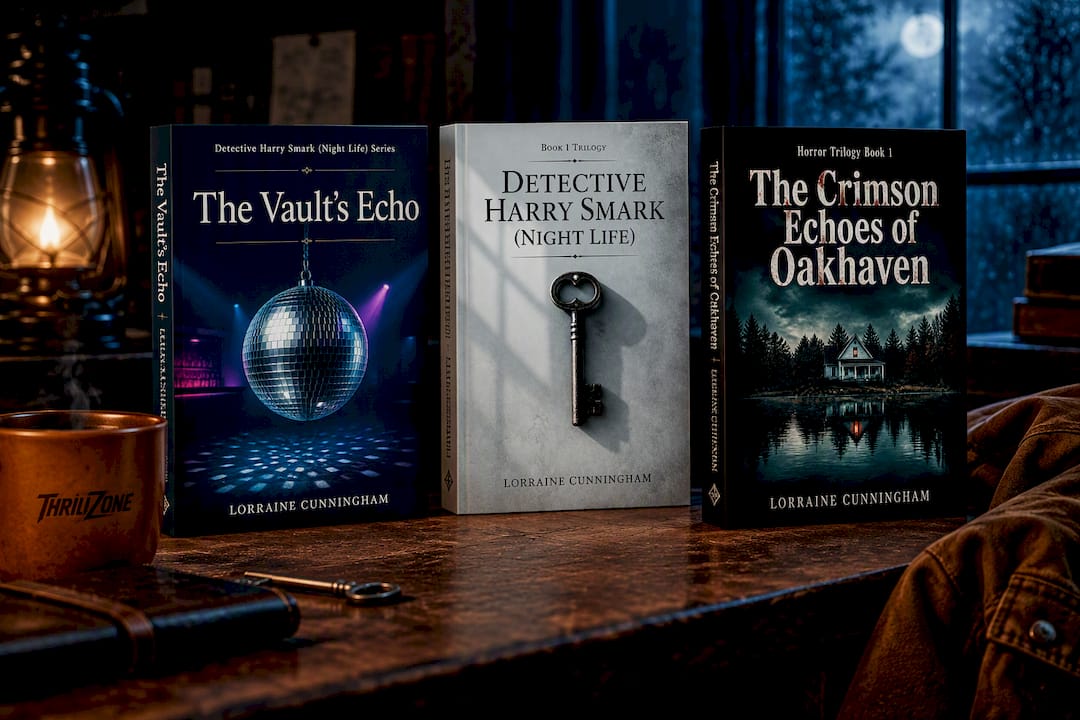
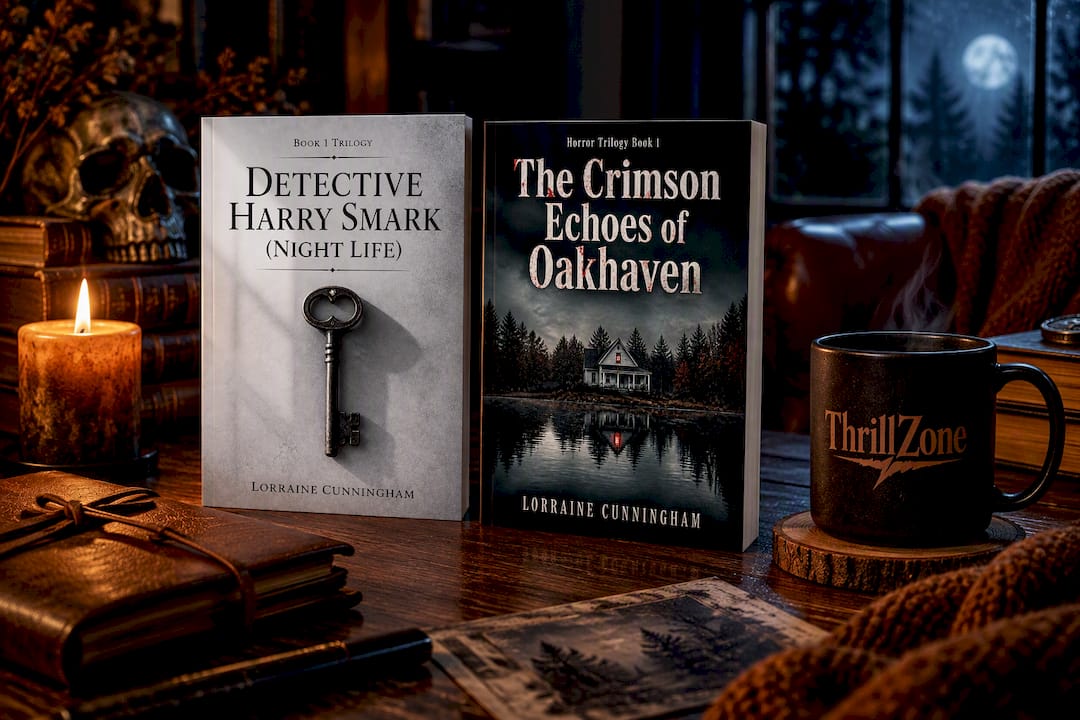
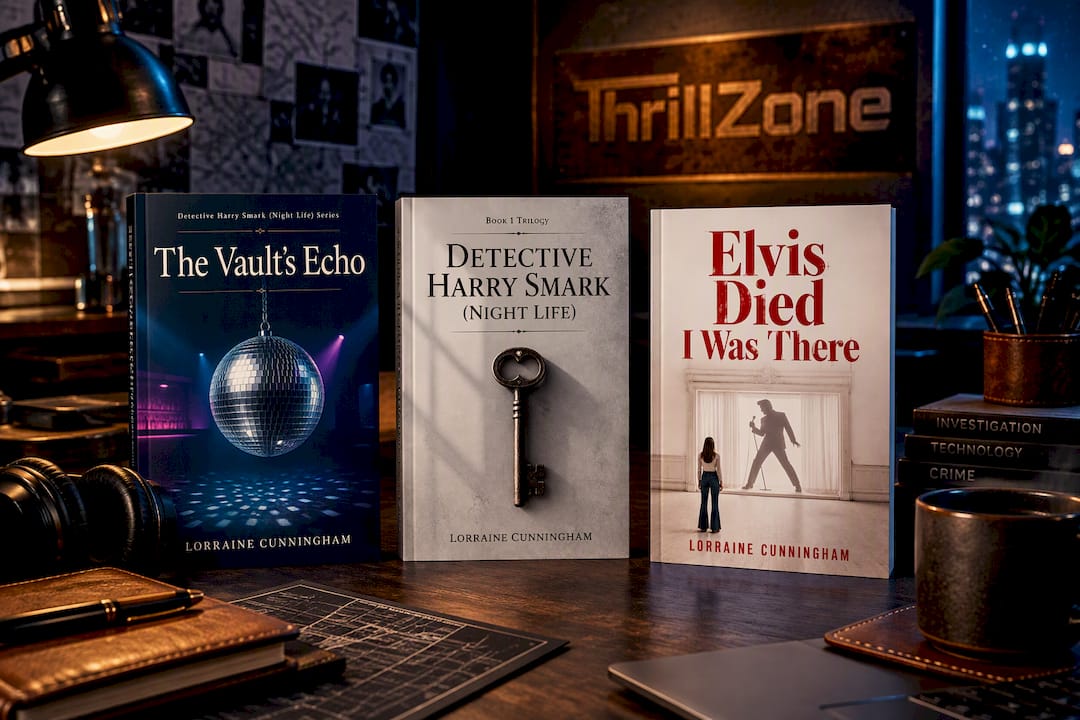
  • Popular titles such as The Crimson Echoes of Oakhaven and Detective Harry Smark exemplify gothic and investigative creature horror, respectively.
  • Checking blurbs for tone indicators and content notes ensures selection aligns with personal gore sensitivity and preferred atmosphere.

Thrillerhorrorsuspense
Preview Your Next Creature Feature
Browse horror, thriller, and suspense e-books, then explore exclusive chapters before choosing your next read.

Browse the collection

Table of Contents

1. The Best Creature Feature Ebooks by Subgenre

Creature features split into a handful of recognizable moods, and knowing which one you want saves you from buying the wrong kind of scared. A creature feature centers a nonhuman antagonist as the driving menace, a definition that book lists and anthologies have borrowed wholesale from film criticism. Here’s how the major strands break down, with picks for each.

Cryptid horror leans on folklore and the unknown: something half-glimpsed in the woods or the water that may or may not be real. These stories trade jump scares for dread and slow reveals.

  • Best for: readers who want atmosphere over gore. Formats: ebook, audiobook, widely available through library apps. Standout trait: the monster is rarely fully seen, which keeps tension high through suggestion rather than description.

Deep-sea and nautical horror isolates characters at sea or underwater, where rescue is impossible and the water itself becomes a character.

  • Best for: claustrophobia fans and readers who liked Jaws-style tension. Formats: ebook and audiobook, often novella length. Standout trait: the setting removes escape routes entirely, so every decision carries weight.

Survival and isolation horror strands a small group with a creature and strips away outside help, forcing the plot into pure endurance.

  • Best for: readers who want character pressure alongside the scares. Formats: ebook, audiobook. Standout trait: the creature matters less than how people fracture under it.

Body horror turns the threat inward: infection, mutation, transformation. It’s the most visceral strand and the one most likely to need a content warning.

  • Best for: readers who can handle graphic description. Formats: ebook, audiobook. Standout trait: the horror comes from loss of control over one’s own body, not an external chase.

Classic retellings rework older creature myths (werewolves, kaiju, sea monsters) with contemporary voice and pacing.

  • Best for: readers nostalgic for monster-movie staples who want sharper prose. Formats: ebook, audiobook. Standout trait: familiar monster, new angle, often with more wit than the originals had room for.

Anthologies collect short creature stories from multiple authors, useful for sampling several tones in one purchase. Anthologies built around the creature feature label commonly run six to seven stories, which makes them an efficient way to figure out which monster type you actually like.

  • Best for: readers who aren’t sure what they want yet. Formats: ebook, audiobook, often sold individually by story. Standout trait: low commitment per story, high variety per collection.

Editorial lists like Book Riot’s creature feature roundup show how wide this range actually is, pairing visceral survival tales with lighter, almost playful monster romps in the same list. That range is the point: “creature feature” isn’t one tone, it’s a structure, and the tone is yours to pick.

Three titles worth noting for readers building a cryptid-and-gothic shelf:

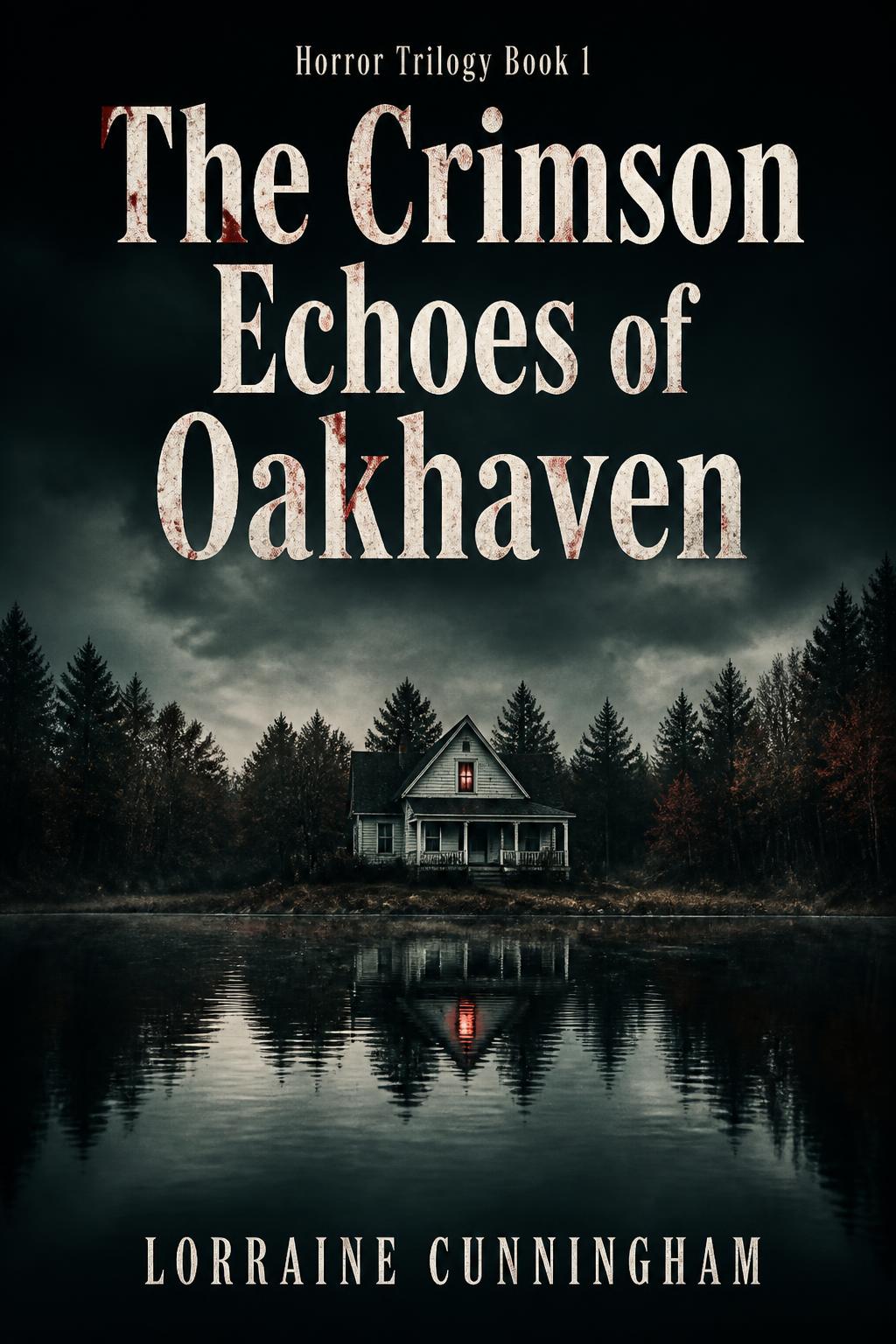
  • The Crimson Echoes of Oakhaven (Book 1) fits the gothic retelling strand, with an atmosphere-first approach that favors slow dread over quick scares. Its format and preview are available through its product page.
  • Detective Harry Smark (The Vault’s Echo, Book 2) sits closer to survival and isolation horror, built around a investigator thriller framework where the creature element escalates the stakes. You can sample it on its product page.
  • The Whispering Veil of Oakhaven (Series Book 2) continues the gothic cryptid thread, leaning on folklore-style suggestion rather than direct confrontation. Find it on its product page.

Reader-tagged shelves back up these groupings: the creature horror shelf on Goodreads shows cryptid, deep-sea, and survival-isolation as the three most consistently tagged clusters, often overlapping with body horror or folklore themes within a single book.

2. Ebook vs. Audiobook: Formats and Where to Sample

Format changes the experience more than genre fans sometimes admit. A page you can skim past, a narrator forces you to sit with.

Length varies by format and category. Many short stories and novellas run roughly 45 minutes to 2 hours in audiobook form, which makes anthologies a low-risk way to test narration styles before committing to a full novel. Full-length novels run considerably longer, often several hours, so sampling matters more before that purchase.

Where to sample:

  • Library apps (such as Libby or hoopla) often carry audiobook samples and full ebook previews at no cost.
  • Retailer preview tools let you read the opening chapter before buying, standard across most ebook stores.
  • Niche horror and thriller stores, including specialty catalogs, sometimes offer exclusive chapter previews beyond the standard retailer sample.

One figure worth knowing: anthology collections built around the creature feature concept typically include 6 to 7 stories each, meaning a single purchase can cover several tones and monster types at once.

Narrator tone matters more in this genre than most. A flat, clinical delivery can undercut a body horror scene, while the right pacing turns a quiet gothic passage genuinely unsettling. Sample the narration specifically, not just the story, before buying the audiobook version.

3. How to Choose the Right Creature Feature Ebook

The fastest way to pick well is a short, repeatable scan rather than a blind buy.

  1. Search by subgenre keyword, not just “horror”: try “cryptid,” “body horror,” “nautical horror,” or “gothic monster” to narrow tone before you even open a sample.
  2. Check the blurb for tone indicators. Words like “atmospheric” or “slow-burn” suggest suggestion over gore; “visceral” or “graphic” signal body horror intensity.
  3. Scan the first 10 pages or listen to the first 10 minutes. Note whether the voice, pacing, and sensory detail match what you came for. This preview-scan approach is a reliable way to catch mismatched tone before you’ve spent money.
  4. Watch for red flags: thin characterization propping up constant action, or a monster description that never actually clarifies what you’re supposed to be afraid of.
  5. Watch for positive signs: strong atmosphere established early, sensory detail that builds rather than repeats, and pacing that varies between dread and release.
  6. Check content notes if gore sensitivity matters. Readers avoiding graphic material should favor listings tagged “gothic” or “atmospheric” and skip anything flagged “body horror” or “gruesome” in its own description.

Pro Tip: Before buying a creature feature audiobook, listen to a 60-second narrator clip specifically during a tense scene, not the opening description, since that’s where mismatched tone shows up fastest.

4. How Our Catalog Fits the Creature Feature Shelf
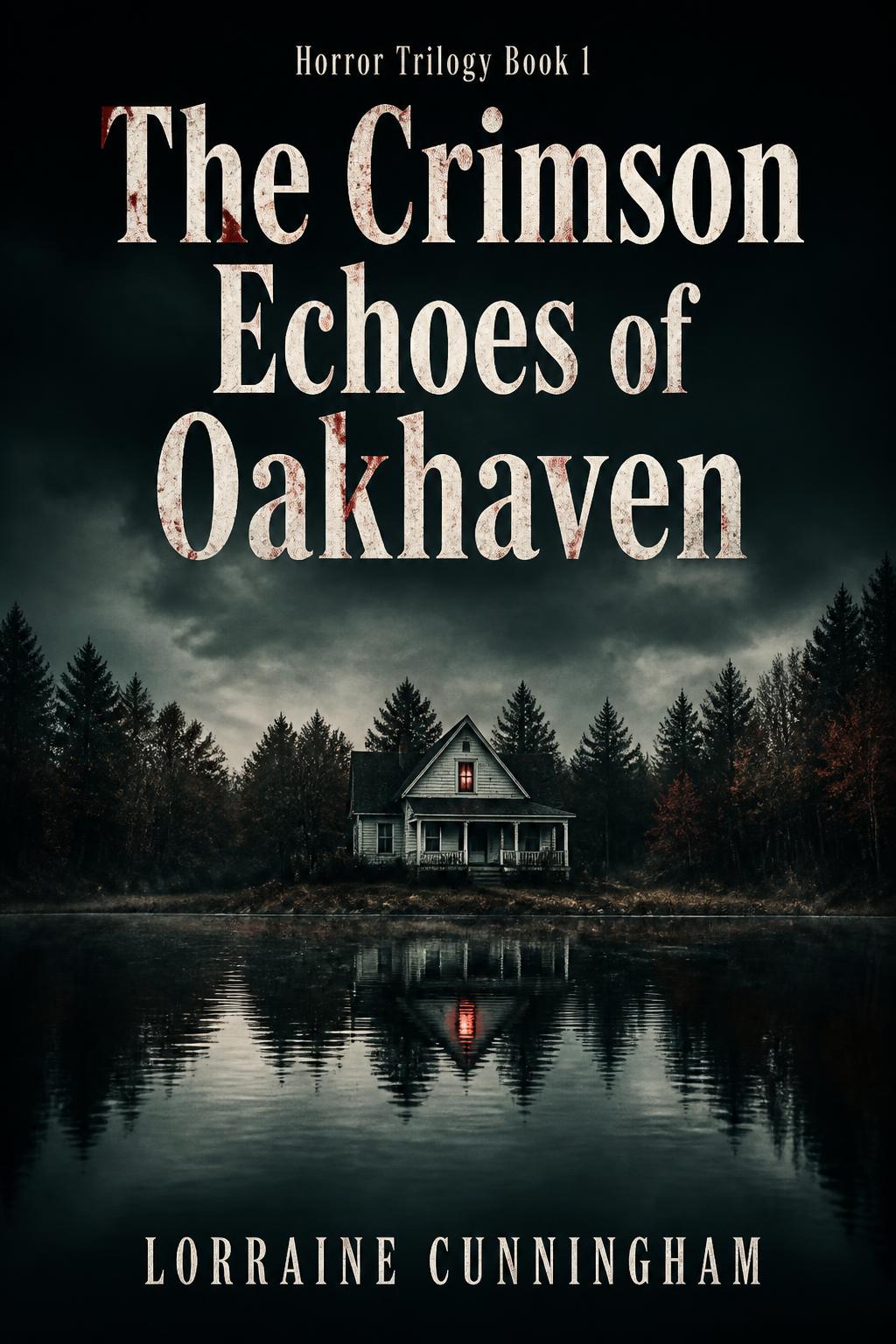
The Crimson Echoes Of Oakhaven (Book 1)

We built our catalog around one specific frustration: buying a horror ebook that doesn’t match the tone promised on the cover. Our collection includes preview chapters, allowing you to sample the voice and pacing before paying for the full book.

Within our current lineup, three titles sit squarely in creature feature territory:

  • The Crimson Echoes of Oakhaven (Book 1) opens the Oakhaven gothic thread with slow-building dread around an unseen presence.
  • Detective Harry Smark (The Vault’s Echo, Book 2) blends investigative thriller pacing with an escalating nonhuman threat.
  • The Whispering Veil of Oakhaven (Series Book 2) continues the series’ folklore-driven suggestion-over-shock approach.

Browsing is organized by genre category, so readers moving between our horror and thriller collections can cross-reference tone without starting a new search each time.

5. A Brief History of the Creature Feature in Fiction

The creature feature has roots deeper than its film-era name suggests. Sea monster tales and folklore beasts predate the novel form itself, but the structure sharpened in the 20th century as pulp magazines and paperback horror leaned into a single, identifiable monster as the engine of plot. Film borrowed and then fed back into the literary version: giant-creature movies of the mid-1900s popularized the “nonhuman menace drives the plot” formula that book lists later adopted wholesale.

By the late 20th century, novels like Jaws and Jurassic Park cemented the creature feature as a commercial category in its own right, not just a horror subtype. Readers wanted monsters that felt plausible within a scientific or natural framework, not purely supernatural ones.

More recently, the subgenre has folded in body horror and gothic atmosphere rather than relying purely on a chase structure. Modern entries increasingly treat the creature as a vehicle for theme (infection, isolation, grief) rather than spectacle alone, a shift that keeps the subgenre from feeling dated even as its monster-movie roots show.

6. Themes and Motifs That Define Creature Feature Stories

Most creature features return to a small set of themes, which is part of why the subgenre feels cohesive across cryptid, deep-sea, and body horror strands alike.
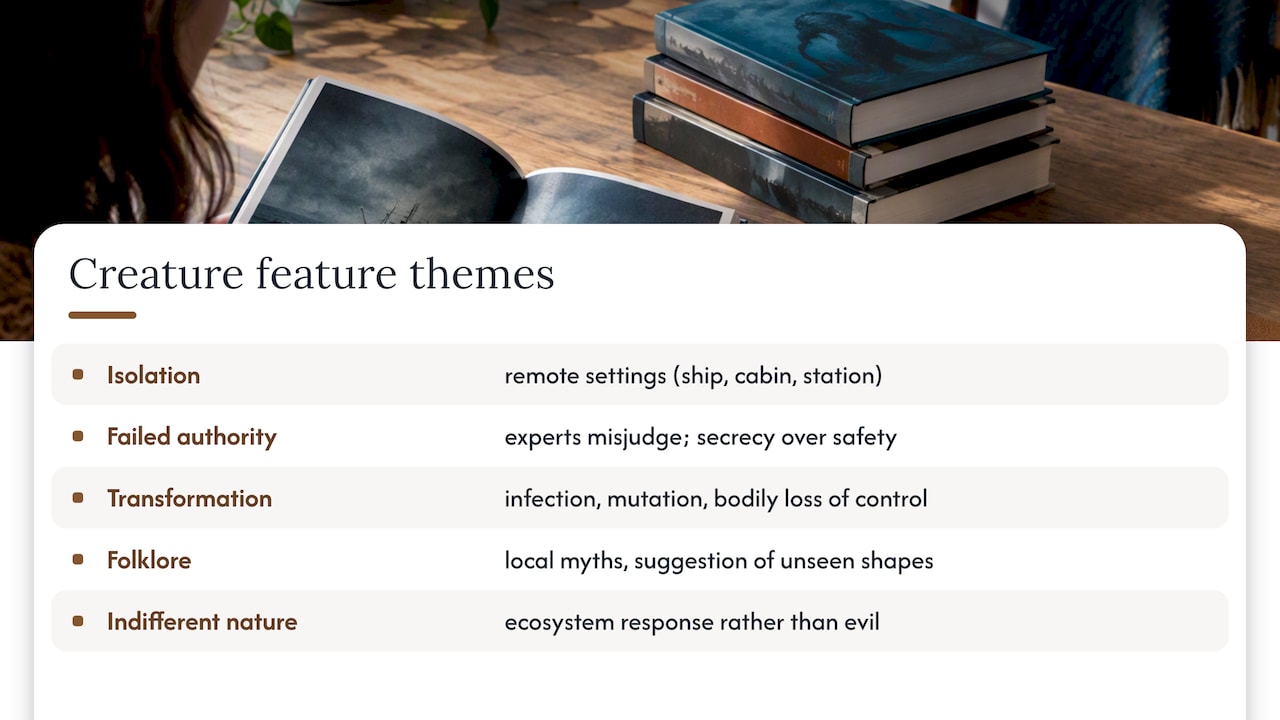
Six recurring creature feature story themes

Isolation appears constantly: a ship, a cabin, a research station, somewhere help can’t reach in time. The creature exploits that distance as much as it exploits physical strength.

The failure of authority or science runs through many landmark entries: experts who misjudge the threat, institutions that prioritize secrecy over safety, technology that creates the monster rather than contains it.

Transformation and bodily loss of control dominate the body horror strand specifically: infection, mutation, and the fear of becoming something else rather than being attacked by it.

Folklore and the unknown power cryptid stories, where the horror lives in suggestion: a shape in the trees, a story the locals won’t finish telling you.

Nature as indifferent, not evil, is a quieter but recurring motif. Many creature features resist painting the monster as pure malice, framing it instead as an ecosystem responding to disruption, which adds moral complexity that pure monster-chase plots skip.

7. Notable Authors and Landmark Works in the Genre

Certain works set the template that later creature features still follow. Jaws established the “ordinary setting, extraordinary predator” structure that countless nautical horror novels still use. Jurassic Park shifted the formula toward science-gone-wrong, pairing spectacle with institutional failure as a theme.

More recent entries continue to stretch the subgenre’s boundaries. T. Kingfisher’s Wolf Worm, a 288-page 2025 release, blends visceral horror with wit, showing how the genre has moved toward tonal mixing rather than staying purely grim. Reader-tagged shelves on Goodreads list staples like Jaws and Jurassic Park alongside newer cryptid and deep-sea entries, which gives a useful snapshot of what readers consistently return to when they search this subgenre by name.

These landmark works matter less as a canon to complete and more as reference points: if a blurb says “in the vein of Jaws,” you know roughly what pacing and stakes to expect before you read a word.

8. How to Judge Writing Quality in a Creature Feature

Monster concept alone doesn’t make a good creature feature; execution does. A few things separate a strong entry from a forgettable one.

Pacing should vary between dread-building and release. A story that stays at one intensity level the whole way through, whether constant action or constant slow-burn, tends to flatten regardless of how good the monster concept is.

Sensory detail carries more weight in this subgenre than plot twists do. The best creature features make you feel the cold water, the damp cave air, or the wrongness of a half-seen shape, rather than just describing a monster’s attributes.

Character development matters even when the monster is the main draw. Stories where people crack under pressure in believable ways tend to outlast ones that treat characters as pure monster bait.

Voice shows up fastest in a preview scan. If the opening pages feel flat or overly expository, that tends to carry through the rest of the book.

Checking these four elements during a 10-page or 10-minute sample, rather than judging by premise alone, is the most reliable way to predict whether a full purchase will hold up.

Why Creature Features Still Work

Creature features endure because they tap something older than modern horror conventions: the fear of an intelligence or appetite we can’t reason with. A ghost story negotiates with guilt and memory; a creature feature negotiates with nothing. That’s the appeal.

My own reading ritual is simple: sample the first chapter at night, with the lights low enough to notice if the atmosphere actually lands. If a story earns a second chapter in that setting, it’s usually worth the full read.

— lorraine

Find Your Next Creature Feature in Our Catalog

We built our catalog specifically for readers who’ve been burned by a cover that promised dread and delivered filler. Many titles come with a preview chapter, so you can check the voice and pacing against what you actually want before paying for the rest of the book.
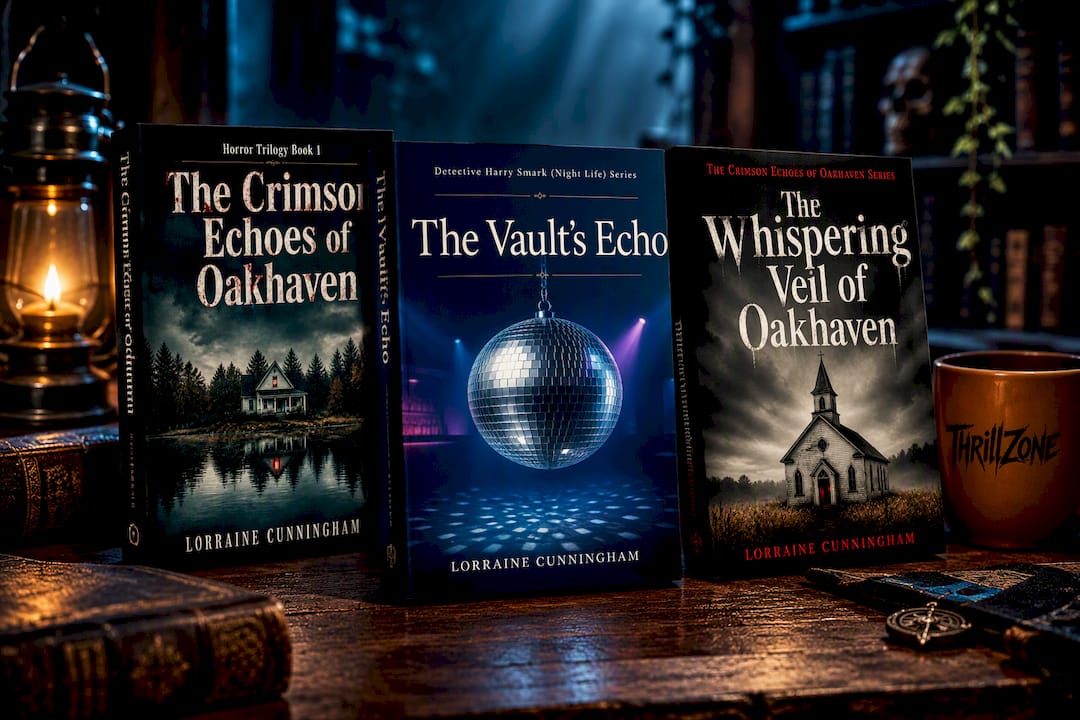
The Crimson Echoes Of Oakhaven (Book 1)

Three titles ready to sample right now:

Browse the full E-BOOKS catalog, or head straight to our horror and thriller collections to sample a chapter and check out when you find the one that fits.

FAQ

What exactly makes a story a “creature feature”?

A creature feature is a horror or thriller story where a nonhuman antagonist, such as a cryptid, mutated organism, or sea predator, drives the central conflict. The term originated in film criticism and has since been widely adopted by book lists and anthologies to describe the same structure in fiction.

Are creature feature stories better as ebooks or audiobooks?

Both formats work well, and the choice depends on preference: audiobooks add narrator-driven atmosphere that can intensify tense scenes, while ebooks let you control pacing and skim past especially graphic passages. Many short stories and novellas run about 45 minutes to 2 hours in audio, making them a low-risk way to test the format before committing to a full novel.

How do I avoid buying a creature feature that’s too graphic for me?

Scan the blurb for tone words: “atmospheric” and “gothic” tend to signal suggestion over gore, while “visceral” or “graphic” point toward body horror intensity. Reader-tagged shelves can also help you gauge a title’s intensity before buying.

Where can I preview a creature feature ebook before buying?

Library apps, retailer preview tools, and niche ebook stores all commonly offer sample chapters at no cost. Catalog titles include preview chapters, such as The Crimson Echoes of Oakhaven, so you can check tone and pacing before you purchase.

What are some well-known creature feature books to start with?

Landmark entries like Jaws and Jurassic Park established the genre’s modern template and remain common starting points. Reader shelves on Goodreads also highlight newer cryptid and deep-sea titles for readers who want something more current.

Sources

6 Scene Level Differences Between Suspense and Thriller for Writers

Suspense centers on drawn-out psychological tension and an internal or ambient threat, while a thriller centers on immediate, external danger and fast-paced escalation toward a confrontation. Suspense asks you to wait and wonder; a thriller asks you to run. The two overlap constantly, and plenty of strong stories hybridize both modes in a single plot.


TL;DR:

  • Suspense relies on internal, ambiguous threats and slow pacing, with scenes often featuring quiet, introspective moments that heighten dread.
  • Thrillers focus on external, concrete dangers, paced quickly with active characters engaging in chases, shootouts, or countdowns.
  • Suspense escalates by removing certainty and safety, while thrillers increase stakes through additions, obstacles, and time pressure.
  • To master suspense, writers should limit perspective, use sensory details, and end scenes on unanswered questions, unlike thrillers which build momentum with quick, action-driven scenes.
  • Selecting and studying genre-specific opening chapters helps distinguish suspense from thrillers through pacing, threat type, and scene structure before making a purchase.

Thrillerhorrorsuspense
Study Suspense In Action
Explore digital horror, thriller, and suspense e-books with exclusive chapters to preview before choosing your next read.

Browse thriller titles

Table of Contents

What suspense and thriller actually mean

Writers often use these words as if they mean the same thing, but they describe different jobs a story does for the reader. Suspense is a mode, a technique you can apply inside almost any genre: a literary novel, a courtroom drama, even a romance can build suspense. Thriller, by contrast, behaves more like a market category, a genre with its own shelf, its own reader expectations, and its own pacing conventions.

Suspense works by withholding resolution. You know (or suspect) something bad is coming, but the story slows down the reveal, letting dread accumulate. The threat is often internal: a character’s guilt, a secret that could unravel a marriage, a sound in the house that might be nothing. According to Wikipedia’s entry on thriller film, suspense-building techniques work by delaying what the audience already expects to happen, which is precisely why a suspense scene can stretch a few seconds of real time into pages of prose.

A thriller, on the other hand, is built around external, often life-threatening danger and moves through action, chases, and cover-ups rather than quiet dread. The same source notes that thriller film is a broad genre defined less by a fixed set of images than by an excess of movement and speed. That breadth matters for writers: calling something a thriller signals a reading experience, adrenaline, stakes that escalate quickly, and a resolution that usually arrives through confrontation rather than realization.

The distinction gets blurrier the closer you look, and scholars acknowledge it. Suspense thriller, per Wikipedia, is a term used variably across criticism precisely because thrillers so often borrow suspense techniques, and suspense stories often escalate into thriller territory by their climax.

A few working distinctions worth keeping in mind as you draft or classify a manuscript:

  • Suspense lives in the gap between what the reader knows and what will happen next, and it tends to slow pace down rather than speed it up.
  • Thriller lives in the gap between danger and safety, and it tends to compress time, not stretch it.
  • Suspense can appear inside a thriller, a mystery, a horror novel, or literary fiction without changing the book’s genre label.
  • Thriller, as a genre, usually promises a protagonist actively working against a clock, an adversary, or both.

Neither definition is a cage. A novel can open in suspense mode, slow-burn and ambiguous, then shift into full thriller gear once the threat becomes concrete and the chase begins.

Suspense versus thriller across the dimensions that matter

Definitions only get you so far. What actually changes, scene to scene, when you write toward suspense instead of toward thriller? Six dimensions do most of the work.

Six suspense and thriller scene differences

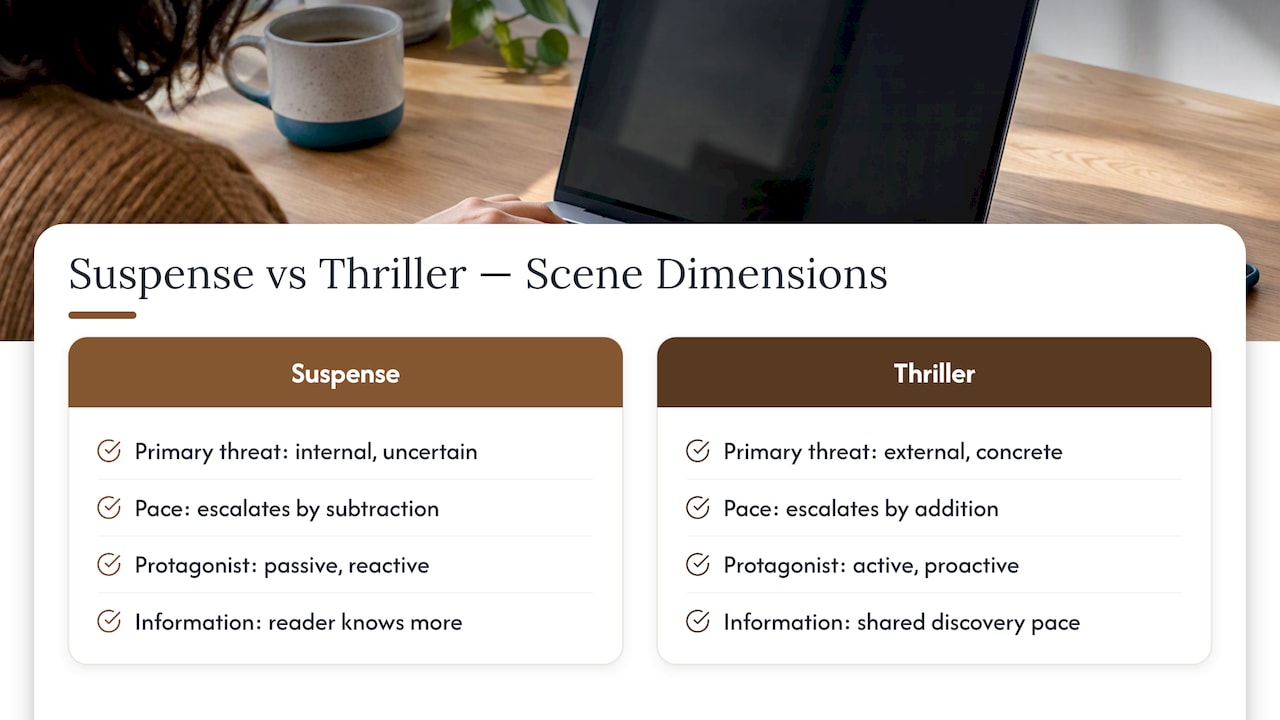
Primary threat. Suspense threats are often internal, ambient, or uncertain: a stalker you can’t confirm exists, a diagnosis you’re afraid to get, a memory you don’t trust. Thriller threats are usually external and concrete: a bomb, a kidnapper, a conspiracy with a deadline.

Pace and escalation. Suspense escalates by subtraction, removing certainty, removing safety, removing the reader’s ability to predict what’s next. Thrillers escalate by addition, raising stakes, adding obstacles, shortening the time the protagonist has left to act.

Typical protagonist type. Suspense protagonists are frequently passive or reactive at first: an observer, a potential victim, someone piecing together a puzzle. Thriller protagonists tend to be active from early on: investigators, operatives, ordinary people forced into high-stakes decisions under time pressure.

Information control. Suspense often uses dramatic irony: the reader knows more than the character, and that gap creates dread (“don’t go in there”). Thrillers more often keep the reader and protagonist on equal footing, racing to uncover the same information at the same time.

Stakes and resolution. Suspense can resolve ambiguously, psychologically, or even unsettlingly, since the point was the tension itself. Thrillers almost always resolve through a concrete confrontation: the bomb is defused, the villain is caught or killed, the clock runs out or doesn’t.

Typical scenes or set pieces. Suspense favors quiet set pieces: a character alone in a house, a slow walk down a hallway, a phone that won’t stop ringing. Thrillers favor kinetic set pieces: chases, shootouts, countdowns, double-crosses in public places.

Here’s the same moment written two ways. Suspense version: She heard the floorboard creak upstairs, the one that only ever creaked when someone stepped on it just right. She didn’t move. She counted her own breaths instead. Thriller version: The floorboard creaked and she was already moving, phone in one hand, kitchen knife in the other, counting the seconds it would take him to reach the stairs.

Pro Tip: At the outline stage, decide what the scene is for: if it exists to make the reader dread an outcome, write it in suspense mode; if it exists to make the reader chase an outcome, write it in thriller mode.

How to write suspense: techniques, scene recipes, and exercises

Suspense is built sentence by sentence as much as plot point by plot point. The craft lives in restraint.

  1. Choose a tight, selective point of view. Limiting the reader to one character’s perception, and withholding what that character can’t see or confirm, is the single most reliable suspense engine.
  2. Lean on sensory detail over explanation. A sound, a smell, a shift in light does more work than a character thinking “I felt afraid.”
  3. Slow the beat down at the moment of highest tension. Break a single action, a hand reaching for a doorknob, into several sentences instead of one.
  4. Give the character interior stakes, not just external ones. A character protecting a secret, not just a life, raises the psychological cost of every scene.
  5. End scenes or chapters on an unanswered question rather than an answer. A ringing phone nobody picks up, a name half-heard, a door left ajar.

At the paragraph level, suspense often uses shorter sentences as tension peaks and longer, more meandering ones when a character is stalling, avoiding, or dissociating from fear. Varying that rhythm on purpose, rather than defaulting to short, punchy lines throughout, keeps a slow-burn scene from going flat.

Two exercises worth running, alone or in a workshop:

Exercise one. Take a mundane action, making tea, locking a door, checking the mail, and write it in 200 words using only sensory detail and interior doubt, no plot explanation allowed. Notice how much tension you can generate without anything “happening.”

Exercise two. Write a scene where the reader knows a character is in danger but the character does not. Write it entirely from the unaware character’s point of view. Then write the same scene in 100 fewer words, cutting only explanation, never sensory detail.

Pro Tip: If a suspense scene isn’t working, check whether you’ve accidentally revealed too much: the reader needs just enough information to worry, not enough to be certain.

How to write a thriller: plotting patterns and sustaining momentum

Thrillers are built at the structural level first, then tightened at the scene level. Momentum is the whole job.

A ticking-clock device, a deadline, a countdown, a closing window of opportunity, gives a thriller its forward pull and justifies why characters can’t simply slow down and think things through. Most thrillers map to familiar escalation markers: an inciting threat established early, a midpoint reversal that raises the cost of failure, and a final confrontation that forces the protagonist to act without full information. Within that shape, common beats include a false victory partway through, a betrayal or double-cross that reframes earlier scenes, and a climax where the protagonist’s choice, not luck, determines the outcome.

  1. Open with danger already in motion, not with setup; thrillers rarely afford a slow first chapter.
  2. Plant the ticking clock early so every scene afterward has a reason to move fast.
  3. Alternate points of view between protagonist and antagonist (or between allies in different locations) to let the reader see the trap closing from both sides.
  4. Build set pieces as mini-climaxes, each with its own clear goal, obstacle, and outcome, rather than letting action scenes blur together.
  5. End chapters mid-motion, not at a natural stopping point, so the reader has to keep turning pages.
  6. Resolve the external threat concretely in the climax rather than leaving its outcome ambiguous.

When planning transitions between set pieces, keep travel time, recovery time, and exposition to a minimum; thrillers lose momentum fastest in the connective tissue between action scenes, not within the action scenes themselves.

A quick checklist for whether a scene is thriller-ready: the danger is external and specific, the character knows (roughly) what they’re up against, and the scene changes the protagonist’s position, closer to safety, closer to danger, or closer to the truth, by its final line. If a scene passes none of those three tests, it likely belongs in a suspense draft instead.

Annotated examples: what to study and why

Studying specific scenes, not just genre labels, is the fastest way to internalize the difference.

  • Psycho (suspense-leaning): Alfred Hitchcock is widely referenced as the archetypal “Master of Suspense,” and the shower sequence is a textbook case of withholding information and exploiting an ordinary setting to build dread, according to critical discussion referenced in Wikipedia’s thriller film overview. Study how little violence is actually shown versus implied.
  • Rear Window (suspense-leaning): built almost entirely on restricted point of view, the protagonist, and by extension the viewer, can only see what a window frame allows. Study the use of limited perspective as a suspense engine.
  • Several films that regularly appear on critical rankings of suspense and thriller genres, as in Collider’s list of the most suspenseful movies, are useful for studying pacing and the strategic use of silence in a scene’s final stretch.
  • The Bourne Identity (thriller-leaning): a protagonist with incomplete memory, an active external threat, and set pieces built around chases and tight timeframes. Study how backstory is doled out only when it serves the next action beat.
  • Elvis Died I Was There, available through our own catalog, is an original title built around a propulsive narrative hook delivered through a first-person account. Study how an unusual premise is used to sustain reader curiosity from the opening pages.
  • Martha’s Tide approaches tension through an atmospheric, character-driven setup. Study how a slower opening earns the stakes that follow.

How reader expectations shape genre choice

Genre is, in part, a promise. Readers who pick up a thriller expect adrenaline and a resolution to an external threat; readers who pick up a book marketed as suspense expect sustained psychological uncertainty, and they’re more tolerant of an ambiguous or unsettling ending because that was part of the appeal. Writing coaches sometimes describe this as the reader’s obligation: once you signal a genre through cover copy, pacing, and opening chapters, you’ve made an implicit agreement with the reader about what kind of payoff is coming.

Break that agreement and reader satisfaction drops even when the writing itself is strong. A slow-burn, ambiguous ending can feel like a betrayal in a book marketed as a pulse-pounding thriller, while a tidy, fully resolved ending can feel like a letdown in a book marketed as psychological suspense. Deciding early which promise your project makes, adrenaline and resolution, or dread and ambiguity, should shape everything from your opening line to your query letter. It’s also a useful filter for readers: if you want certainty by the last page, lean toward thrillers; if you enjoy sitting with unresolved tension, suspense delivers that more consistently.

Where these genres came from

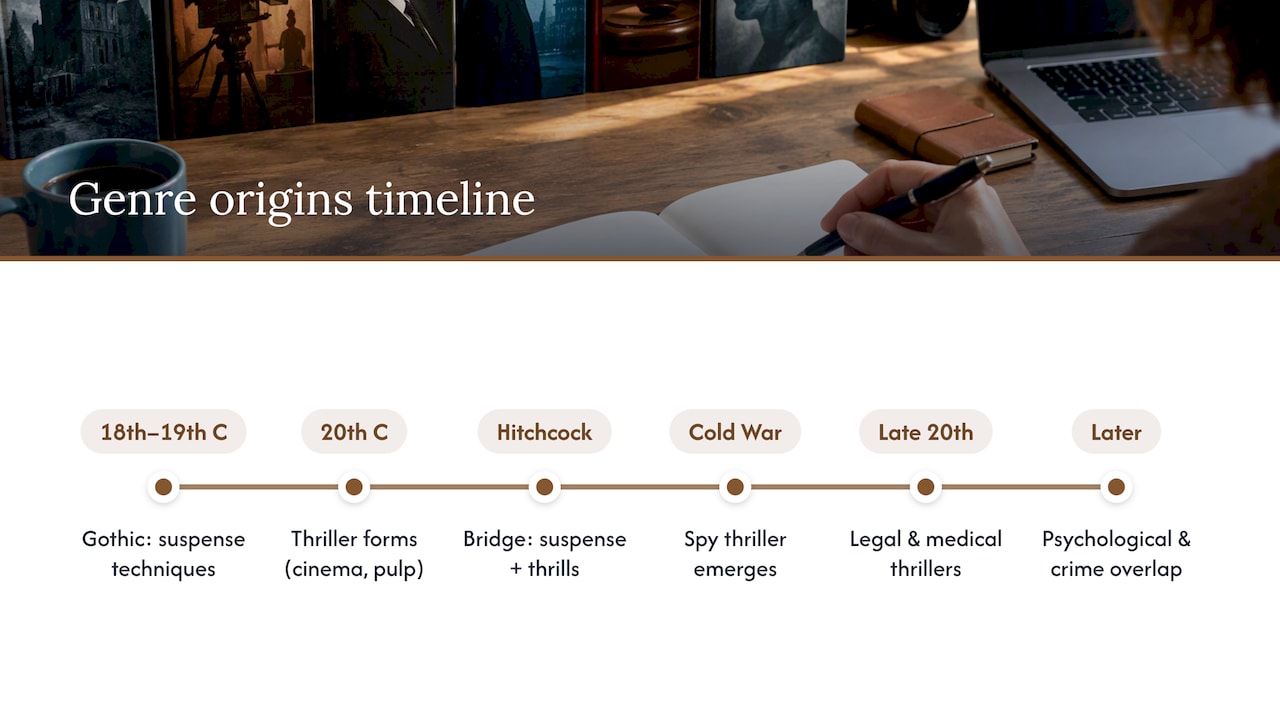
Suspense as a literary technique predates any genre label. Gothic fiction in the eighteenth and nineteenth centuries relied heavily on withheld information, locked rooms, unreliable narrators, and ambient dread, establishing techniques that suspense writers still use. The thriller, as a distinct commercial category, took shape more recently, growing alongside twentieth-century cinema and pulp fiction, where pacing, action, and external stakes were rewarded by serialized formats and, later, by film.

Alfred Hitchcock’s influence is often cited as a hinge point between the two traditions: his films blended literary suspense technique with the pacing and stakes of what would become the modern thriller, which is part of why “suspense thriller” persists as a hybrid term in criticism, as Wikipedia notes. Over the following decades, the thriller genre fractured into recognizable subgenres: the spy thriller during the Cold War, the legal and medical thriller in the late twentieth century, and the psychological thriller, which deliberately borrows suspense’s interior focus while keeping a thriller’s faster pace and external stakes. Crime suspense sits in a similar overlap zone, pairing a procedural thriller structure with suspense’s slower, dread-driven scenes.

Where these genres came from — overview diagram

How we curate titles and previews for readers and writers

The catalog specializes in digital horror, thriller, and suspense e-books, with titles chosen with genre craft in mind. Exclusive chapter previews let readers sample pacing and voice before buying, which matters more for suspense and thriller than almost any other genre, since both depend on a book’s opening pages to prove it can deliver the promise its cover makes.

For writers, this has a practical use beyond shopping: reading a preview chapter of certain books lets you study exactly where the author places information, how long a scene lingers before escalating, and how a first chapter sets reader expectations, all without committing to a full purchase first. Our curated genre collections, including the thriller collection, group titles so you can move between study texts quickly instead of hunting across a general bookstore.

Study your next title before you buy it

If you’re trying to feel the difference between suspense and thriller rather than just read about it, the fastest way is to sample a few opening chapters back to back. A preview feature allows you to read the first chapter free, feel how the pacing and threat type land, and decide if the book delivers the promise its genre label makes before you spend anything.

Thrillerhorrorsuspense

Our thriller collection is a good place to start if you want fast-paced, external-stakes reading, while a title like Martha’s Tide rewards readers who prefer a slower, suspense-driven build. Elvis Died I Was There is worth sampling for its distinctive narrative voice and the way it sustains curiosity from its opening pages. You can preview the first chapter of Elvis Died I Was There directly, or browse the full catalog of e-books to find your next read.

FAQ

What is the definition of suspense?

Suspense is a narrative technique built on withheld information and anticipated danger, where the reader knows or senses that something threatening may happen but doesn’t know when or how. It works by delaying resolution rather than by showing danger outright, and it can appear inside almost any genre, not just thrillers.

What are the five types of suspense?

Writers and critics commonly describe suspense as built from a handful of recurring techniques: dramatic irony (the reader knows more than the character), the ticking clock, mystery or withheld information, moral dilemma, and false security before a reveal. Definitions vary across sources, so treat this as a common working list rather than a fixed canon.

What are the different types of mystery books?

Mystery fiction commonly splits into subgenres such as the cozy mystery, the hardboiled or noir detective story, the police procedural, and the whodunit built around a puzzle-solving structure. Many of these overlap with suspense and thriller techniques, particularly procedurals, which often borrow a thriller’s pacing.

What are the 10 best suspense thriller movies?

Lists of the best suspense and thriller films vary by critic and publication, but critical rankings like Collider’s consistently highlight films praised for sustained tension, deliberate pacing, and strong set-piece construction. Rather than one fixed top ten, these lists are useful for identifying recurring techniques worth studying, like withheld information and the strategic use of silence.

Sources

8 Authors Like Gillian Flynn: Each With a Starter Book and Preview

If you love Gillian Flynn, start with Tana French, Megan Abbott, Paula Hawkins, Lisa Jewell, Alice Feeney, Ruth Ware, Flynn Berry, and Jessica Knoll. Each writer shares Flynn’s taste for dark domestic noir, unreliable narrators, and twist-driven plots that make you question everyone on the page. Keep reading for starter book picks and reading cues for each.


TL;DR:

  • Tana French offers slow-burn, atmospheric crime novels with unreliable narrators, ideal for readers who appreciate patience and character-driven storytelling.
  • Megan Abbott and Alice Feeney deliver faster-paced domestic thrillers with a focus on psychological tension, often featuring dark secrets in intimate spaces.
  • Lisa Jewell and Ruth Ware provide steady rising suspense with multiple perspectives and gothic-tinged themes, suitable for those preferring a gradual build-up.
  • Starting points include French’s The Likeness, Abbott’s Dare Me, Hawkins’ The Girl on the Train, and Jewell’s Then She Was Gone, which exemplify key themes and pacing styles.
  • For those sensitive to violence, Jewell and Ware tend to favor dread over explicit content, while French and Abbott explore more raw psychological distress.

Thrillerhorrorsuspense
Find Your Next Dark Read
Browse thriller, horror, and suspense e-books, with exclusive chapters to preview before you buy.

Browse the collection

Table of Contents

Curated shortlist: top authors similar to Gillian Flynn

Each of these writers earns a spot for a specific reason, not just a general resemblance to Flynn’s style. Britannica’s entry on Flynn describes her signature as a mix of Midwestern malaise and a cynical read on marriage and human evil, a frame that helps explain why these particular authors keep showing up in the same breath as her name.

  • Tana French: her Dublin Murder Squad novels trade Flynn’s suburban menace for atmospheric, slow-burn dread, with narrators whose grip on the truth slips as the case unravels, a quality Britannica’s profile of French ties to her character-driven approach to crime fiction.
  • Megan Abbott: her books turn domestic and adolescent spaces into pressure cookers, with female narrators whose ambition curdles into something darker.
  • Paula Hawkins: known for narrators who are unreliable because their perception is genuinely compromised, not just evasive, which creates the same unease Flynn builds in Gone Girl.
  • Lisa Jewell: she favors multiple perspectives and a creeping sense that a family’s public face hides something rotten underneath.
  • Alice Feeney: her twist-first plotting and close psychological focus on a single damaged narrator mirror the claustrophobic feel of Sharp Objects.
  • Ruth Ware: she leans into gothic-tinged suspense with narrators who are isolated, anxious, and often not fully trustworthy.
  • Flynn Berry: the New York Times review of Under the Harrow notes real similarities to Flynn’s work while crediting Berry with an original voice of her own.
  • Jessica Knoll: her narrators carry old trauma into present-day reckonings, pairing sharp social observation with a slow reveal of what really happened.

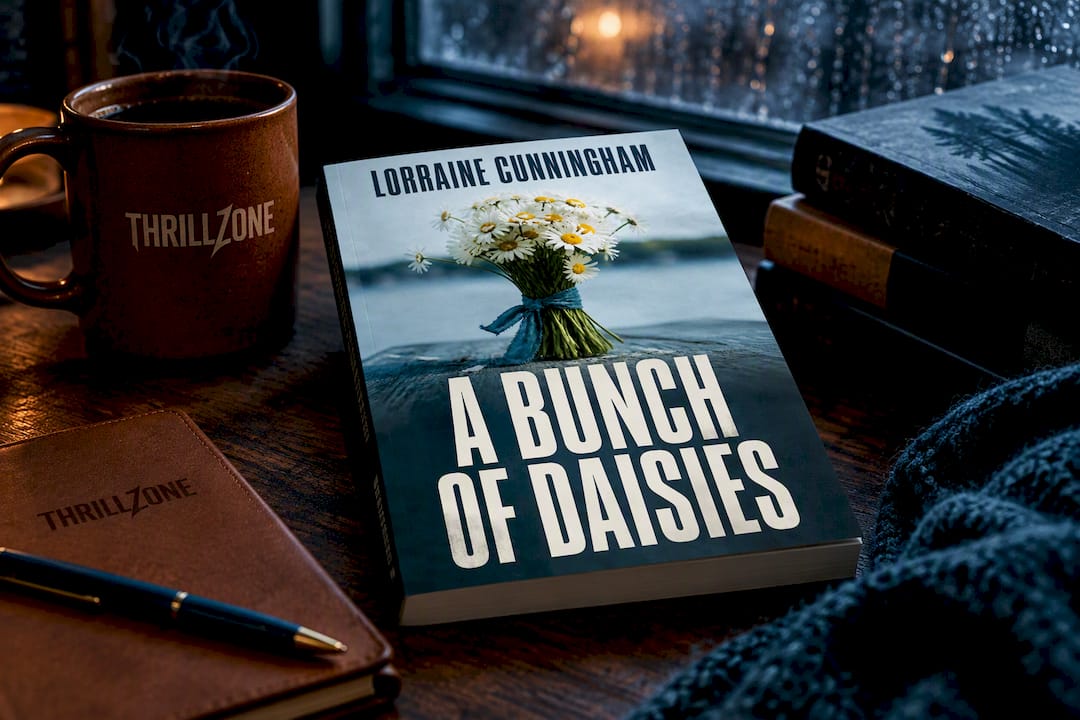
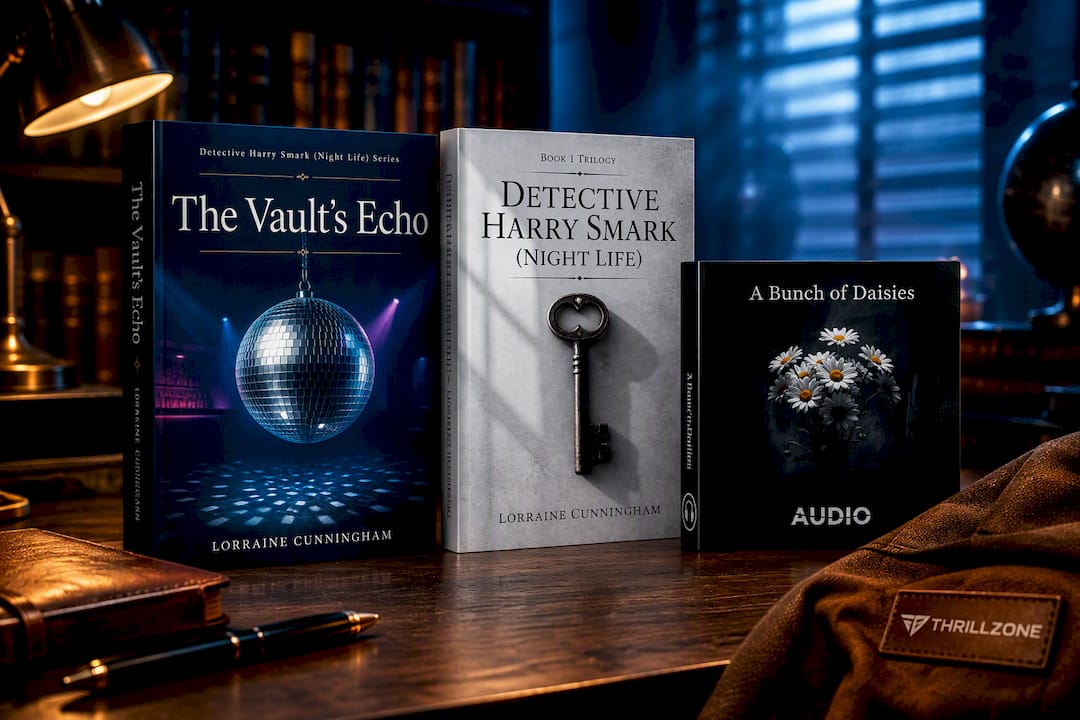
For readers who want a fresh title in this same vein, A Bunch of Daisies stands out in the thriller catalog as a featured pick for anyone drawn to the domestic-noir tone these authors share.

What makes these writers feel like Gillian Flynn

A few traits show up again and again across this shortlist, and knowing them helps you pick the right next read instead of guessing.

  1. Unreliable narrators: the person telling the story is hiding something, misremembering something, or flat out lying.
  2. Domestic noir: the horror lives inside marriages, families, and small towns rather than in a stranger’s basement.
  3. Moral ambiguity: no clean heroes, and the “victim” is often complicit in ways that surface slowly.
  4. Twist-first plotting: the structure is built around a reveal that recontextualizes everything before it.
  5. Close psychological focus: the camera rarely leaves one or two heads, which makes the paranoia feel personal.

Pacing and intensity vary a lot within this group. Prefer Tana French when you want an atmospheric, slow-burn read that rewards patience. Choose Megan Abbott or Alice Feeney for a faster, more propulsive sense of domestic menace. Ruth Ware and Lisa Jewell sit in between, with steady tension that builds toward a late payoff rather than an early gut punch.

Starter books to try from each author

Eight starter books arranged for comparison

Picking the right first book matters more than picking the right author, since tone and pacing shift from title to title even within one writer’s catalog. Here is one clear entry point for each name on the list.

For twisty domestic noir:

  • The Likeness by Tana French: a detective goes undercover as a murdered woman who looked like her twin, told through a narrator whose judgment grows shakier the longer she stays in the role.
  • Dare Me by Megan Abbott: two teenage cheerleaders and a new coach collide in a story with a narrator who notices everything except her own blind spots.
  • The Girl on the Train by Paula Hawkins: an alcoholic narrator witnesses something from a commuter train, and her unreliable memory drives the entire mystery.
  • Then She Was Gone by Lisa Jewell: a mother’s search for answers about her missing daughter unfolds through shifting perspectives that withhold key facts until late.

For slow-burn psychological tension:

  • Rock Paper Scissors by Alice Feeney: a couple’s anniversary trip to a remote chapel turns into a study of a marriage built on a lie, with alternating narrators and a steady escalation.
  • The Woman in Cabin 10 by Ruth Ware: a journalist on a luxury cruise insists she witnessed a crime no one else believes happened, building dread through isolation rather than action.
  • Under the Harrow by Flynn Berry: a woman investigates her sister’s murder and finds her own memory of the past is far less solid than she assumed.
  • The Favorite Sister by Jessica Knoll: reality TV rivalry among sisters hides old resentments, told through narrators who each have a reason to lie.

Pro Tip: If graphic violence is a dealbreaker, start with Lisa Jewell or Ruth Ware, both of whom favor dread over explicit content.

How ThrillerHorrorSuspense.store helps you find your next Flynn-style read

As a digital storefront focused on horror, thriller, and suspense e-books, we offer titles for readers seeking domestic-noir unease similar to Flynn’s style. Our catalog includes a selection of genre titles, and many listings let you preview chapters before you buy.

  • Preview chapters: sample the tone and narrator voice before committing to a purchase.
  • Genre browsing: move between thriller and horror titles without starting a new search elsewhere.
  • A Bunch of Daisies: a featured pick for readers drawn to the same marriage-gone-wrong tension that defines Flynn’s work.

A reading order worth trying

If graphic content makes you hesitate, start with Lisa Jewell or Ruth Ware before working up to Megan Abbott or Alice Feeney, both of whom push further into psychological rawness. If you want the atmosphere first and the twist second, Tana French rewards patience better than anyone else on this list.

I’d also suggest alternating a heavy, tension-soaked read with something lighter in between, even within the same genre, so the dread doesn’t flatten out. Try a preview chapter on our site before committing to a full book: it’s a quick way to check whether a narrator’s voice actually pulls you in.

— lorraine

Where to preview and buy your next pick

Ready to sample one of these titles? Our e-book catalog lets you preview chapters before you spend a dime, so you can check the narrator’s voice and tone before committing.

A BUNCH OF DAISIES

A Bunch of Daisies is a strong starting point if you want that marriage-gone-wrong tension Flynn readers love: preview it here and download instantly once you’re ready to read the whole thing.

FAQ

What books has Gillian Flynn written?

Gillian Flynn’s major novels are Sharp Objects, Dark Places, and Gone Girl, all set in the Midwest and centered on murder, deceit, and damaged family relationships, according to Britannica. Her work is known for unreliable narrators and a cynical take on marriage.

What should I read if I like the Hunger Games?

If dystopian stakes and a strong young narrator drew you to that series, look for thrillers with high-pressure survival situations and morally complex leads rather than straight domestic noir. Megan Abbott’s teen-centered novels, like Dare Me, carry some of that same pressure-cooker intensity in a contemporary setting.

Who are some authors similar to Julie Anne Long?

Julie Anne Long writes historical romance, a different genre from Flynn’s psychological thrillers, so a direct crossover recommendation would not fit this list’s focus. Readers who enjoy character-driven tension in general, though, may still find Lisa Jewell’s family dramas satisfying for their relationship-focused plotting.

Who are the top 10 authors right now?

Rankings like this shift constantly and depend on the list’s criteria, so there is no single agreed-upon answer. For readers specifically chasing Flynn’s style, the eight names covered here (Tana French, Megan Abbott, Paula Hawkins, Lisa Jewell, Alice Feeney, Ruth Ware, Flynn Berry, and Jessica Knoll) represent the most consistent overlap with her themes and tone.

Who writes like Gillian Flynn?

Writers like Tana French, Megan Abbott, Paula Hawkins, and Flynn Berry share Flynn’s focus on unreliable narrators and domestic noir, where the danger comes from inside a family or marriage rather than a stranger. The New York Times specifically notes Flynn Berry’s work carries real similarities to Flynn’s while keeping its own voice.

Sources

Preview First: 4 Survival Horror Books From Prepper to Literary

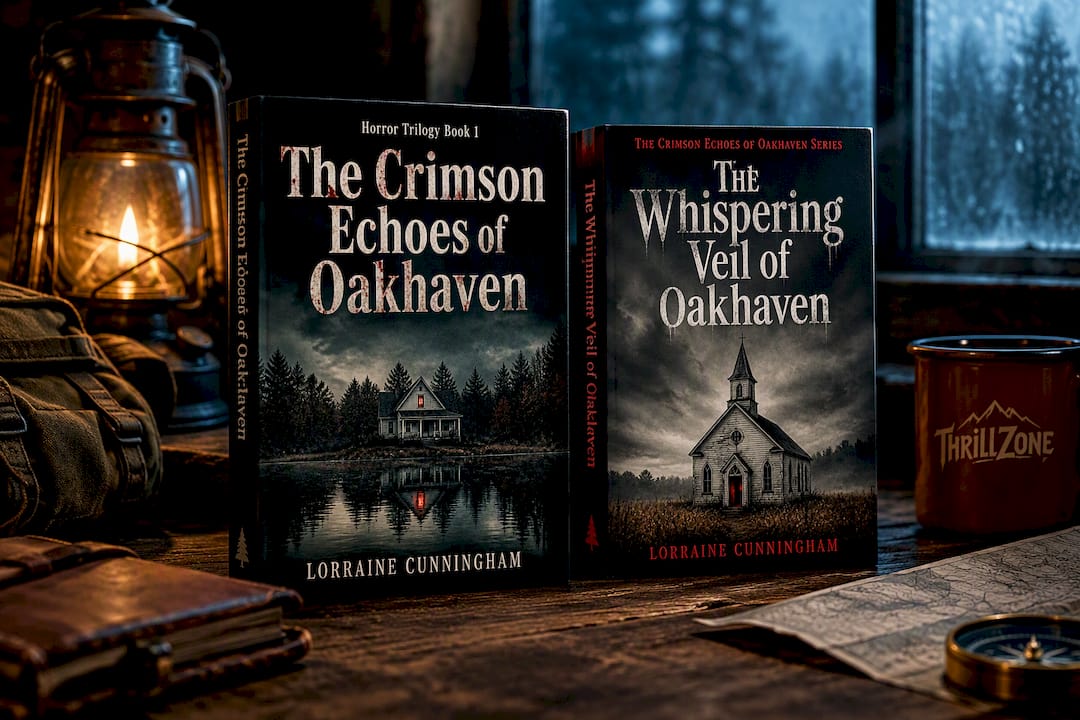
If you want a fast, teeth-clenching scare, start with Survivor Song. For slow, literary dread, pick The Road. Readers craving outbreak chaos should try World War Z, prepper realists want The Stand, and supernatural fans should look at The Crimson Echoes of Oakhaven and its sequel, The Whispering Veil of Oakhaven. Each fits a different mood, pace, and level of realism.


TL;DR:

  • The majority of survival horror books focus on atmosphere and character over tactical realism, with most only loosely related to actual survival skills.
  • Outbreak-focused titles like World War Z emphasize societal collapse through multiple perspectives, while Survivor Song offers a tense, personal viral epidemic.
  • Supernatural survival stories such as The Crimson Echoes of Oakhaven build dread by expanding haunted or cursed threats across wide-scale settings.
  • Reading sequences based on pacing—fast-paced thrillers or slow, reflective works—enhance mood continuity and deepen emotional impact.
  • Preview chapters are recommended before purchasing to assess tone, voice, and pacing, especially for long series or audiobooks.

Thrillerhorrorsuspense
Find Your Next Survival Horror Read
Browse exclusive thriller, horror, and suspense e-books, with preview chapters to help you choose your next story.

Browse the collection

Table of Contents

Curated Shortlists for Every Kind of Survival Scare

Survival horror splits into distinct reading moods, and matching the book to your mood matters more than chasing a single “best” list. Below are shortlists organized by what you want from the experience: a quick jolt, a slow burn, a supernatural chill, an outbreak nightmare, or a game-like fight to stay alive.

Quick scares (propulsive, high-tension, short chapters):

  • Survivor Song by Paul Tremblay: a rabies-like outbreak story told in a tight, claustrophobic timeframe that keeps pages turning fast.
  • Bird Box by Josh Malerman: sensory deprivation and an unseen threat create constant tension without a slow setup.
  • The Girl with All the Gifts by M.R. Carey: a fast-moving plot wrapped around a sympathetic, unsettling protagonist.

Slow, literary survival (atmospheric, reflective, built for mood over momentum):

  • The Road by Cormac McCarthy: a father and son cross a dead landscape in prose stripped down to the bone, often cited among the foundational post-apocalyptic works that define the genre’s emotional register.
  • Station Eleven by Emily St. John Mandel: a pandemic aftermath told through art, memory, and loss rather than action.
  • The Dog Stars by Peter Heller: isolation and grief carried by spare, poetic sentences.

Supernatural survival (the threat isn’t just human or biological):

  • The Crimson Echoes of Oakhaven (Book 1) follows a town where survival depends on outlasting something that defies explanation, available as a digital download through our e-books collection.
  • The Whispering Veil of Oakhaven (Series Book 2) continues the Oakhaven storyline with escalating supernatural stakes, building directly on the first book’s unresolved dread.
  • Other supernatural-leaning picks worth checking include the titles curated in CrimeReads’ supernatural survival list, which groups haunted, cursed, and possessed-survivor narratives together.

Pandemic and zombie survival (outbreak logic, collapsing infrastructure, mass panic):

  • World War Z by Max Brooks: an oral history format that shows the zombie outbreak from dozens of angles and scales.
  • The Stand by Stephen King: a sprawling pandemic epic that shifts into supernatural territory once society collapses.
  • Survivor Song reappears here too, since its rabies-style virus plays by outbreak rules even without reanimated dead.

Survival-game and wilderness horror (a fight against terrain, rules, or a hunter):

  • Several entries in Book Riot’s survival-game roundup build tension from competition-style premises, where characters are forced into deadly games with explicit rules.
  • Wilderness-isolation novels that strand characters without supplies or rescue options tend to lean on realism over supernatural threat, a useful contrast for readers who want grounded stakes.

Format availability varies by title: most contemporary picks are available as ebooks and audiobooks, while older or heavily award-nominated titles (several of which appear on the Booker Prize’s post-apocalyptic list) are easiest to find in paperback or hardcover first, with digital editions following later.

What Each Survival-Horror Subgenre Actually Delivers

Survival horror isn’t one genre, it’s a cluster of related but distinct reading experiences, and knowing the differences saves you from picking the wrong book for your mood.

  • Zombie or outbreak horror centers on contagion and societal collapse, usually with a clear biological or viral cause. World War Z and Survivor Song both fit here, though one is epic in scope and the other is tightly personal.
  • Wilderness or isolation horror strips away rescue options and tests characters against terrain, weather, or a hidden hunter, with no supernatural element required.
  • Supernatural survival adds a threat that defies natural explanation, like the escalating unknown in The Crimson Echoes of Oakhaven and The Whispering Veil of Oakhaven.
  • Post-apocalyptic horror follows survival after a civilization-ending event, often blending several of the above; The Road and The Stand both qualify but land at opposite ends of the tone spectrum.
  • Survival-game horror forces characters into deadly, rule-bound competitions, a premise Book Riot’s roundup shows readers find reliably tense.

One distinction matters more than genre labels: Slate’s analysis of prepper fiction separates survival stories into two camps. “Survival as technical manual” fiction leans into gear lists, resource management, and tactical realism, while “survival as moral test” fiction treats the collapse as a lens on human nature. Knowing which camp a book belongs to before you start it prevents the wrong kind of disappointment.

Zombie apocalypse fiction accounted for roughly 35% of post-apocalyptic novels published through 2024, making it the single largest subgenre inside the broader survival-horror space and a reliable entry point for new readers.

Ebooks, Audiobooks, or Paperback: Which Format Fits the Scare?

Format changes how a survival-horror book lands. An audiobook adds a narrator’s pacing and tone to every tense scene, which can either heighten dread or undercut it depending on delivery, so checking narrator reviews before committing to a long outbreak epic like World War Z is worth the extra few minutes. Ebooks offer instant access, which matters when you want to start a new scare tonight rather than wait for shipping, and they let you adjust text size and lighting for late-night reading sessions when the mood is right.

Paperback and hardcover editions still matter for collectors and for titles with strong physical design, but they’re rarely the fastest way to start reading.

  • Check sample narrators on audiobook platforms before buying a long series, since tone consistency matters across multiple books.
  • Look for edition notes on older titles, since some post-apocalyptic classics have been re-released with new introductions or afterwords.
  • Use preview chapters whenever a store offers them, since a few pages reveal pacing and voice faster than any review can.

Pro Tip: Read the first chapter of a survival-horror ebook before buying whenever a preview is available: pacing and voice are harder to fake than a strong cover or blurb.

Four Reading Paths That Build the Right Kind of Dread

Reading survival horror in sequence, rather than grabbing titles at random, builds mood continuity and lets themes compound.

  1. Weekend binge path (fast scares, 2 to 3 days): Start with Bird Box, move to Survivor Song, then close with The Girl with All the Gifts. Each book runs short enough to finish in a sitting or two, and the pacing stays propulsive throughout.
  2. Slow-burn literary path (1 to 2 weeks): Begin with Station Eleven, follow with The Dog Stars, then finish with The Road. This order moves from hopeful to bleakest, letting the emotional weight build gradually.
  3. Prepper realism path (10 days to 2 weeks): Open with The Stand for scale, then shift into tactical survival fiction that emphasizes resource management and planning, the kind Slate’s analysis frames as “technical manual” storytelling rather than existential horror.
  4. Supernatural survival marathon (1 week): Start with The Crimson Echoes of Oakhaven to establish the Oakhaven mystery, then continue directly into The Whispering Veil of Oakhaven while the first book’s unresolved questions are still fresh. Pair the ebook editions for quick transitions between installments, since momentum matters more here than in standalone titles.

Mixing formats within a path works well too: audiobooks for commute reading during the slow-burn path, ebooks for late-night binge sessions during the weekend path.

Why We’re a Reliable Place to Sample Survival Horror

We built ThrillerHorrorSuspense.store around a simple problem: readers waste money on horror books that don’t match their expectations. Our horror collection lets you preview exclusive chapters before buying, so you can judge pacing, voice, and tone before committing to a full ebook.

A chapter preview tells you more about a book’s voice in five minutes than a dozen reviews can tell you in an hour.

That preview-chapter approach matters most for survival horror, where tone varies wildly between prepper realism and literary dread. The original Oakhaven series fits squarely into supernatural survival horror: The Crimson Echoes of Oakhaven sets up a town facing an inexplicable threat, and The Whispering Veil of Oakhaven escalates that mystery into the second installment. Both are available to sample before purchase, which lowers the risk of buying into a series that doesn’t match your taste. This focus on digital titles across thriller, horror, and suspense keeps the catalog curated rather than overwhelming.

How Survival Horror Differs From Other Horror Subgenres

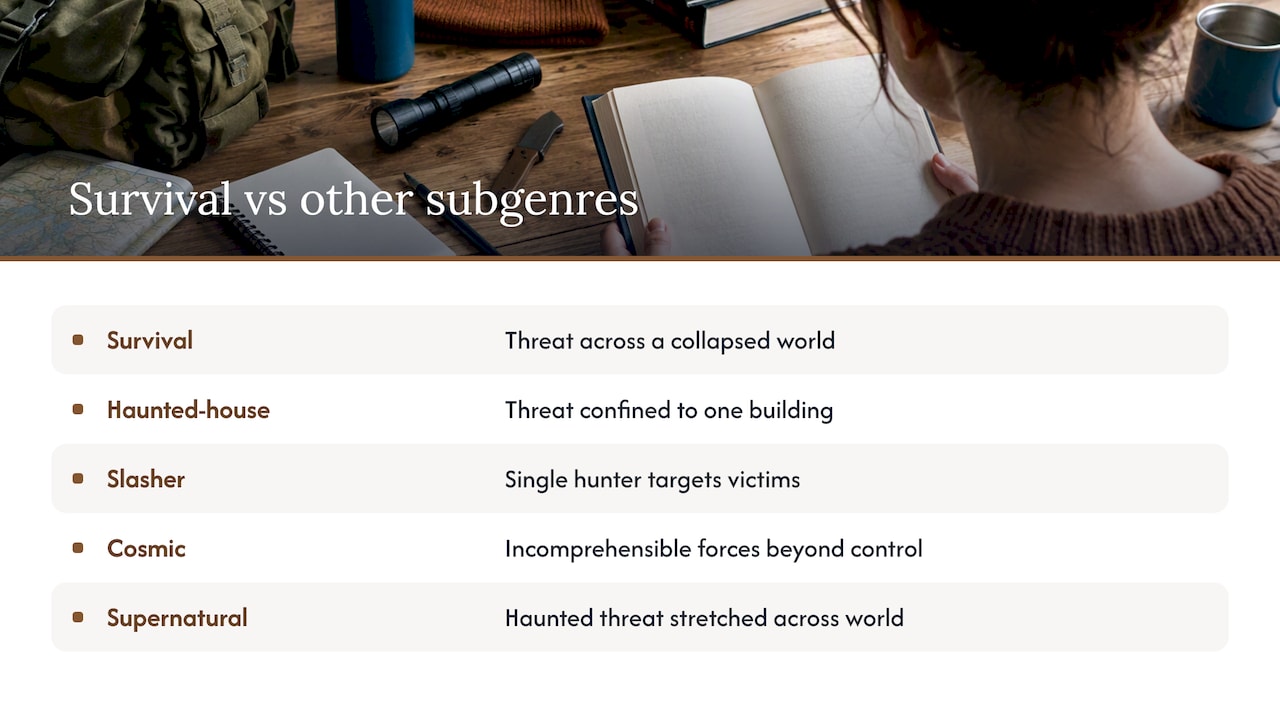
Survival horror distinguishes itself from haunted-house, slasher, or cosmic horror by locating the threat in a collapsed world rather than a single location or killer. A haunted-house novel traps characters in one building, while survival horror traps them in a landscape, a society, or an entire ecosystem gone wrong.

Slasher horror relies on a single hunter picking off victims one by one, while survival horror often features a diffuse threat, a virus, a famine, a collapsed supply chain, that doesn’t target individuals so much as erode the conditions for life itself. Cosmic horror, by contrast, usually centers on incomprehensible forces beyond human control, whereas survival horror keeps the emphasis on practical, often solvable problems: finding food, avoiding infection, outlasting a season.

The overlap shows up most clearly in supernatural survival horror, where a haunted-house-style threat gets stretched across a wider survival narrative, as in the Oakhaven books. That blend, confined dread plus wide-scale stakes, is part of what makes supernatural survival horror feel distinct from both parent subgenres.

How Survival Horror Differs From Other Horror Subgenres — overview diagram

Reading Survival Horror Like a Critic

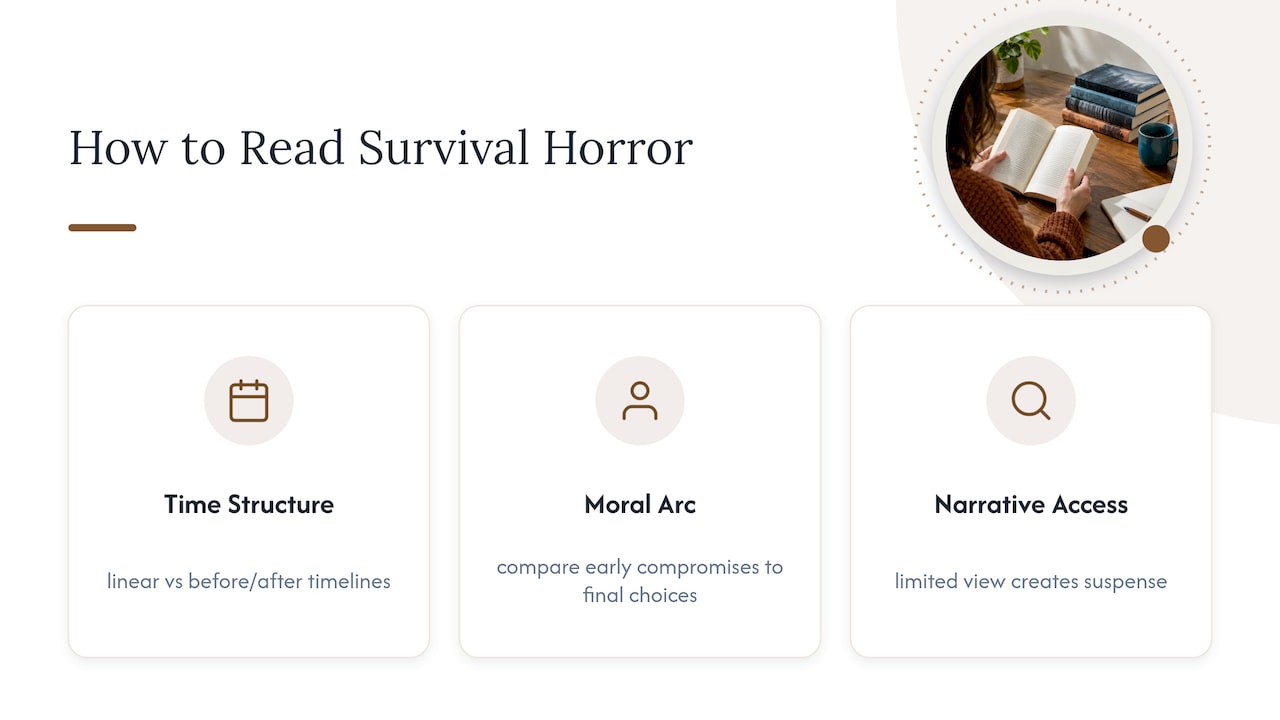
Paying attention to narrative structure sharpens how you read survival horror, especially in longer post-apocalyptic works. Watch for how a book handles time: does it move linearly through the collapse, or does it jump between before-and-after timelines the way Station Eleven does? That structural choice changes how much dread builds versus how much nostalgia colors the read.

Character development in survival horror often hinges on moral compromise rather than growth in the traditional sense. Track what a character is willing to do to survive early in the book, then compare it to their choices by the final chapters. The gap between those two points usually carries the book’s real argument about human nature under pressure.

Pay attention to which characters get interior access and which stay opaque. A narrator’s limited knowledge about threats outside their immediate view, a common technique in outbreak fiction, creates suspense through withheld information rather than explicit violence. Noting this device helps you see why a quieter book like Survivor Song feels as tense as louder zombie epics.

Reading Survival Horror Like a Critic — overview diagram

Where Survival Horror Came From and Who Shaped It

Survival horror as a literary mode draws from older disaster and plague narratives, but it crystallized into a recognizable form through mid-to-late 20th century authors. Stephen King’s The Stand helped define the pandemic-to-supernatural pipeline that many later survival-horror novels still follow. Cormac McCarthy’s The Road pushed the genre toward literary minimalism, proving survival horror could carry serious award attention.

Max Brooks reshaped outbreak fiction with World War Z, using an oral-history structure that let the zombie genre feel journalistic rather than purely sensational. More recently, authors like Paul Tremblay and Josh Malerman have narrowed the scope, trading sprawling civilizational collapse for tight, personal survival stakes, a shift that reflects readers’ growing appetite for shorter, faster books. Emily St. John Mandel and M.R. Carey have continued expanding the genre’s range, proving survival horror can hold literary ambition and genre tension at once.

The Themes That Make Survival Horror Hit Hard

Isolation sits at the center of nearly every survival-horror novel, whether it’s physical, as in a wilderness-stranded character, or social, as in a world where trust has collapsed. That isolation forces characters into decisions no one else can validate or challenge.

Desperation drives plot more than any monster or virus does. The scarcity of food, shelter, or safety strips characters down to their most basic priorities, and watching those priorities shift is often the real engine of tension.

Human nature under stress ties these threads together. Survival horror repeatedly asks whether cooperation or self-interest wins when the stakes are existential, and the strongest entries in the genre refuse easy answers. The Road leans toward tenderness even in collapse, while The Stand shows both communal rebuilding and violent factionalism emerging from the same disaster. Supernatural survival stories, including the Oakhaven series, add a layer where the threat itself seems to test characters’ resolve, turning survival into a moral as well as physical challenge.

Prepper Realism Is Overrated, Literary Dread Is Underrated

Technical survival detail gets more attention than it deserves. Readers often chase “accurate” prepper fiction assuming realism equals quality, but Slate’s analysis of prepper fiction makes clear that gear lists and resource management serve a narrow appetite, not a universal standard of what makes survival horror work.

What the research actually supports is this: the books that stick with readers longest, The Road, Station Eleven, the Oakhaven series, succeed because they use survival as a lens on character, not as a checklist of tactics. Conventional advice treats “most realistic” as the highest compliment a survival-horror book can earn. That advice undersells atmosphere, moral ambiguity, and the slow dread that technical fiction often skips past entirely.

If you’re choosing your next read, prioritize tone over tactical accuracy first. Decide whether you want hope or bleakness, then let realism be a secondary filter, not the primary one.

— lorraine

Start Reading Survival Horror Tonight

We make starting a new survival-horror series lower risk than browsing blind. Every title in our horror collection and our broader e-books catalog includes a preview chapter, so you can check pacing and tone before you spend a dollar.

The Crimson Echoes Of Oakhaven (Book 1)

Read the free sample chapter first, then download the full ebook the moment you’re hooked.

FAQ

What are the top 3 survival horror books to start with?

A strong starting trio is Survivor Song for a fast, personal outbreak scare, The Road for slow literary dread, and World War Z for a wide-scale zombie epic. Each represents a different pace and tone, making them a useful cross-section of the genre.

What is the scariest survival horror book?

Scariness depends on what unsettles you most: viral panic, supernatural dread, or bleak isolation. Readers chasing claustrophobic tension often point to Survivor Song for its compressed, personal outbreak scenario, while those seeking supernatural unease gravitate toward series like The Crimson Echoes of Oakhaven.

What are the best survivalist or prepper-style books?

Prepper-style fiction emphasizes tactical realism, resource management, and gear detail over atmosphere, a distinction Slate’s analysis draws clearly. The Stand offers scale and some tactical grounding, though readers wanting pure technical realism should expect fewer literary flourishes than in The Road.

What are good apocalyptic survival fiction books?

The Road, World War Z, and The Stand are frequently cited as foundational post-apocalyptic survival titles, each showing a different scale of collapse. For a shorter, more personal entry point, Survivor Song delivers the same survival stakes in a tighter timeframe.

How do I pick between fast scares and slow literary dread?

Choose fast scares like Bird Box or Survivor Song when you want propulsive pacing and quick payoff. Choose slow literary dread like The Road or Station Eleven when you want atmosphere and reflection to carry the tension instead of constant action.

Sources

15 One Sitting Horror Novellas to Read Tonight, Includes Previews

A curated shortlist of horror novellas works best when you want a complete scare in a single sitting, and that’s exactly what follows. Novellas fit this need because their word count, 17,500 to 40,000 words by the SFWA’s definition, forces a tight, uninterrupted build of dread. This list mixes classics, modern picks, and a few titles you can preview before buying.


TL;DR:

  • Most horror novellas range from 17,500 to 40,000 words, typically taking one to three hours to read and ideal for single sitting scares.
  • The form emphasizes narrow, focused plots centered around a single question or threat, often employing psychological, folk, or cosmic themes.
  • Previewing the first chapter or sample is key to gauging tone and voice, especially for visceral or slow-burn stories.
  • Classic examples like The Turn of the Screw and Coraline demonstrate how brevity and ambiguity build sustained dread without padding.
  • The genre has evolved with award recognition and modern authors, making novellas a popular choice for compact, impactful horror.

Thrillerhorrorsuspense
Find Your Next Horror Read
Browse digital horror, thriller, and suspense e-books, with exclusive chapters to preview before buying.

Browse the collection

Table of Contents

1. Annotated Picks for Your Next Scare

Each entry below gives you the author, a sense of length, the flavor of dread on offer, and who tends to love it. The mix spans decades and subgenres so you can match a pick to your mood rather than settle for whatever’s trending.

  1. The Turn of the Screw by Henry James runs a lean, dialogue-driven narrative that never confirms whether its ghosts are real. Readers who like ambiguity and slow psychological unraveling return to this one repeatedly.
  2. Coraline by Neil Gaiman won the Nebula Award for Best Novella in 2003, proving that novella-length horror can win major genre honors. It suits readers who want unsettling imagery wrapped in a deceptively simple story.
  3. We Have Always Lived in the Castle by Shirley Jackson builds dread through an unreliable narrator and a claustrophobic family house. It fits readers drawn to quiet menace rather than jump scares.
  4. The Haunting of Hill House (novella-length sections aside, often paired with shorter Jackson works) offers a template for architectural dread that later writers still borrow from.
  5. The Ballad of Black Tom by Victor LaValle reworks Lovecraftian cosmic horror through a sharper, more pointed lens. Readers tired of the genre’s old blind spots often start here.
  6. Mapping the Interior by Stephen Graham Jones delivers a grief-soaked ghost story that doubles as a meditation on identity. It suits readers who want emotional weight alongside the scares.
  7. Agents of Dreamland by Caitlín R. Kiernan blends cosmic horror with espionage pacing, rewarding readers who like their dread laced with paranoia.
  8. The Little Stranger (novella-adjacent pacing) by Sarah Waters isn’t a strict novella but is often shelved alongside shorter gothic works for readers chasing a slow-burn haunted house.
  9. Experimental Film by Gemma Files is a touch longer but reads fast, built for horror fans who like found-footage style dread on the page.
  10. The Elementals by Michael McDowell gives Southern gothic rot a compact frame, ideal for readers who want atmosphere over gore.
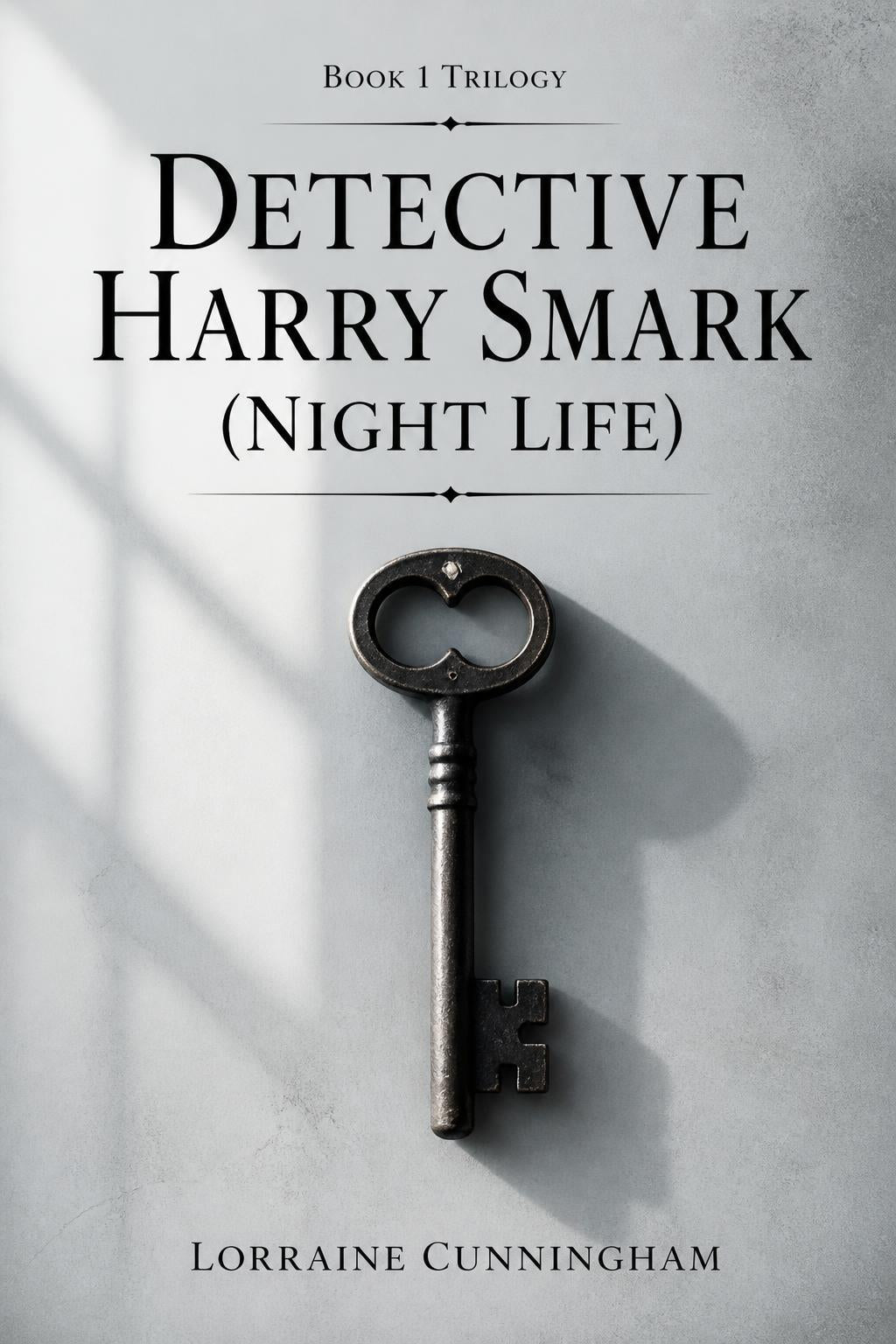
  11. Detective Harry Smark (Night Life Book 1), from ThrillerHorrorSuspense.store, opens a detective-driven thriller with horror undertones and offers a sample chapter so you can test the voice before buying.
  12. Detective Harry Smark (The Vault’s Echo Book 2), also from ThrillerHorrorSuspense.store, continues the detective’s case with a tighter, more claustrophobic setup, and it’s previewable the same way.
  13. The Crimson Echoes Of Oakhaven (Book 1), from ThrillerHorrorSuspense.store, leans into small-town gothic dread. The preview chapter lets you gauge pacing before committing.
  14. Nothing But Blackened Teeth by Cassandra Khaw pairs a haunted-house premise with a sharp, modern voice, good for readers who want contemporary dialogue inside an old-school scare.
  15. The Hollow Places by T. Kingfisher balances humor and dread in equal measure, a solid pick for readers who want relief valves between scares.

2. How Long Is a Horror Novella, Really?

A novella sits between a long short story and a short novel. The SFWA’s Nebula Awards rules peg the category at 17,500 to 40,000 words, which matters more than page count since fonts, trim size, and formatting can make two books of identical length look wildly different on a shelf.

  • A novella in this range typically reads in one to three hours, depending on pace.
  • Word count, not page count, is the reliable measure when a product listing calls something a novella.
  • Henry James’s The Turn of the Screw remains a textbook example of how a tight word count can sustain unbearable tension without padding.
  • Novellas compress horror’s usual arc, setup, escalation, confrontation, into a single uninterrupted reading session, which is exactly why the form suits the genre so well.

3. Picking a Novella by Subgenre and Mood

Different horror subgenres deliver different kinds of unease, so matching mood to category saves you from a mismatched pick.

  • Psychological horror relies on doubt and perception rather than monsters. Try The Turn of the Screw, We Have Always Lived in the Castle, or Mapping the Interior for slow-building dread that lives in the narrator’s head.
  • Folk horror draws on isolated communities and old rituals. The Elementals and The Hollow Places both use rural or small-town settings to unsettle readers who like dread rooted in place.
  • Body and visceral horror leans on physical transformation or violence; readers sensitive to body horror or graphic injury should approach Nothing But Blackened Teeth with that in mind.
  • Weird fiction blurs horror with the uncanny and absurd, and Coraline fits here despite its surface simplicity.
  • Cosmic horror deals with vast, indifferent forces beyond human control. The Ballad of Black Tom and Agents of Dreamland both modernize the subgenre for readers who want dread on a larger scale.

4. A Five-Step Checklist for Choosing Fast

When you want a scare tonight and don’t want to scroll for twenty minutes, run through this quick decision process.

  1. Check the word count or page estimate to confirm you’re looking at a true novella rather than a padded short novel.
  2. Decide your read window: a commute read favors shorter, punchier novellas, while an evening at home can absorb a slower burn.
  3. Pick your subgenre mood from psychological, folk, visceral, or cosmic based on what you’re in the mood to feel.
  4. Scan for trigger warnings if body horror or graphic violence is a concern, since several picks above lean visceral.
  5. Read the opening pages or a preview chapter to confirm the narrator’s voice works for you before committing.

For an evening chill, We Have Always Lived in the Castle delivers slow dread without exhausting you. For a commute read, Coraline moves fast enough to finish in short bursts. For readers chasing an intense, visceral appetite, Nothing But Blackened Teeth delivers the sharpest physical scares on this list.

Pro Tip: Read the first chapter preview before buying. Novellas depend on immediate tonal setup, so a few pages usually tell you whether the voice and pacing will hold your attention for the whole book.

5. Where Thrillerhorrorsuspense Fits Into This List

Thrillerhorrorsuspense specializes in digital horror, thriller, and suspense ebooks, and its catalog includes original titles alongside genre staples. The store’s preview-chapter feature lets you sample the opening of a book before you buy it, which matters for novellas specifically, since the entire reading experience hinges on whether the first few pages grab you.

  • Detective Harry Smark (Night Life Book 1) and Detective Harry Smark (The Vault’s Echo Book 2) both offer sample chapters on their product pages.
  • The Crimson Echoes Of Oakhaven (Book 1) does the same, giving you a feel for its small-town gothic tone before purchase.
  • The site’s horror collection groups titles by genre, and browsing there lets you scan for shorter works without committing to a longer novel first.

How Horror Novellas Took Shape Over Time

Horror has used the novella form since the genre’s earliest days, with The Turn of the Screw standing as one of the clearest examples of how a tightly controlled word count can sustain dread without relying on a sprawling plot. The form persisted through the twentieth century as writers like Shirley Jackson used compact narratives to explore domestic unease rather than external monsters.

The novella’s standing got a visible boost through award recognition. The Nebula Awards have maintained a dedicated Best Novella category for decades, and winners like Coraline show that shorter horror fiction can reach the same critical heights as full-length novels. That recognition matters for readers hunting for quality: award lists function as a filter, surfacing novellas that have already cleared a high bar.

More recently, writers like Victor LaValle and Stephen Graham Jones have used the novella to revisit older horror traditions, cosmic dread, haunted houses, through perspectives the genre historically overlooked. The form’s compact scope makes it an efficient vehicle for that kind of reexamination, since a novella can make a pointed argument without the padding a full novel sometimes requires.

What Shapes the Plot of a Horror Novella

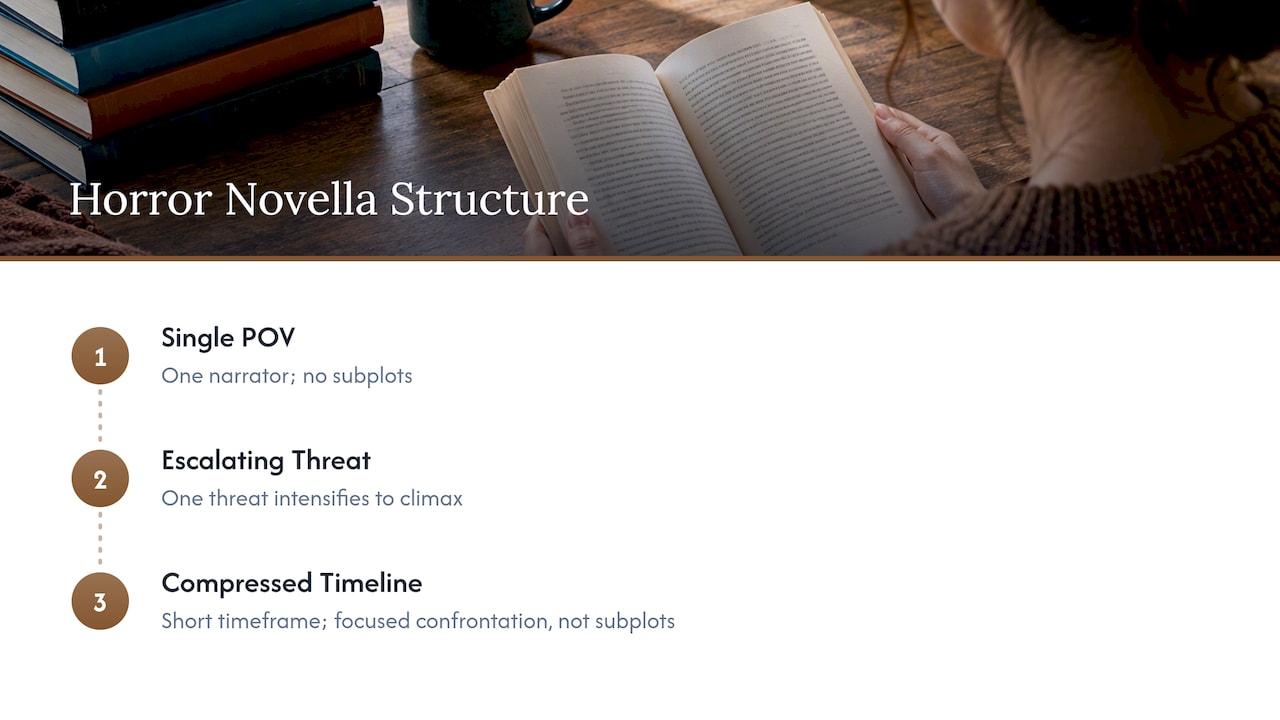
Horror novellas tend to follow a narrower structural pattern than novels, largely because there’s no room for subplots. A single point of view, a single escalating threat, and a compressed timeline are common across the form, from The Turn of the Screw’s governess narrating her own unraveling to Mapping the Interior’s single grieving narrator confronting a childhood haunting.

Three-part horror novella plot structure

Thematically, horror novellas often center on one unresolved question rather than a sprawling mythology. CrimeReads has argued that the novella functions almost like a parable in horror: it raises a single moral or existential problem and resolves it with a consequence proportional to that problem, rather than building out an entire world of rules and lore.

Isolation is another recurring thread, whether physical (a single house, a single town) or psychological (an unreliable narrator cut off from outside confirmation). That narrowing of scope is precisely what lets a novella sustain tension across its entire length without losing momentum, since every scene has to serve the one question the story is asking.

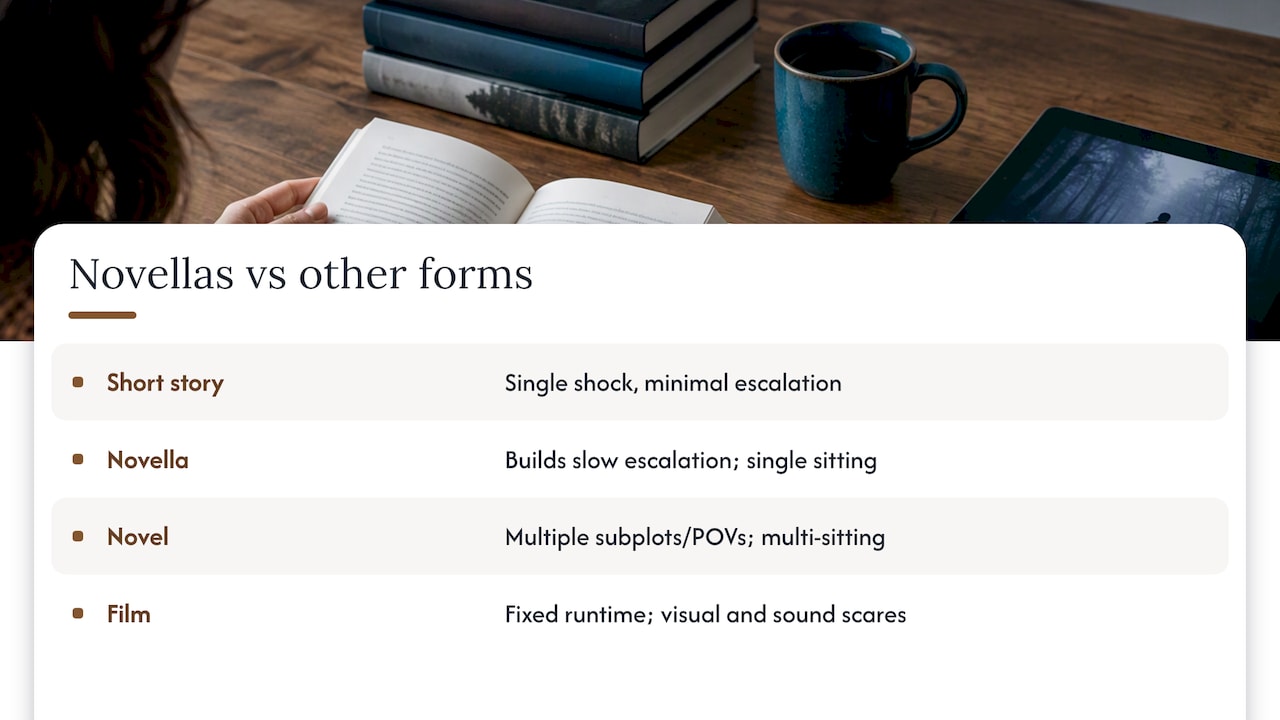
Novellas Versus Short Stories, Novels, and Films

A horror short story typically delivers a single image or shock and then ends, leaving little room for the slow escalation that defines dread. A novella has enough space to build that escalation properly while still finishing in one sitting, which is why CrimeReads and library curated lists often recommend novellas specifically for single-evening or Halloween reading.

A full-length horror novel, by contrast, usually carries subplots, multiple points of view, or a wider cast, any of which can dilute the pacing a novella keeps tight. That’s not a knock on novels, it’s a different kind of reading experience, one built for investment over many sittings rather than a single concentrated scare.

Horror films compress story into a fixed runtime the way novellas compress it into a fixed word count, but film relies on sound design, editing, and visual jump scares to generate dread. A novella has to do all of that through prose rhythm and narrative voice alone, which is part of why the form rewards careful, controlled writing rather than spectacle.

Novellas Versus Short Stories, Novels, and Films — overview diagram

Why Novellas Hit Differently Than Longer Horror

The emotional impact of a horror novella comes from its compression. Because the story resolves in one sitting, the dread doesn’t get a chance to dissipate between reading sessions the way it can with a 400-page novel read over two weeks. You stay inside the narrator’s head, or inside the haunted house, for the full arc without interruption.

That compression also means a novella can commit fully to one unsettling idea without diluting it. Book Riot’s curated lists of short horror novels consistently highlight this quality, pointing readers toward picks under 300 pages that deliver a complete scare without demanding a long-term commitment.

Readers who finish a strong horror novella often describe a specific kind of aftereffect: a lingering unease that fades faster than a novel’s would, but hits harder in the moment because the entire experience was concentrated into one sitting. That’s the trade the form makes, and for a lot of horror readers, it’s the better deal.

A Curator’s Case for the Novella

I come back to novellas more than any other horror format because they demand commitment in a way a novel doesn’t. You can’t put a good one down halfway through without losing the thread of dread it’s been building, so you finish it, usually in one sitting, and that’s the whole point.

What keeps me curating these lists is the same thing that keeps horror readers returning to novellas over and over: the format rewards a single clear idea executed well, rather than a sprawling premise that loses focus halfway through. A novella that nails its one question, the one CrimeReads compares to a parable, stays with you longer than most 400-page horror novels manage.

— lorraine

Find and Preview Your Next Scare

Thrillerhorrorsuspense gives you a direct way to act on this list right now. The site specializes in digital horror, thriller, and suspense ebooks, and every title on its product pages carries a sample chapter, so you can confirm the voice and pacing fit before you spend a dollar on a novella that might not land.

Detective Harry Smark (The Vault's Echo Book 2)

Start with the horror collection if you want to browse broadly, or jump straight to one of the three titles featured in this list: Detective Harry Smark (Night Life Book 1), Detective Harry Smark (The Vault’s Echo Book 2), or The Crimson Echoes Of Oakhaven (Book 1). Each product page lets you preview a chapter before purchase. For a wider browse across genres, the full E-BOOKS catalog and the Thriller collection are both one click away, and if you want to turn tonight’s reading into a themed evening, Halloween Costumes has seasonal options worth pairing with a scary read.

Sources

FAQ

What Are Some of the Scariest Horror Novellas?

Readers frequently point to The Turn of the Screw for psychological dread, Coraline for unsettling imagery that works on multiple levels, and We Have Always Lived in the Castle for its slow, claustrophobic unease. Each delivers its scares through a different mechanism, ambiguity, surreal imagery, and an unreliable narrator, so the “scariest” pick often comes down to what kind of fear you respond to.

What Is the Scariest Novel Ever Written?

There’s no single agreed-upon answer, since “scariest” depends heavily on individual readers and what unsettles them personally. Novellas like The Turn of the Screw are frequently cited among the most effective at sustaining dread specifically because their compact length never gives the tension a chance to release.

What Are Some Classic Horror Novellas Worth Reading?

The Turn of the Screw by Henry James and We Have Always Lived in the Castle by Shirley Jackson are two frequently cited classics that still hold up for modern readers. Both rely on narrative ambiguity and psychological unease rather than graphic content, making them accessible entry points into classic horror.

What Are Good Horror Novellas to Start With?

For a first novella, Coraline offers an accessible, fast-moving entry point that won the Nebula Award for Best Novella in 2003. If you want something newer and previewable before you buy, Thrillerhorrorsuspense’s Detective Harry Smark (Night Life Book 1) lets you sample the opening chapter directly on its product page.

15 Legal Thriller Books with Standout Audiobooks and Free Previews

Start with Scott Turow’s Presumed Innocent, John Grisham’s The Judge’s List, and James Comey’s Red Verdict if you want courtroom tension without wasted pages, and know that most of these titles come as strong audiobook productions as well as ebooks. Several newer releases lean into full-cast dramatization for added intensity. The catalog at Thriller Horror Suspense includes digital legal and crime thrillers worth sampling before purchase.


TL;DR:

  • Audiobooks for long courtroom dramas like The Judge’s List can provide nearly 13 hours of content, suitable for extended commutes or multi-day listening.
  • Full-cast audiobook productions enhance clarity in complex courtroom scenes by distinguishing characters and adding dramatization, especially for ensemble dialogues.
  • Single-narrator audiobooks suit books with a strong first-person or close third-person perspective, providing intimacy and consistent tone throughout the story.
  • Series order matters, with Presumed Innocent serving as a foundation, and shorter series like the Harry Smark titles offering quick, atmospheric listens for casual fans.
  • Preview chapters before purchase to match voice and pacing, ensuring the audiobook’s style fits your preferred format and reading or listening habits.

Thrillerhorrorsuspense
Sample Your Next Thriller
Browse digital horror, thriller, and suspense e-books with exclusive chapters to preview before purchase.

Table of Contents

Legal thrillers live or die on two things: whether the courtroom scenes feel real, and whether the moral stakes actually complicate the plot instead of just decorating it. The list below mixes genre-defining classics with recent releases, and notes format availability so you can match the book to how you like to read.

  1. Presumed Innocent by Scott Turow — the book that arguably invented the modern legal thriller, and still the best entry point into Turow’s Kindle County series, according to reading-order guides. Best for readers who want prose-driven tension over fast action. Available in ebook, audiobook, and paperback.
  2. The Judge’s List by John Grisham — a procedural with a twist: the suspect might be a judge. The audiobook runs close to 13 hours, per library audiobook listings. Best for listeners who want a long, immersive commute companion.
  3. Red Verdict by James Comey — a 2026 release that leans on national-security stakes and courtroom authenticity, reviewed favorably for its procedural detail by Jen Med’s Book Reviews. Best for readers who want legal fiction with a political edge.
  4. The Cut Throat Trial — a full-cast audiobook production featuring Toby Jones, Ben Miles, and Simon Vance, according to its Audible listing. Best for listeners who want a dramatized courtroom experience rather than a single narrator reading straight through.
  5. The Firm by John Grisham — the paranoid-thriller version of legal fiction, where the law firm itself is the threat. Best for readers new to the genre who want a fast, plot-forward read. Ebook, audiobook, and paperback all widely available.
  6. Innocent by Scott Turow — the direct sequel to Presumed Innocent, set decades later with the same characters older and more compromised. Best read after the original to avoid spoiling the first book’s central twist.
  7. A Time to Kill by John Grisham — Grisham’s debut, still one of the rawest explorations of vigilante justice and jury psychology in the genre. Best for readers who want moral complexity over procedural detail.
  8. Dissection of a Murder — a recent audiobook release narrated by Joanne Froggatt, praised for courtroom immediacy in listener reactions to its Audible edition. Best for listeners who want a single strong narrator carrying tense testimony scenes.
  9. Reversible Errors by Scott Turow — a death-row thriller that questions the finality of verdicts. Best for readers drawn to wrongful-conviction stories.
  10. The Lincoln Lawyer by Michael Connelly — a defense attorney working out of his car, which gives the series a street-level view of the justice system that courtroom-only thrillers miss. Best for readers who want procedural grit mixed with character study.
  11. The Rainmaker by John Grisham — an insurance-fraud case that doubles as a coming-of-age story for a young lawyer. Best for readers who like an underdog narrative.
  12. Testimony by Scott Turow — an international war-crimes case that pushes the legal thriller format outside a single courtroom. Best for readers who want the genre’s scope widened.
  13. Detective Harry Smark: Night Life — a digital original from Thriller Horror Suspense that blends procedural investigation with noir atmosphere. Best for readers who want a shorter, atmospheric read between longer courtroom epics.
  14. Detective Harry Smark: The Vault’s Echo — the second installment in the same series, available directly from Thriller Horror Suspense. Best for readers who finished the first book and want the case to deepen.
  15. A Bunch of Daisies — an audio-format original from the same publisher, suited to readers who prefer listening over reading and want something outside the big-name bestseller lists.

The Judge’s List clocks in at nearly 13 hours of audio, long enough to cover a full workweek of commutes, which makes it one of the more efficient ways to get a full Grisham plot without setting aside reading time.

A few quick notes on picking between similar titles:

  • If you only read one Turow book, make it Presumed Innocent, since later Kindle County entries assume you know its outcome.
  • If you want Grisham but have read the obvious titles, The Rainmaker and A Time to Kill hold up better than some of his later work.
  • If you want a shorter commitment, the publisher’s own Harry Smark titles run leaner than most bestseller-list legal thrillers.

A legal thriller audiobook lives or dies on how it handles testimony. Courtroom dialogue is dense, often adversarial, and easy to lose track of if the narration is flat. Single-narrator productions work well for interior, character-driven books like Turow’s, where one voice carrying the protagonist’s perspective adds intimacy. Full-cast productions, like The Cut Throat Trial, work better for ensemble courtroom dramas where you need to distinguish between judge, counsel, and witness in real time.

  • Single-narrator audiobooks suit books with a strong first-person or close third-person voice, since one performer can carry tone consistently across the whole book.
  • Full-cast productions suit multi-character courtroom scenes, where separate voice actors make cross-examinations easier to follow.
  • Dramatized adaptations with sound design work best for shorter, high-tension entries rather than long procedurals, since the effect can wear thin over many hours.

The Cut Throat Trial’s full-cast production features Toby Jones, Ben Miles, and Simon Vance, a lineup that Audible’s listing credits with strong critical reception for its courtroom scenes. That kind of casting is worth seeking out specifically when a book’s plot hinges on adversarial dialogue rather than internal monologue.

Pro Tip: Bookmark the start of any major testimony scene before you begin listening, so you can replay dense cross-examinations without scrubbing through the whole chapter.

Sampling a few minutes of any audiobook before buying tells you more than a review can. Playback speed matters too: courtroom dialogue often benefits from standard speed rather than 1.5x, since legal terminology and procedural detail can blur together when rushed.

3. How to choose the right format and where to buy

Ebooks are the cheapest and fastest way to start a legal thriller, and they let you search for character names or case details later, which is useful in long series. Audiobooks cost more but turn a commute or workout into reading time, and they add performance value that print cannot. Paperbacks remain the best choice for readers who annotate or prefer no screen time before bed.

  1. Decide your format first: pick audiobook if you have regular commute or chore time, ebook if you want portability and search, paperback if you read before sleep.
  2. Preview before buying: publisher preview chapters, Audible samples, and library apps all let you test a book’s voice and pacing without committing.
  3. Check series order: long-running authors like Turow and Grisham have loose or direct sequels, so confirm reading order before starting a series.
  4. Confirm narrator and runtime: a mismatched narrator can ruin an otherwise strong courtroom thriller, so check audiobook samples specifically for testimony scenes.
  5. Compare price against format: audiobooks typically cost more than ebooks for the same title, so weigh that against how much listening time you actually have.

Previewing matters more for digital purchases than for print, since there is no browsing-the-shelf moment to gauge tone. A few sample pages or minutes of audio answer the two questions that matter most: does the voice fit the material, and does the pacing hold up past the opening hook.

4. Why buy from ThrillerHorrorSuspense.store

Thriller Horror Suspense runs a catalog built specifically around thriller, horror, and suspense readers, rather than a general bookstore’s mixed-genre shelves. The site lets you preview chapters before buying, which matters most for digital titles you cannot browse in a store.

  • Every title includes an exclusive preview chapter, so you can sample the voice and pacing before paying for the full digital download.
  • The catalog is organized by genre, including dedicated thriller and horror sections, so readers can browse by mood rather than search blindly.
  • Purchases are digital and immediate, with no wait for shipping once you decide on a title.

Among the publisher’s own titles, Detective Harry Smark: Night Life opens the series with a noir-inflected investigation, Detective Harry Smark: The Vault’s Echo continues the case for readers who want the story to deepen, and A Bunch of Daisies offers an audio-first option for listeners who prefer narration over text.

Pro Tip: Read the free preview chapter on each product page before buying, since it is the fastest way to confirm a book’s tone matches what you are in the mood for.

5. What makes a legal thriller memorable — overview diagram

The legal thrillers that stay with readers share one trait: the courtroom scenes feel earned, not decorative. Writers with legal backgrounds or deep research tend to get the procedural rhythm right, the objections, the strategic silences, the way a single admission can unravel a case, and that authenticity is what separates a good legal thriller from a generic crime novel wearing a suit.

If you want prose-driven moral complexity, start with Turow. If you want fast-moving plot with clear stakes, start with Grisham. If you want something with a political edge and inside-the-system detail, Red Verdict fits that mood. If you want a shorter, atmospheric read, the Harry Smark series offers a leaner alternative to the genre’s usual doorstoppers.

— lorraine

6. Sample and buy from our catalog

Detective Harry Smark (The Vault's Echo Book 2)

If you have already found your next courtroom read on this list, you do not need to search further to buy it digitally. Thriller Horror Suspense keeps preview chapters on every product page, so you know a book’s voice fits before you spend anything, and delivery is instant once you check out.

Title Format Best for
Detective Harry Smark: Night Life Ebook Series starters
Detective Harry Smark: The Vault’s Echo Ebook Readers continuing the case

Sources

FAQ

Presumed Innocent by Scott Turow is widely considered the genre’s defining entry point and the best place to start, according to reading-order guides. John Grisham’s The Judge’s List is a strong modern alternative procedural with a gripping pace.

There is no single agreed-upon best author, but Scott Turow and John Grisham are the two names most consistently featured on genre lists, alongside newer entries like James Comey. Genre roundups such as the Goodreads Best Legal Thrillers list typically mix these established names with newer standouts.

What are some good courtroom mystery books?

The Cut Throat Trial, praised for its full-cast audiobook production, and Michael Connelly’s The Lincoln Lawyer both deliver strong courtroom mystery elements. Readers who want something shorter can also try the publisher’s own Detective Harry Smark series for a noir-inflected procedural.

Scott Turow is the closest comparison, often credited alongside Grisham as a genre-founding author, and James Comey’s Red Verdict offers a similar blend of procedural detail and high stakes. Michael Connelly’s Lincoln Lawyer series is also a common recommendation for Grisham readers who want more street-level legal drama.

Yes, most major legal thrillers, including The Judge’s List and The Cut Throat Trial, are available as audiobooks, with some running close to 13 hours and others produced as full-cast dramatizations. The publisher’s own A Bunch of Daisies is also available as an audio title for listeners who prefer narration over text.

Preview Chapters First: Curated LGBTQ Horror Books, Not Tokenism

Start with a trans-led slasher, a literary ghost story rooted in queer history, and a body-horror anthology that will not let you look away: those three moods cover most of what readers want from queer horror right now. This guide groups standout titles by subgenre, flags intensity so you know what you are walking into, and points you toward preview chapters on ThrillerHorrorSuspense.store so you can sample before you buy.


TL;DR:

  • Body horror and cannibal themes are highly graphic and should be approached with caution, as these titles focus on physical transformation and consumption.
  • Queer horror subgenres often incorporate community and solidarity as central elements, which influence both the tone and emotional stakes of the story.
  • Preview chapters on ThrillerHorrorSuspense.store enable readers to assess pacing and content warnings before purchasing, reducing the risk of mismatched expectations.
  • The genre’s evolution has shifted from coded subtext to explicit representations of queer communities, broadening its range to include more diverse and meaningful stories.
  • Content warnings for graphic violence, body horror, and sexual violence are specific and should be taken seriously, particularly for sensitive readers seeking lower-intensity options.

Thrillerhorrorsuspense
Preview Before You Buy
Explore digital horror, thriller, and suspense e-books with exclusive chapters to help you find a story that fits.

Table of Contents

1. A Themed Shortlist of Standout LGBTQ Horror Books

Queer horror is not one shelf, it is several. Some books lean literary and slow, others go straight for viscera, and a growing number use community and solidarity as the engine of the plot rather than the punishment at the end of it. The list below groups titles by mood so you can match a book to what you actually want tonight: whether that is dread, gore, or grief with teeth.

Sapphic horror and gothic dread

  • A story built around a haunted estate or an isolated relationship, where the horror comes from repression as much as the supernatural, fits readers who want atmosphere over jump scares.
  • Look for narrators who are queer women navigating both a haunting and a hostile social world; the doubling of threats is often the point.
  • Readers who liked slow-burn gothic fiction before discovering queer horror will find this the easiest entry point.

Trans-led slasher and communal horror

Trans Panic! is the clearest example in this lane. Set at Camp New Horizons, a trans-focused summer camp, the Goodreads listing describes an isolated space where disappearances escalate and suspicion turns inward. It works as a slasher in structure but uses the camp’s built-in solidarity as both comfort and vulnerability: everyone knows everyone, which makes betrayal sting harder and alliance mean more. It is best for readers who want body count with a beating heart underneath it.

All the Hearts You Eat sits in similar territory. Reviews of the book, discussed in Hailey Piper’s commentary, point to community as the emotional counterweight to violence rather than a passive backdrop. That framing shows up across a lot of the strongest queer horror: identity is not decoration, it changes what the characters stand to lose.

Literary and historically grounded queer horror

RED X is the standout here. The Google Books listing ties a string of disappearances to gay-community history, and Penguin Random House’s edition includes an introduction by Gretchen Felker-Martin that frames the book as connecting supernatural menace to real community memory. It rewards patient readers who want the horror to mean something beyond the scare, and it works well as a bridge book for people moving from literary fiction into horror.

Body horror, cannibal horror, and cosmic queer horror

This is the most intense shelf on the list, and it should be approached with eyes open. Booklist’s reviews of Carnalis and Sister, Maiden, Monster, cataloged in its review entries, call out graphic body horror, cannibalism, and eldritch or cosmic elements as central rather than incidental. Herculina and This Is My Body also fall into this bracket, alongside With Blood upon His Teeth, which leans more toward haunted-house and possession dread. Publishers Weekly’s listings flag these titles for both theme and intensity, which is useful shorthand when you are trying to gauge how graphic a book will get before you commit to it.

Anthologies for sampling across styles

Short-story collections are the easiest way to test the waters across several subgenres in one sitting. A queer horror anthology typically mixes gothic, body horror, and quieter psychological pieces, so you can find your lane without committing to a full novel. If one story lands and another does not, that is useful information for narrowing your next pick.

Two titles worth a direct look

Detective Harry Smark (Night Life Book 1) follows a supernatural investigator working cases that blend detective fiction with horror atmosphere, and it is available with a preview chapter so you can gauge pacing and tone before buying. The Crimson Echoes of Oakhaven (Book 1) leans into small-town gothic dread, and its product page also offers a sample chapter, which is the fastest way to check whether its intensity matches what you are in the mood for.

Detective Harry Smark (Night Life Book 1)

For a broader sense of scale, the Goodreads queer-horror list is a user-curated catalog that, in one sampled snapshot, tracked several hundred titles from a few hundred voters. It is not an official census, but it shows how much the category has grown beyond a handful of landmark books.

2. How Subgenres Shape the Queer Horror Experience

Queer horror is not a single flavor, it is a set of overlapping traditions, and knowing which one you are picking up changes what you should expect from the first chapter.

  1. Literary and grounded horror. RED X is the reference point: dread builds slowly, tied to real community history, and the supernatural elements often mirror lived threats like erasure or violence against gay communities. Best for readers who want meaning layered under the scares, and generally lower on graphic content.
  2. Trans-led slasher and communal horror. Trans Panic! and All the Hearts You Eat both use a tight-knit queer community as the setting and the stakes. The horror mechanic (a killer, a curse, a monster) is standard slasher grammar, but the found-family dynamic changes who you fear for and why. Expect moderate to high violence, with emotional weight attached to every death.
  3. Body horror and cannibal horror. Carnalis and Sister, Maiden, Monster sit here, and Booklist’s review entries are explicit that the body horror and cannibal content are graphic, not implied. This subgenre uses physical transformation or consumption as metaphor for identity, hunger, or transformation itself. It is the most intense category on this list and is not a good fit for squeamish readers.
  4. Cosmic queer horror. Often paired with body horror, this lane leans on eldritch or incomprehensible threats, using cosmic scale to mirror the isolation queer characters can feel in hostile settings. Herculine and This Is My Body edge toward this territory. Expect existential dread more than jump scares, though the two often coexist.
  5. Gothic and period queer horror. Haunted houses, possession, and historical settings dominate here, with With Blood upon His Teeth as a representative example flagged by Publishers Weekly for its haunted-house and possession themes. This subgenre tends to be moody rather than graphic, favoring slow dread over explicit violence.

The through line across all five: when queer identity is structural rather than decorative, the stakes change. A slasher becomes about protecting a chosen family. A haunting becomes about a community’s erased history refusing to stay buried. That shift is what separates the strongest books on this list from horror that merely includes a queer character without letting that identity affect anything.

3. How to Choose a Queer Horror Book That Fits You

Matching a book to your mood takes about five questions, and answering them honestly will save you from DNF-ing a novel halfway through.

  • How graphic can this get? Body horror and cannibal horror titles like Carnalis run far more intense than gothic or literary picks like RED X.
  • Does the protagonist’s identity match what I want to read about? Sapphic, trans-led, and gay-male-centered stories each carry different emotional textures and community dynamics.
  • Am I in the mood for a novel or a sampler? Anthologies let you test several subgenres in one sitting; novels commit you to one tone for the full length.
  • Is this shelved as YA or adult? Intensity, language, and thematic maturity shift considerably between categories, so check the listing before assuming.
  • What do professional reviews say about tone? Publishers Weekly and Booklist both flag graphic content explicitly when it is present, which is a faster signal than jacket copy.

Before you commit, ask yourself two more direct questions: do you want the solidarity payoff, the sense that community wins even when individuals do not, or are you looking for something bleaker? And are you genuinely comfortable with body horror, or does that description alone make you want to skip to the next entry? Both answers are valid, and they should drive your next pick more than a book’s popularity does.

Watch for two red flags regardless of subgenre. The first is exploitative representation, where a queer character exists to be victimized without agency or interiority. The second is a “bury your gays” ending used as shock value rather than earned tragedy, a pattern queer readers have flagged in horror and genre fiction for years. A good queer horror book can still kill its characters, but it should let them matter first.

Pro Tip: Read the first chapter before the jacket copy. A preview tells you more about pacing and tone than any back-cover summary.

4. How ThrillerHorrorSuspense.store Helps You Find Queer Horror

Picking a horror novel sight unseen is a gamble, especially in a genre where intensity varies so widely from book to book. ThrillerHorrorSuspense.store addresses that directly by letting readers preview exclusive chapters before buying, which turns a blind purchase into an informed one.

  • Exclusive preview chapters are available on product pages, so you can gauge pacing, voice, and intensity before you spend anything.
  • The site organizes titles into genre collections, including a dedicated Horror catalog, which makes browsing by mood faster than scrolling an undifferentiated store.
  • Navigation is built around genre categories rather than generic bestseller lists, which suits readers who already know they want horror, thriller, or suspense specifically.

Two titles from the catalog fit directly into the themes covered here. Detective Harry Smark (Night Life Book 1) blends detective procedural with supernatural horror atmosphere, and its preview chapter is available now. The Crimson Echoes of Oakhaven (Book 1) leans into small-town gothic dread with a sample chapter on its product page, letting you test the tone against what you learned about gothic and literary queer horror above.

This curated approach is what this guide has been built on: matching readers to a subgenre and intensity level before they spend money, rather than after.

5. Where to Preview and Buy, and How to Read Content Warnings

Sampling before buying is the single best habit for avoiding a mismatched horror read, and there are a few reliable ways to do it.

  • Product pages on ThrillerHorrorSuspense.store include exclusive preview chapters, which is the most direct way to test pacing and tone before purchase.
  • Goodreads listings, including the Trans Panic! page, often include early reader reviews that flag intensity and content specifics in more detail than jacket copy.
  • Publisher pages, such as those referenced through Publishers Weekly, frequently note thematic warnings alongside professional critique.

When you see a content warning for body horror, cannibalism, or sexual violence, treat it as a literal description rather than a vague caution. Booklist’s language around Carnalis and Sister, Maiden, Monster is specific about graphic content for a reason: these books do not shy away from depicting what they describe. If you are a sensitive reader, gothic and literary picks like RED X or moderate-intensity communal horror like Trans Panic! are safer starting points than the body-horror shelf.

On the practical side, most e-book purchases are DRM-protected and tied to the platform you buy from, so check format compatibility with your reading app before buying. Preview chapters function as an informal return policy: read before you pay, and you avoid most surprises. Availability can shift as catalogs update, so confirm a title is still listed before assuming it is in stock.

6. How LGBTQ Themes in Horror Have Evolved

Queer subtext has haunted horror for a long time, often coded rather than explicit, showing up as monstrous outsiders, coded villains, or repressed desire standing in for identity that could not be named directly. The Wikipedia category for LGBTQ themes in horror fiction catalogs decades of this pattern across books, films, and characters, tracing a shift from subtext to text over time.

What changed more recently is directness. Instead of a monster standing in for queerness, books like RED X put queer community history at the center of the plot itself, using real historical threats to gay communities as the emotional core of a supernatural mystery. Trans-led horror like Trans Panic! goes further, building entire settings, like a trans-focused summer camp, around queer community rather than treating a single character’s identity as the extent of representation.

This shift tracks with broader changes in publishing: more queer authors writing horror directly, more editors willing to publish work that centers queer community rather than using it as a twist, and more readers actively seeking out these stories rather than settling for coded stand-ins. The result is a genre with more range: literary dread, communal slasher, body horror, and cosmic horror can all now carry queer identity as a structural element rather than a subplot.

7. Notable LGBTQ Authors Shaping the Horror Genre

Gretchen Felker-Martin’s involvement with RED X, writing the introduction to its new edition according to Penguin Random House’s listing, signals how established queer horror voices are actively shaping how earlier or adjacent work gets framed for new readers. That kind of curatorial role, connecting a new edition to the broader conversation about queer horror, matters as much as authorship itself in building the genre’s canon.

Writers working in body horror and cosmic horror, the authors behind Carnalis and Sister, Maiden, Monster, are pushing the genre’s more transgressive edges, using graphic transformation and cannibalism as vehicles for questions about identity and hunger that more restrained horror cannot access as directly. Booklist’s reviews treat this intensity as a deliberate craft choice rather than shock for its own sake.

Meanwhile, authors working in trans-led slasher and communal horror are expanding what a “final girl” narrative can look like when the community under threat is explicitly trans or queer. Trans Panic! and All the Hearts You Eat both use this structure, and reviews discussed by Hailey Piper point to community solidarity as a narrative device these authors are using deliberately, not incidentally. Together, these writers are broadening queer horror well past a single template.

8. What Queer Horror Tropes Reveal About the Genre

The most persistent trope in queer horror is the monster as metaphor for repression, where a supernatural threat mirrors the danger of being seen or of hiding. That trope has not disappeared, but the strongest recent work complicates it: instead of the queer character being the monster or the monster’s target by default, books like RED X use the monster to represent historical violence against a community, shifting the metaphor from personal shame to collective memory.

Communal horror introduces a second major trope: the found family under siege. Trans Panic! and All the Hearts You Eat both build tension not just from an external threat but from the fragility of the community’s trust in itself once suspicion enters. This differs from traditional slasher tropes, where isolation strips away support systems; here, the support system exists from the start and becomes both a shield and a target.

A third trope, common in body horror and cosmic horror, treats transformation as a stand-in for identity in flux. Carnalis and Sister, Maiden, Monster use physical horror, cannibalism, bodily corruption, cosmic incomprehensibility, to externalize internal questions about self and hunger that a quieter narrative might handle through dialogue. The graphic nature Booklist flags in its review entries is not incidental to this trope, it is the mechanism.

9. Why LGBTQ Horror Books Matter to Readers and Communities

Queer horror readers often describe finding these books as the first time a genre they already loved reflected their own community back at them, not as a punchline or a tragedy waiting to happen, but as people with agency inside the scares. That shift matters because horror has historically used queerness as shorthand for monstrousness, and reversing that dynamic changes what the genre can say.

Community-focused works like Trans Panic! and All the Hearts You Eat do more than entertain: reviews discussed by Hailey Piper point to solidarity as the emotional counterweight to violence, which gives readers something to hold onto even in the genre’s darkest moments. That balance, dread paired with community, is part of why these books resonate beyond a single reading.

The category’s growth is visible in aggregate too. The Goodreads queer-horror list, a user-curated catalog rather than an official record, tracked 644 titles from 377 voters in one snapshot, suggesting an active and engaged readership actively building and sharing recommendations rather than waiting for mainstream horror to catch up.

Goodreads queer horror snapshot metrics

10. What’s New in LGBTQ Horror Right Now

The subgenres covered in this guide, literary, communal, body horror, and cosmic, are all seeing active new releases rather than settling into a fixed set of classics. Carnalis and Sister, Maiden, Monster represent recent entries in the body-horror and cosmic lanes, both reviewed by Booklist with explicit attention to their graphic content and thematic ambition.

Trans-led horror is also expanding, with Trans Panic! offering a communal slasher built around a trans-focused summer camp setting, a structure that gives newer writers room to build entire ensembles rather than a single queer character surrounded by a straight cast. All the Hearts You Eat sits alongside it, continuing the trend of centering community solidarity as a narrative anchor.

On the catalog side, retailers and independent publishers are making it easier to sample new releases before committing, a shift that matters most for a genre where intensity varies so widely. Detective Harry Smark (Night Life Book 1) and The Crimson Echoes of Oakhaven (Book 1) are both available with preview chapters on ThrillerHorrorSuspense.store, reflecting this same low-risk sampling approach applied to newer supernatural and gothic titles. Anthologies remain a steady presence too, giving readers a fast way to sample several new voices in a single collection before picking a full novel to commit to.

11. Why Queer Horror Feels Like Resistance, Not Just Entertainment

Community is the counterweight that keeps queer horror from becoming just another catalog of suffering. The books that stay with readers, the ones people recommend years later, are rarely the ones where a queer character exists only to be punished. They are the ones where a trans-focused summer camp, a gay neighborhood’s buried history, or a found family under siege gives the horror something to threaten that actually matters.

Curating this list meant weighing intensity against payoff constantly. A body-horror novel that treats transformation as pure spectacle earns a place here only if it also has something to say. A slasher earns its spot when the community it endangers feels real rather than decorative. That balance, not gore for its own sake, and not representation as a checkbox, is what separates the strongest queer horror from the rest of the shelf.

If any of the subgenres above caught your attention, start with a preview chapter rather than a full purchase. It is the fastest way to know whether a book’s intensity and its emotional payoff match what you are looking for tonight.

— lorraine

Preview and Buy Queer Horror on ThrillerHorrorSuspense.store

Choosing a horror novel without knowing what is inside it is a real risk, especially in a genre where intensity ranges from quiet dread to explicit body horror. ThrillerHorrorSuspense.store removes some of that risk by offering exclusive chapter previews on its titles, so you can test tone and pacing before you spend anything.

Detective Harry Smark (Night Life Book 1)

  • Preview chapters are available on some product pages, allowing readers to sample voice and pace before purchase.
  • The Horror collection groups titles by genre, making it easier to browse toward the mood you are after rather than scrolling a generic bestseller list.
  • The broader Thriller collection sits alongside Horror for readers who want to branch into adjacent suspense while staying within the same catalog.

For readers interested in how queer community and place-making show up outside fiction, resources like finding an LGBTQ+ friendly roommate speak to the same themes of chosen community that run through books like RED X. And for anyone drawn to the visual side of queer genre storytelling, from cover art to marketing imagery, LGBTQ fashion editorial photography offers a look at how queer visual culture gets built outside the page.

Browse the full E-BOOKS catalog to preview a chapter, compare titles across genres, and buy the ones that match what you are in the mood to read tonight.

FAQ

What Is the Most Terrifying Book Ever Written?

There is no single agreed-upon answer, since terror is subjective and varies by reader and subgenre. Within queer horror specifically, titles flagged by Booklist for graphic body horror and cannibal content, like Carnalis and Sister, Maiden, Monster, tend to rank among the most intense rather than the most universally terrifying.

Sapphic horror often leans gothic, using haunted settings and repression as central themes rather than explicit gore. While specific bestseller rankings vary, readers looking for this lane should start with gothic and literary picks and check preview chapters or reviews for tone before committing to a full novel.

What Is Queer Horror Theory?

Queer horror theory generally examines how horror has historically coded queerness as monstrous, and how newer work reverses or complicates that pattern by centering queer characters and communities as protagonists rather than threats. The Wikipedia category on LGBTQ themes in horror fiction catalogs many of the historical examples this theory draws on.

What Are Some Good Queer Halloween Books?

For a Halloween read, gothic and literary queer horror like RED X offers atmosphere and dread without the extreme graphic content found in body horror titles. Readers wanting something with a communal, slasher-adjacent structure might try Trans Panic!, which is set at a trans-focused summer camp and builds tension through isolation and suspicion.

Where Can I Preview Queer Horror Chapters Before Buying?

ThrillerHorrorSuspense.store offers exclusive preview chapters on its product pages, including for Detective Harry Smark (Night Life Book 1) and The Crimson Echoes of Oakhaven (Book 1). Goodreads listings often include early reader impressions as an additional way to gauge tone before purchase.

Preview Before You Buy: Curated Techno Thrillers Where Tech Drives Plot

Start with Michael Crichton’s Jurassic Park if you want the genre’s clearest gateway, Daniel Suarez’s Daemon if you want a modern algorithmic nightmare, and Neal Stephenson’s Snow Crash if cyberpunk energy appeals more than clinical realism. Below is a curated list of the techno-thrillers worth your time, with short notes on the technology driving each plot and who should read it first.


TL;DR:

  • Most techno-thrillers focus on plausible yet advanced technology such as genetic engineering, cyber warfare, or military hardware, often emphasizing technical accuracy.
  • The genre varies from slow-building, procedural stories to fast-paced, speculative narratives, so matching your preferred pacing and technical depth is key.
  • Sample preview chapters to gauge a book’s technical density and pacing, ensuring it aligns with your interest in either realism or imaginative scenarios.
  • Foundational authors like Michael Crichton and Tom Clancy set the core template, while modern writers like Suarez and Stephenson explore faster, more speculative themes.
  • Biotech and Cold War military stories tend to rely on existing or emerging tech, whereas AI and social-platform thrillers often extrapolate current systems into future anxieties.

Thrillerhorrorsuspense
Find Your Next Techno Thriller
Browse digital horror, thriller, and suspense e-books, with exclusive chapters to preview before you buy.

Table of Contents

1. The Curated List of Essential Techno-Thrillers

A good techno-thriller list has to hold two things at once: the canonical titles that built the genre and the newer books that prove it still has teeth. The picks below mix both, with a short note on the central technology and who each book suits best.

Jurassic Park by Michael Crichton uses de-extinction genetics as its engine, following a theme park that resurrects dinosaurs through recombinant DNA and loses control of the results. It suits readers who want the template for the entire genre: brilliant scientists, a closed system that fails in cascading ways, and a moral about hubris that never feels preachy.

The Andromeda Strain by Michael Crichton centers on an extraterrestrial microorganism analyzed inside a fictional biocontainment facility, told with a procedural coldness that makes the science feel like documentary footage. It fits readers who prefer their thrillers slow-burning and clinical rather than action-heavy.

The Hunt for Red October by Tom Clancy runs on submarine warfare and a stealth propulsion system that could shift the balance of Cold War naval power. It rewards readers who enjoy military hardware described with genuine technical patience, chapter after chapter of sonar and torpedo logic that never feels like filler.

Snow Crash by Neal Stephenson imagines a virtual reality metaverse alongside a neurolinguistic virus that infects both computer systems and human minds. It’s best for readers who want cyberpunk swagger over realism, since the book cares more about ideas and voice than plausible engineering.

Daemon by Daniel Suarez follows a deceased programmer’s autonomous software system that continues executing his will through automated processes, hiring, and even assassination. It suits readers drawn to modern-day algorithmic control and the unsettling idea that a program can outlive its creator’s intentions.

The Martian by Andy Weir strips the genre down to survival engineering, as an astronaut stranded on Mars solves one physical problem after another with what he has on hand. It fits readers who want technical detail with zero geopolitical baggage, just a single character against physics.

The Circle by Dave Eggers examines surveillance culture and the erosion of privacy inside a near-future tech company that pushes total transparency as a virtue. It’s suited to readers who want their techno-thriller aimed at social platforms rather than weapons or pathogens.

The Confessions, published by Simon & Schuster, works as a psychological thriller with technology woven through its plotting; readers who like character-driven suspense with a tech backdrop will find it a good fit.

Reamde by Neal Stephenson combines a ransomware attack with a massively multiplayer online game economy, spinning both into a globe-spanning chase involving hackers, gamers, and organized crime. It suits readers who want maximalist plotting and don’t mind a long book that keeps adding moving parts.

Breakpoint by Richard A. Clarke dramatizes cyber escalation and infrastructure vulnerability, and a 2026 analysis of the book notes that its cyber scenarios still read as instructive warnings even as the specific technology has dated. It fits readers who want a techno-thriller that doubles as a cautionary case study in institutional response.

The Exphoria Code, published by Simon & Schuster, brings intelligence tradecraft into a contemporary hacking plot and suits readers who want espionage mechanics alongside cyber detail.

The Director by David Ignatius updates traditional spy fiction for the hacker era, and a New York Times review frames it as offering inside knowledge of intelligence tradecraft reworked for digital-age threats. It’s a strong pick for readers who want CIA procedure and cyber plausibility in the same book.

Detective Harry Smark (The Vault’s Echo Book 2) continues a detective series where investigative pressure and hidden systems drive the plot forward, and readers who enjoyed the first book will find the escalation satisfying.

Detective Harry Smark (Night Life Book 1) opens the series with a detective navigating a case where technology and criminal networks intersect, suiting readers who want a procedural entry point into a continuing story.

ELVIS DIED I WAS THERE offers a different kind of thrill entirely, an original narrative built around a startling premise rather than a hardware-driven plot, and it suits readers who want the genre’s suspense pacing without a technical core.

Between these, the range runs from clinical biotech horror to algorithmic dread to detective procedurals, which is roughly the spread the genre has always covered.

1. The Curated List of Essential Techno-Thrillers — overview diagram

2. What Actually Makes a Book a Techno-Thriller

The Wikipedia entry on techno-thrillers describes the genre as one where advanced technological concepts, cyber warfare, artificial intelligence, and infrastructure vulnerabilities function as the primary plot catalyst rather than as scenery. These novels frequently use cyber attacks to probe how exposed critical infrastructure and social systems really are, and much of the tension comes from the lag between how fast technology changes and how slowly institutions catch up.

A few motifs recur across the genre. Technical detail is rendered with enough precision that readers feel like they’re getting a real briefing, sometimes called “hardware porn” by fans who enjoy the specificity. Social engineering shows up constantly, since manipulating a person is often the fastest way into a supposedly secure system, and contemporary techno-thrillers lean on this human fallibility as much as pure exploits, which helps them age better than books that depend entirely on specific tech that will eventually look dated. Infrastructure vulnerability, whether a power grid, a hospital network, or a nuclear facility, gives these plots their stakes. Geopolitical and espionage framing ties the technology to something larger than one character’s problem.

Three recurring techno-thriller motifs

According to a reference list of techno-thriller novels, the genre draws heavily on foundational authors like Michael Crichton and Tom Clancy, whose scenarios are frequently described as chillingly plausible cautionary “what if” stories. That plausibility, paired with technical depth and pacing, is exactly what varies most across the list above. Crichton favors slow-building dread, Clancy favors procedural density, and modern writers like Suarez favor speed. Knowing which mode you want going in makes the difference between finishing a book in a weekend and abandoning it at chapter three.

3. Finding Your Subtheme: AI, Cyber, Biotech, and Espionage

Not every reader wants the same flavor of technological dread. Matching the subtheme to your interest is the fastest way to pick well.

  • Artificial intelligence: Start with Daemon for algorithmic control that feels immediate and menacing, then move to more speculative AI fiction once you’re comfortable with the pacing.
  • Cybersecurity and infrastructure: Breakpoint grounds you in real-world cyber escalation and institutional response, while Reamde turns ransomware into a globe-spanning adventure with less realism and more momentum.
  • Biotech: Jurassic Park and The Andromeda Strain both use genetic and microbial threats, but Crichton’s dinosaur book is the more accessible entry, and the microorganism story is the more clinical, technical one.
  • Military and espionage: The Hunt for Red October is the classic entry point, and The Director or The Exphoria Code update the same tradecraft instincts for a hacker-era audience.
  • Near-future social technology: The Circle examines surveillance and platform culture, while Snow Crash pushes the same anxieties into full cyberpunk territory.

Biotech and Cold War military picks tend to be grounded in technology that already existed or exists now, while AI-driven and social-platform books lean more speculative, extrapolating from current systems rather than describing them as they stand.

4. How to Choose Your Next Techno-Thriller

Picking the right book comes down to matching your tolerance for technical density against what you actually want out of a suspense story.

  1. Decide how much technical density you want. Some books read like briefings; others use technology as a light backdrop for character drama.
  2. Weigh plausibility against speculation. Grounded books age like reference material, while speculative ones age like time capsules of anxiety.
  3. Pick character focus over plot focus, or the reverse. A book led by a single scientist or hacker reads very differently from an ensemble geopolitical thriller.
  4. Check standalone versus series. A series like Detective Harry Smark asks for a longer commitment than a self-contained novel like The Martian.
  5. Choose your preferred viewpoint. Scientist, hacker, and intelligence officer protagonists each bring a different rhythm to the same genre.

Pro Tip: Use the publisher’s preview chapters to sample a book’s technical density before you buy it, since a few pages will tell you fast whether the pacing and detail level match what you’re looking for.

5. How Our Catalog Helps You Find Your Next Read

This business runs as a digital storefront focusing on horror, thriller, and suspense e-books rather than a general bookstore trying to cover everything. That focus allows the catalog to stay curated instead of overwhelming, with chapter previews attached to titles so readers can sample before committing to a purchase.

Among the catalog’s original titles are Detective Harry Smark (Night Life Book 1), which opens a detective series based on investigative pressure and hidden systems; Detective Harry Smark (The Vault’s Echo Book 2), which continues the story with rising stakes; and ELVIS DIED I WAS THERE, a standalone narrative built on a striking premise rather than a hardware-driven plot. Preview chapters are available for these titles, helping readers test pacing and tone before purchase.

— lorraine

If you’ve read this far and still aren’t sure which book fits your taste, sampling beats guessing. This business lets you preview chapters before buying, so you can check the pacing and tone of a title quickly rather than committing to a full purchase blind.

Detective Harry Smark (The Vault's Echo Book 2)

The catalog delivers digitally and instantly, so once you decide, there’s no wait for a download to arrive.

Sources

FAQ

What defines a techno-thriller as a genre?

A techno-thriller uses advanced technology, whether cyber warfare, artificial intelligence, or biotech, as the central force driving the plot rather than as background detail. The genre’s definition on Wikipedia emphasizes plausible systems-level threats and the gap between fast-moving technology and slower institutional response.

Who are the most important techno-thriller authors?

Michael Crichton and Tom Clancy are widely cited as the authors who established the genre’s core template of plausible, technically detailed “what if” scenarios. Neal Stephenson later expanded the genre’s range with cyberpunk and hacker-culture themes in books like Snow Crash and Reamde.

Are techno-thrillers available as ebooks and audiobooks?

Yes, most modern and classic techno-thrillers are widely available in ebook and audiobook formats through major retailers and niche digital stores. Sites that offer chapter previews, like ThrillerHorrorSuspense.store, let you sample a book’s technical density before buying the full digital edition.

Which techno-thriller should I read first if I’m new to the genre?

Jurassic Park is the most accessible entry point because it balances technical detail with fast pacing and a clear emotional core. Readers who want something more modern often start with Daemon or The Martian instead.

Do techno-thrillers require a technical background to enjoy?

No, well-written techno-thrillers explain their technical concepts clearly enough for general readers to follow without prior expertise. Books vary in density though, so sampling a preview chapter is a reliable way to check whether a specific title’s technical detail suits your reading preference.

Match Your Mood: Short Horror Story Collections You Can Preview First

The strongest short horror collections right now mix single author voice with anthology range: Stephen King’s You Like It Darker, John Langan’s Lost in the Dark and Other Excursions, Nat Cassidy’s I Know a Place, and Ellen Datlow’s The Best Horror of the Year series each suit a different mood, and readers who want a fast way to sample titles before buying can preview chapters through a curated e-book catalog.


TL;DR:

  • Most collections provide preview chapters to assess tone and pacing before purchase, reducing the risk of selecting a mismatched read.
  • Single-author collections offer consistent voice and style, while anthologies deliver diverse voices and thematic variety.
  • Recent releases reflect current horror trends and preferences, with premier editors like Ellen Datlow frequently curating yearly anthologies.
  • Formats vary, with ebooks suitable for quick sampling, audio for portable listening, and print for collectors, depending on individual preferences.
  • Thematic anthologies centered on specific fears offer a focused mood, ideal for readers seeking a cohesive experience rather than a mixed bag.

Thrillerhorrorsuspense
Preview Your Next Horror Read
Browse digital horror, thriller, and suspense e-books with exclusive chapters to sample before buying.

Browse the e-book collection

Table of Contents

1. Curated top picks for every kind of horror reader

Choosing a short horror collection depends less on hype and more on fit: the tone you want, how much time you have, and whether you prefer one voice or many. The picks below cover a range of styles, from slow dread to violent set pieces, and note format and preview options where they exist.

  1. You Like It Darker by Stephen King: best for readers who want variety from a familiar voice. This 2024 collection holds 12 tales ranging from body horror to quiet menace, and it works well as a one-story-a-night read.
  2. Lost in the Dark and Other Excursions by John Langan: best for readers who like literary, slow-burn horror. The 2025 collection contains 13 stories that lean into cosmic dread and psychological unease rather than jump scares.
  3. I Know a Place by Nat Cassidy: best for readers who want a mix of long and short forms. The book pairs the novella “Rest Stop” with 11 other stories, and reviewers have praised its range and standout entries.
  4. The Best Horror of the Year (Ellen Datlow, editor): best for readers who want a yearly snapshot of the genre’s strongest work. Each volume gathers the year’s standout stories and opens with an editorial essay that traces trends across the field.
  5. The Harrowing Game by Antoine Revoy: best for atmosphere lovers. Reviewers have highlighted its mood and framed structure, which strings supernatural tales together inside a larger narrative device.
  6. A Bunch Of Daisies Audio (Thrillerhorrorsuspense): best for listeners who want horror on the go. This audio title is one of the publisher’s original works, available for preview before purchase through the store.
  7. The Crimson Echoes of Oakhaven (Book 1) (Thrillerhorrorsuspense): best for readers drawn to small-town gothic dread. This is the first entry in the publisher’s original series, with a preview chapter available on the product page.
  8. Classic anthology series edited by names like Ellen Datlow or Paula Guran: best for readers who want a trusted curator doing the sorting for them.
  9. Single-author debut collections from newer horror writers: best for readers hunting for a fresh voice before that writer breaks out.
  10. Themed anthologies built around a specific fear (haunted houses, body horror, folk horror): best for readers who want a tight, focused reading experience rather than a grab bag.
  • Formats vary by title: most are available as ebooks, several in audio, and a few in print through original publishers.
  • Preview chapters, where offered, let you sample the opening story before committing to a purchase.

2. How to choose the right short horror collection for your reading mood

The right pick comes down to a handful of practical questions rather than reputation alone.

  • Tone and style: decide if you want quiet dread, gory set pieces, or something closer to dark fantasy.
  • Length: some collections read well in one sitting, others are better spread across weeks.
  • Theme and cohesion: a themed anthology delivers a focused mood, while a mixed anthology offers range.
  • Anthology vs single author: pick an anthology to sample many voices, or a single author collection to sink into one perspective.
  • Era and recency: newer releases reflect current trends, while classic collections carry decades of influence.
  • Format: ebook suits quick sampling, audio suits commutes, and print still appeals to collectors.

A reader craving a quick weekend scare fits well with a themed anthology. Someone who loved a novel by a specific author fits a single-author collection like Lost in the Dark and Other Excursions. A reader who wants a reliable yearly guide fits The Best Horror of the Year.

Pro Tip: Read the first story in a preview chapter before buying: it usually tells you more about tone and pacing than any book description.

Illustration of previewing a horror story collection

3. Recent and notable new short-horror collections to explore

New releases matter because horror trends shift, and recent collections often reflect what current writers and readers are drawn to.

  • You Like It Darker (2024): Stephen King’s collection of 12 tales spans body horror, grief, and quiet menace.
  • Lost in the Dark and Other Excursions (2025): John Langan’s 13-story set leans into slow-burn cosmic dread.
  • I Know a Place by Nat Cassidy: pairs a novella with 11 shorter stories and has drawn praise for its variety.
  • The Harrowing Game by Antoine Revoy: a framed-structure collection praised for atmosphere and mood.
  • The Best Horror of the Year, edited by Ellen Datlow: the latest volume continues a long-running series that tracks the genre’s standout work each year.

Editors like Ellen Datlow and Paula Guran remain the names to watch for reliable yearly curation, and newer single-author voices are gaining traction alongside them. Preview availability varies by publisher, so check individual product pages before buying.

4. Single-author collections vs anthologies: pros, cons, and reading situations

A single-author collection gathers stories from one writer, so you get a consistent voice and recurring obsessions across the book. An anthology gathers stories from multiple writers, often chosen by an editor around a theme or a “best of” concept.

  • Single author: consistent voice and pacing, but less variety if that writer’s style does not click with you.
  • Anthology: broad discovery and varied tone, but less cohesion since quality can swing story to story.
  • Editorial framing: anthologies edited by known curators, such as Ellen Datlow, tend to offer more reliable quality control than open-themed collections.

Choose a single-author collection when you already love that writer’s voice or want to binge one perspective. Choose an anthology when gifting, sampling new writers, or looking for a themed reading experience.

5. Why these picks reflect this guide’s curation

These picks were chosen for reading fit rather than hype, drawing on editor reputation, recency, and story variety. As Paula Guran has noted, reactions to best-of collections are subjective, so this list works as a guide, not a ranking. It is not exhaustive.

— lorraine

Reading blind is the biggest risk with any short horror collection: a strong cover or a famous name does not guarantee the tone fits your mood. Thrillerhorrorsuspense addresses that by letting you preview chapters before you buy, so you know the pacing and voice before spending on the full catalog.

A Bunch Of Daisies Audio

  • A Bunch Of Daisies Audio: an original audio title from the publisher, available for preview ahead of purchase.
  • The Crimson Echoes of Oakhaven (Book 1): the opening book in a gothic horror series, with a sample chapter on its product page.

Browse the full horror collection or check the thriller titles if you want to preview a chapter before you commit to buying.

FAQ

What are some good collections of short stories?

Strong picks include Stephen King’s You Like It Darker, which holds 12 tales, along with John Langan’s Lost in the Dark and Other Excursions and Ellen Datlow’s annual Best Horror of the Year series. Each suits a different reading mood, from slow-burn dread to yearly genre surveys.

What is the scariest short story ever written?

There is no single agreed-upon answer, since fear is subjective and depends on the reader’s own triggers and tastes. Curated anthologies and “best of” collections, as noted in discussions of best-of lists, work better as reading guides than as definitive rankings.

What are some good mystery short story collections?

Mystery and horror often overlap in anthology form, and many horror anthologies include suspense-driven stories with mystery elements woven in. Readers looking for that crossover tone may enjoy anthologies edited by established curators who blend dark suspense with horror.

What horror movie has a bunch of short stories?

Anthology horror films built from multiple short segments exist across the genre, though most trace their structure back to short story collections rather than the other way around. If you enjoy that format on screen, an anthology book like The Best Horror of the Year offers a similar mix of standalone stories in one volume.

Should I buy an ebook or audio horror collection?

That depends on how you read: ebooks suit readers who want to sample a preview chapter first, while audio titles like A Bunch Of Daisies Audio suit commutes and hands-free listening. Previewing a chapter before buying, when available, is a reliable way to judge fit either way.

Preview Chapters First: 12 Domestic Thrillers, 3 Exclusive Previews

If you want one domestic thriller to start with, try a slow-burn marriage story if you like dread that builds quietly, or a twist-heavy identity thriller if you want a gut-punch ending. Domestic thrillers are suspense novels that turn ordinary homes and relationships into the source of danger. Full lists, classic picks, new releases, and content-warning guidance follow below.


TL;DR:

  • Nearly all domestic thrillers involve themes of gaslighting, intimate partner violence, or custody disputes, so checking content warnings beforehand is crucial.
  • The genre offers both twist-heavy plots with fast pacing and slow-burn stories emphasizing emotional dread, allowing readers to choose their preferred experience.
  • Exclusive preview chapters are available from ThrillerHorrorSuspense.store, helping readers assess tone and content suitability before making a purchase.
  • Modern domestic thrillers increasingly explore social issues like institutional failure and include diverse perspectives, reflecting evolving storytelling trends.
  • Classical titles established tropes such as unreliable narrators and hidden secrets, but contemporary works often handle sensitive topics with greater nuance.

Thrillerhorrorsuspense
thrillerhorrorsuspense.store
Preview Your Next Suspense Read
Explore digital horror, thriller, and suspense e-books with exclusive chapters to help you choose before buying.

Browse featured titles

Table of Contents

12 domestic thrillers worth adding to your list

Domestic thrillers work because they take something familiar (a marriage, a neighborhood, a family) and make it unsafe. The picks below span classic touchpoints, current favorites, and three exclusive titles from ThrillerHorrorSuspense.store, grouped loosely by mood so you can match a book to what you’re in the mood for.

Twist-heavy and plot-driven:

  • A marriage-secrets thriller where an unreliable narrator hides the real story until the final chapters, best for readers who want a shock ending.
  • An identity-suspense novel where a character’s past resurfaces to unravel a carefully built new life, best for readers who like slow reveals with a hard landing.
  • The Crimson Echoes Of Oakhaven (Book 1), an exclusive title from ThrillerHorrorSuspense.store that opens a small-town mystery with a preview chapter available before you buy, best for readers who like atmospheric dread layered under a missing-persons plot.

Slow-burn and character-driven:

  • A quiet suburban thriller that spends its first half building unease through small domestic details before the danger becomes explicit, best for readers who prefer tension to shock.
  • A grief-and-secrets novel narrated by a widow piecing together what her spouse hid, best for readers drawn to emotional depth alongside suspense.
  • A Bunch Of Daisies, another exclusive from ThrillerHorrorSuspense.store, which leans into a slower reveal built around a seemingly ordinary gift that turns sinister, best for readers who like dread that creeps rather than jumps.

Series and character studies:

  • Detective Harry Smark (The Vault’s Echo Book 2), the second entry in a detective-led series from ThrillerHorrorSuspense.store, best for readers who want a procedural angle layered into domestic suspense; readers new to the character can sample the earlier Detective Harry Smark (Night Life Book 1) first to get the series in order.
  • A domestic noir told from two alternating perspectives, husband and wife, where the reader has to decide who to believe, best for fans of unreliable narration.
  • A gaslighting-centered thriller where a woman’s own family insists she’s imagining the threat against her, best for readers who want the genre’s core theme played out directly.

Identity and institutional suspense:

  • A custody-battle thriller where the stakes are as much legal as physical, best for readers who like suspense grounded in real-world systems.
  • A missing-child thriller told from a mother’s point of view under police suspicion, best for readers who want high emotional stakes with procedural elements.
  • A workplace-adjacent domestic thriller where professional rivalry bleeds into home life, best for readers who want a slightly different setting than the usual marriage plot.

Whichever list you start from, the exclusive titles above let you read a chapter first, which matters more in this genre than most, given how much tone varies from one entry to the next.

The classics that shaped domestic noir

Certain titles set the template that most modern domestic thrillers still follow, and knowing them helps explain why the genre looks the way it does today.

  1. A marriage-thriller landmark that introduced the unreliable-wife narrator as a genre staple, popularizing the dual-timeline structure many later books copy.
  2. A commuter-train thriller that put an unreliable, alcohol-affected narrator at the center, expanding the genre beyond marriage plots into any close domestic relationship.
  3. An early psychological-suspense novel that established the “is she imagining it” gaslighting arc, a trope that still anchors a huge share of domestic noir plots today.
  4. A missing-wife thriller widely credited with launching the genre’s modern boom, per genre commentary from Kirkus, which traces the subgenre’s rise after landmark titles reshaped what publishers acquired.

These books originated many of the tropes readers now expect: the withholding narrator, the too-perfect marriage, the twist that recontextualizes everything before it. Some early entries in the genre lean on dated gender stereotypes or handle abuse with less nuance than current writers do, so it’s worth reading them as historical touchpoints rather than models for how the genre treats sensitive material today.

New domestic thrillers to watch this year

The Crimson Echoes Of Oakhaven (Book 1)

The genre keeps evolving, and recent entries push into new settings and sharper social commentary. A recent Guardian review discusses a novel confronting domestic abuse directly, using suspense to critique the institutions that fail victims rather than treating abuse as a plot device alone.

Titles and trends worth tracking:

  • A cul-de-sac-set novel examined in the Guardian’s September 2026 review, which frames domestic abuse and institutional failure as the central suspense engine.
  • Debut authors bringing new geographic settings (small towns, closed communities) into a genre long dominated by suburban America and the United Kingdom.
  • Identity-driven twists that converge with slow-burn pacing in a late reveal, a pattern reviewers have flagged as a modern evolution of the form in coverage of My Husband’s Wife.
  • Domestic thrillers experimenting with multiple narrators across generations rather than a single unreliable voice.
  • More entries centering marginalized protagonists, a shift from the genre’s earlier focus on a narrow set of perspectives.

To keep up with what’s coming, check publisher new-release pages, sign up for author newsletters, or follow curated Goodreads lists built specifically around domestic suspense.

Themes and content warnings to check before you dive in

Domestic thrillers return to a small set of themes again and again, and knowing them helps you pick books that match your comfort level.

  • Gaslighting and psychological manipulation, often framed as a partner or family member insisting the protagonist is misremembering events.
  • Intimate partner violence, frequently used to critique the people and systems that enable abuse rather than simply depict it, as the Guardian’s coverage of recent releases notes.
  • Custody battles and child abduction, common stakes-raisers in family-centered plots.
  • Unreliable narrators, a structural choice that keeps readers uncertain about whom to trust until late in the book.

Before starting a book that worries you, check reader reviews for content-warning notes and read the first chapter if a preview is available. That single step tells you more about tone than any back-cover summary.

Pro Tip: If a preview chapter or sample excerpt is available, read it specifically for how the book handles its first sign of threat, that’s usually a reliable preview of how graphic or restrained the rest of the book will be.

How to pick the right domestic thriller for your mood

Matching a book to your mood takes just a few checks before you commit.

  1. Decide on narrator type: a single unreliable narrator creates more claustrophobic tension, while dual perspectives let you compare conflicting accounts.
  2. Gauge pacing preference: twist-heavy books front-load hooks, while slow-burn books reward patience with a quieter build.
  3. Check for content warnings: a quick scan of reviews or a preview chapter tells you whether abuse, abduction, or violence appears on-page or off.
  4. Consider format: some readers prefer audiobook narration for domestic thrillers because a strong narrator voice heightens the unreliable-narrator effect.
Reader mood Best fit Pacing Common focus
Wants a shock ending Twist-heavy identity thrillers Fast, front-loaded hooks Hidden pasts, false identities
Wants quiet dread Slow-burn marriage novels Gradual build Domestic secrets, gaslighting
Wants procedural elements Detective-led domestic series Steady, investigation-paced Missing persons, family suspicion
Wants social commentary Abuse-and-institution focused novels Varies, often character-led Intimate partner violence, systemic failure

Exclusive picks from ThrillerHorrorSuspense.store worth previewing

ThrillerHorrorSuspense.store focuses entirely on digital thriller, horror, and suspense titles, and its catalog includes exclusive originals alongside genre staples. The store’s preview feature lets you read a sample chapter before buying, which matters most in a genre where tone can swing from restrained to graphic within a few pages.

  • The Crimson Echoes Of Oakhaven (Book 1) opens a small-town mystery best suited to readers who want atmosphere layered under a missing-persons plot.
  • A Bunch Of Daisies builds tension around a deceptively ordinary object, best for readers who like a slow reveal.
  • Detective Harry Smark (The Vault’s Echo Book 2) continues a detective series, best for readers who want procedural structure inside a domestic-suspense frame.

Previewing a chapter before buying is a practice the publisher promotes specifically to help readers judge tone and trigger content ahead of purchase, reducing the chance of buying a book that doesn’t match what you expected.

What readers keep coming back for in this genre

Domestic thrillers work on a simple promise: the people you trust most turn out to be the danger. I curate lists by looking for that promise done well, whether through a quiet slow-burn or a twist that recontextualizes an entire marriage. The exclusive preview chapters on ThrillerHorrorSuspense.store make it easier to test that promise before committing to a full book. If you want a quick pointer, try a slow-burn for a rainy afternoon and a twist-heavy pick when you want to stay up too late finishing it.

— lorraine

You can preview exclusive chapters for The Crimson Echoes Of Oakhaven, A Bunch Of Daisies, and Detective Harry Smark: The Vault’s Echo before buying, right on the E-BOOKS storefront.

Detective Harry Smark (The Vault's Echo Book 2)

  • Browse the full Thriller and Horror collections for more picks beyond this list.

Sources

FAQ

What is a domestic thriller book?

A domestic thriller is a subgenre of psychological crime fiction set primarily in the home, focused on interpersonal betrayal, gaslighting, and the experience of a protagonist navigating danger from someone close to them, according to the Wikipedia entry on domestic noir. It typically favors dark realism, meaning the danger feels plausible rather than exaggerated.

What are the top domestic thrillers to start with?

There’s no single official ranking, but a strong starting list mixes genre-defining classics with current favorites and includes at least one slow-burn and one twist-heavy pick so you can find your preferred pace. The curated shortlist above groups titles by mood, which is a more useful way to choose than a single top-ten list.

Can you recommend domestic thrillers that deal with domestic abuse?

Recent novels increasingly use suspense to critique intimate partner violence and the institutions that fail victims, rather than treating abuse as a plot twist alone, as seen in a recent Guardian review of a cul-de-sac-set novel. Reading a preview chapter or checking reviews for content warnings first helps you gauge how directly a given book handles the subject.

What are some new domestic thriller books to look for?

Recent and upcoming titles include novels confronting institutional failure around abuse, debuts set in new geographic locations, and books blending identity-driven twists with slower pacing. Following author newsletters, publisher release pages, and curated Goodreads lists is the most reliable way to track what’s coming next in the genre.

Verified by MonsterInsights