2026

Find the Right Psychological Horror Books by Mood, Preview Chapters

This page gathers the psychological horror books worth your time, sorted by the kind of dread you want: slow-burn atmosphere, unreliable-narrator confusion, or a short sharp shock. You will find classics, modern benchmarks, cult experiments, and quick guidance on picking the right one, plus notes on which titles you can preview before you buy.


TL;DR:

  • Most psychological horror relies on unreliable narration and delayed disclosures to produce a sense of internal dread that engages the brain’s fear networks.
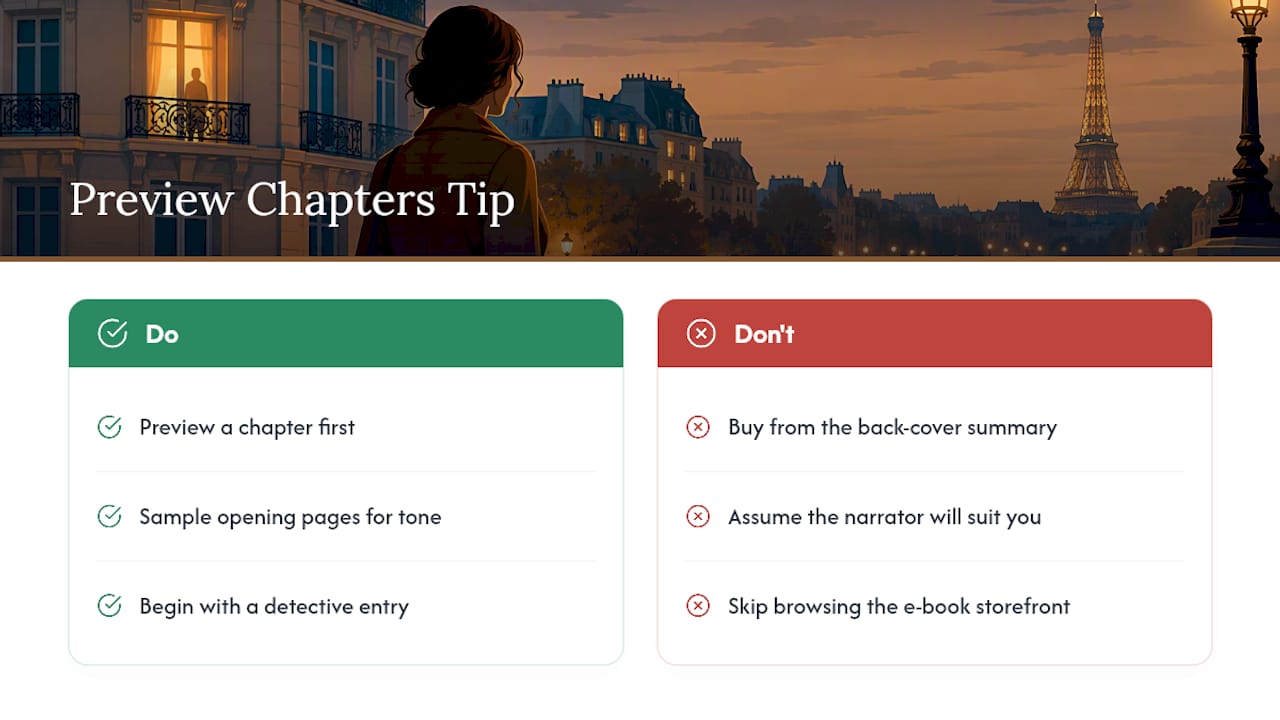
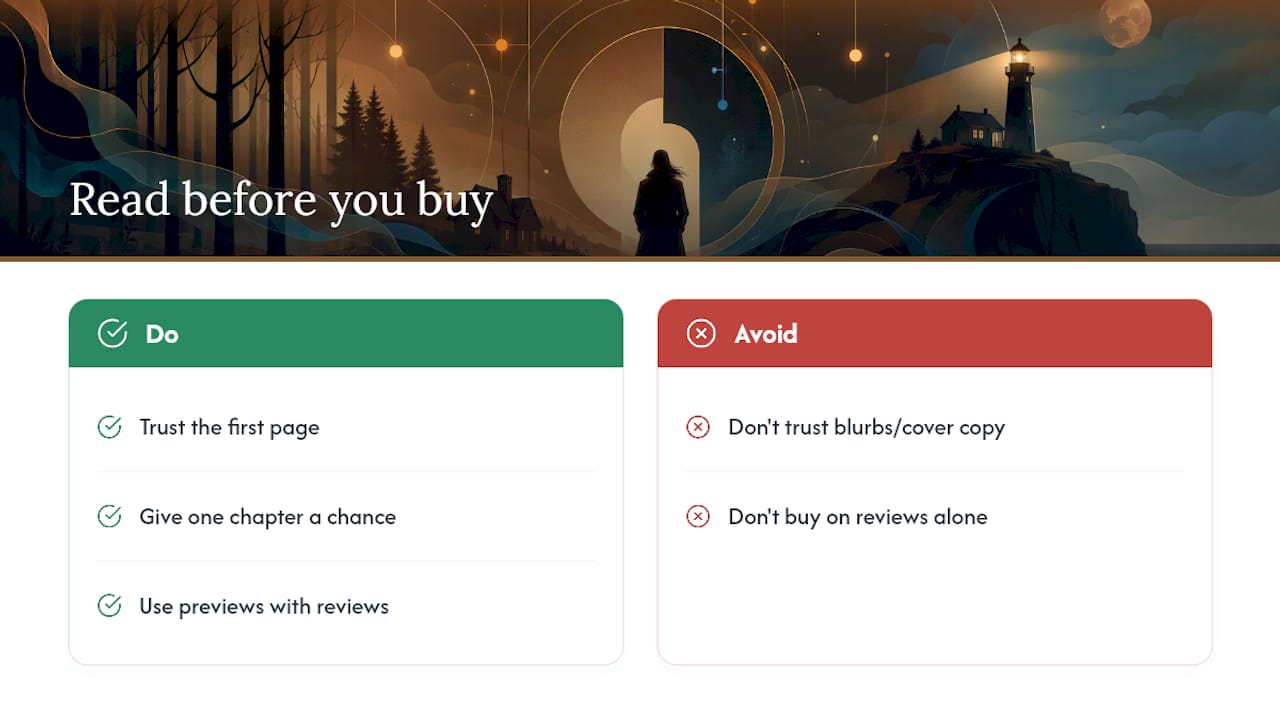
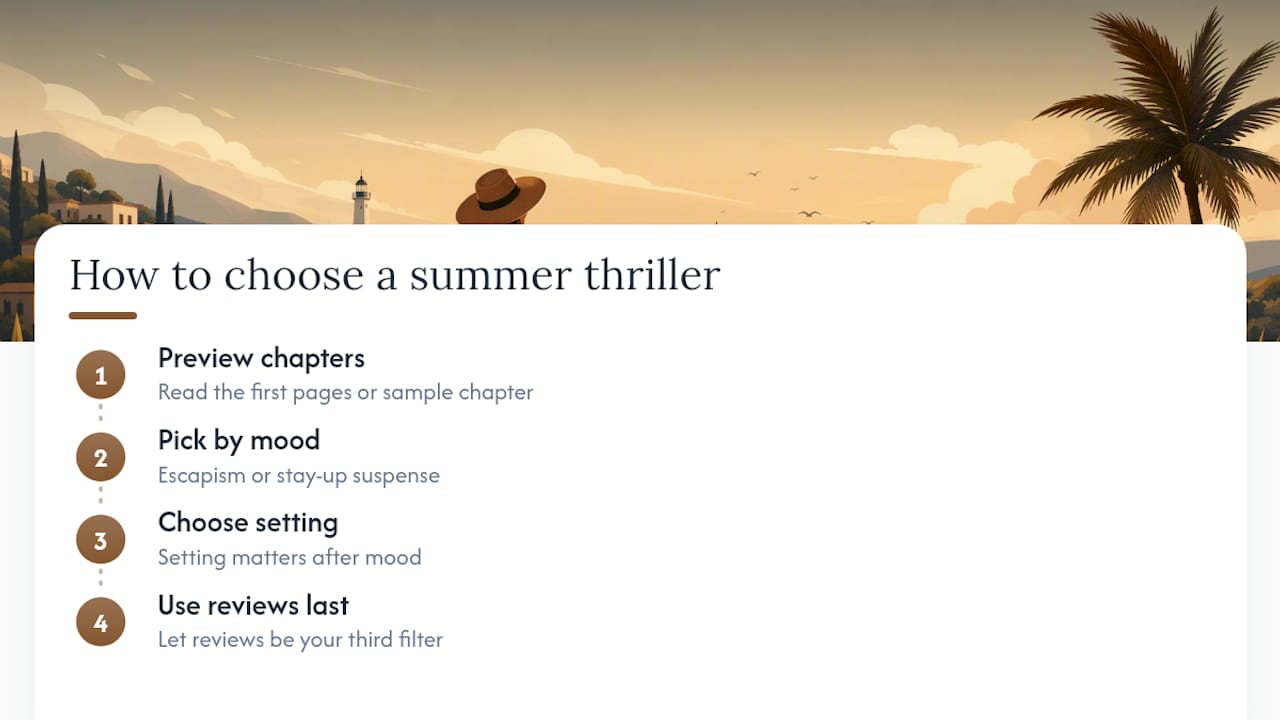
  • Preview chapters or the first 20 to 30 pages can help determine if a book’s tone or narrator style aligns with your preferences before committing.
  • The genre’s roots trace back to gothic fiction and early 20th-century works exploring inner worlds, with modern branches including domestic suspense and gothic revival.
  • Recurring motifs such as madness, trauma, and subtle uncanny elements reflect core anxieties about perception, identity, and mental stability.
  • Choosing between quiet slow-burns and intense short shocks depends on your mood, with shorter works fitting for quick scares and longer novels fostering lingering unease.

Thrillerhorrorsuspense
thrillerhorrorsuspense.store
Preview Your Next Psychological Horror Read
Browse exclusive digital horror, thriller, and suspense titles, then preview chapters before choosing your next unsettling story.

Browse psychological horror books

Table of Contents

2. Why these books actually get under your skin

Psychological horror does not need ghosts or monsters to work, because it targets internal states directly. The genre relies on internal fear and unreliable narration rather than external threats, which is part of why it overlaps so heavily with psychological thrillers. A narrator who might be lying, mistaken, or losing their grip forces you to do the interpretive work yourself, and that work is where the dread lives.

A scoping review of horror and suspense mechanisms in literary fiction identifies a small set of techniques that show up again and again in the books above:

  • Unreliable narration, which withholds the narrator’s own trustworthiness as information.
  • Delayed disclosure, where key facts arrive late and reframe everything read before them.
  • Multisensory description, which grounds abstract dread in physical sensation.
  • Fragmented or typographic devices, seen most clearly in House of Leaves, that force active reconstruction of events rather than passive reading.

The same review notes that these techniques are not just literary tricks. Neuroimaging studies cited in the review indicate that suspenseful literary passages often engage distributed neural fear networks, according to the scoping review, which helps explain why a well-built slow burn can produce a real physical response, not just an intellectual one.

Narratology scholarship backs this up from a different angle. Analysis of unreliable narration in works like The Turn of the Screw traces how different types of unreliability create distinct effects on readers, from simple doubt to sustained paranoia.

Unreliable narration has long been used to create ambiguity and reader doubt.

That ambiguity is not a flaw in these books. It is the mechanism.

3. How to pick the right psychological horror book for you

Matching the book to your mood matters more in this genre than in most, since a slow-burn novel and a short shock story deliver very different experiences.

  1. Decide how intense you want it: a quiet unraveling like The Bell Jar, or a full breakdown like The Shining.
  2. Choose your narrator type: reliable witness, openly unstable, or deliberately deceptive.
  3. Pick your length: novellas and short novels for one sitting, longer novels for lingering unease across several nights.
  4. Consider your triggers, since several titles above deal directly with self-harm, violence, or mental illness.
  5. Use a preview chapter to test tone and narrator voice before committing to a full book.

Pro Tip: Read the first 20 to 30 pages, or a publisher’s preview chapter, before buying. That’s usually enough to tell whether a narrator’s voice will hook you or wear you down.

If you want something you can finish tonight, reach for a novella. If you want a book that follows you around for a week, pick a slow-burn.

4. Where psychological horror came from

Psychological horror grew out of gothic fiction’s fascination with confinement and decaying inheritance, then narrowed its focus from haunted houses to haunted minds. Henry James’s The Turn of the Screw and Charlotte Perkins Gilman’s The Yellow Wallpaper, both from the turn of the twentieth century, moved horror inward, using domestic settings and unreliable perception instead of external monsters.

The mid-twentieth century brought Shirley Jackson, whose work treated isolation and social suspicion as horror engines in their own right. Later, writers like Thomas Harris and Bret Easton Ellis pulled psychological horror into crime fiction, embedding it inside procedurals and character studies rather than ghost stories.

By the 1990s and 2000s, the genre had split into recognizable branches: domestic suspense (Gillian Flynn, Paula Hawkins), literary experimentation (Mark Z. Danielewski), and gothic revival (Sarah Waters). Each branch kept the same core commitment: the scariest thing in the room is usually a mind you cannot fully trust, sometimes your own.

5. The themes that keep showing up

A handful of motifs recur across nearly every book on this list, which is part of what makes them recognizable as a genre rather than a loose collection of scary stories.

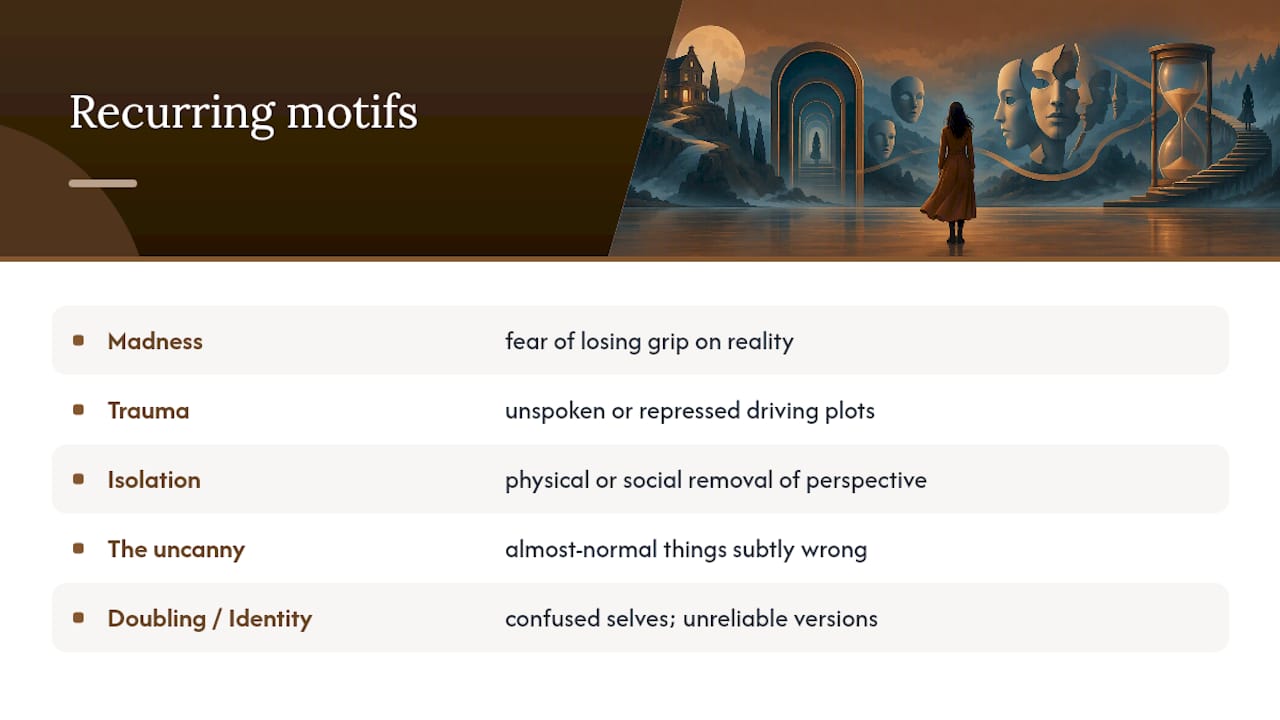
Madness and the fear of losing one’s grip on reality anchor books like The Yellow Wallpaper and The Shining. Trauma, often unspoken or repressed, drives the plots of Sharp Objects and We Need to Talk About Kevin, where the horror comes from what a character cannot bring themselves to say directly. Isolation, whether physical (a snowbound hotel, a remote estate) or social (a family shunned by its town, as in We Have Always Lived in the Castle), removes the safety net of outside perspective.

The uncanny, that sense of something almost normal but subtly wrong, shows up in houses that are larger inside than outside, wallpaper patterns that move, and neighbors who might not be who they claim. Doubling and identity confusion appear in American Psycho and Fingersmith, where you are never fully sure which version of a character to believe. These motifs recur because they map onto real anxieties: about your own mind, your own family, and your own perception.
5. The themes that keep showing up — overview diagram

6. Why these stories get under readers’ skin

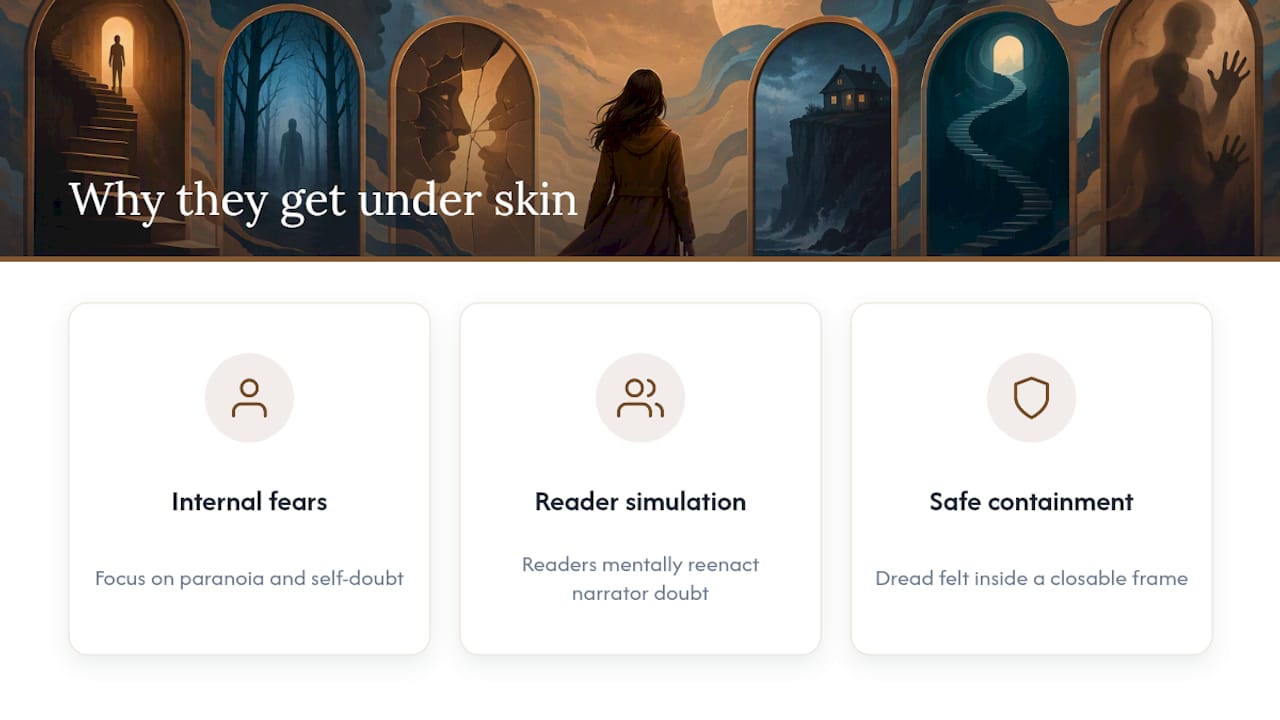
The discomfort psychological horror produces is not incidental. The genre’s core appeal lies in exploring internal fears, suspicion, paranoia, and self-doubt, rather than external monsters, which explains why an unreliable narrator can feel more threatening than a masked killer.

This works because reading forces a kind of simulation. When a narrator’s account starts to fracture, you are not just observing a character’s paranoia, you are running a version of it yourself, checking earlier chapters, doubting your own read of events. That is a big part of why the scoping review on narrative mechanisms links suspenseful passages to fear-network activation rather than treating the response as purely intellectual.

There is also a controlled-exposure element. Psychological horror lets you sit with feelings, dread, helplessness, moral discomfort, inside a frame you can close at any time. That containment is part of the appeal for readers who would never seek out those feelings in real life but find them compelling on the page, where the ending is always a few pages away and the book can be shut whenever it gets too close.
6. Why these stories get under readers' skin — overview diagram

7. How psychological horror differs from its neighbors

Psychological horror shares shelf space with supernatural horror, thriller, and gothic fiction, but the mechanics differ in ways worth knowing before you pick your next read.

Supernatural horror locates its threat outside the character, in a ghost, curse, or entity whose existence is usually confirmed by the story. Psychological horror often leaves that question open, or removes the supernatural element entirely, placing the threat inside a character’s perception instead. The Turn of the Screw sits right on that line, which is part of why it has stayed debated for so long.

Thrillers prioritize plot momentum and external stakes, chases, ticking clocks, procedural reveals, even when they borrow psychological horror’s unreliable narrators, as Gone Girl and The Girl on the Train both do. The horror version slows down and lingers on interior states rather than racing toward a resolution.

Gothic fiction supplies much of psychological horror’s imagery, decaying houses, isolated settings, inherited guilt, but gothic stories often resolve their mysteries with a clear supernatural or rational explanation. Psychological horror is more willing to leave you without one.

8. How these books shaped film, television, and culture

Psychological horror’s fingerprints are all over adaptation history. The Silence of the Lambs became an Oscar-winning film that helped define the modern psychological thriller on screen, while The Shining’s film adaptation introduced imagery, the hedge maze, the twins, that now circulates independently of King’s novel. Gone Girl’s film adaptation brought its structural twist to a mainstream audience that might never have picked up the book.

The Haunting of Hill House lent its title and premise to a television adaptation that reinterpreted Jackson’s haunted family through a modern lens, while Sharp Objects became a limited series built almost entirely on its slow-burn trauma reveal. These adaptations tend to work best when they preserve the ambiguity that made the source material unsettling in the first place, rather than resolving it for the screen.

Beyond direct adaptations, the genre’s techniques, unreliable narration, delayed disclosure, domestic settings turned threatening, have become standard tools in prestige television and film more broadly, well outside anything based on a specific book.

9. Curating this list means protecting the reading experience

Putting a list like this together means balancing eras, intensities, and narrator types rather than just stacking well-known titles. The goal is a shelf that works whether you want a single-sitting shock or a week-long slow burn, with classics and moderns given equal weight rather than treating older titles as obligatory homework.

A good pairing to try: read The Yellow Wallpaper first, then Rebecca, to feel the genre move from a single confined room to a house-sized version of the same dread. Preview chapters help here too. Sampling a narrator’s voice before committing tells you more about fit than any summary can.

— lorraine

10. Preview before you commit with ThrillerHorrorSuspense.store

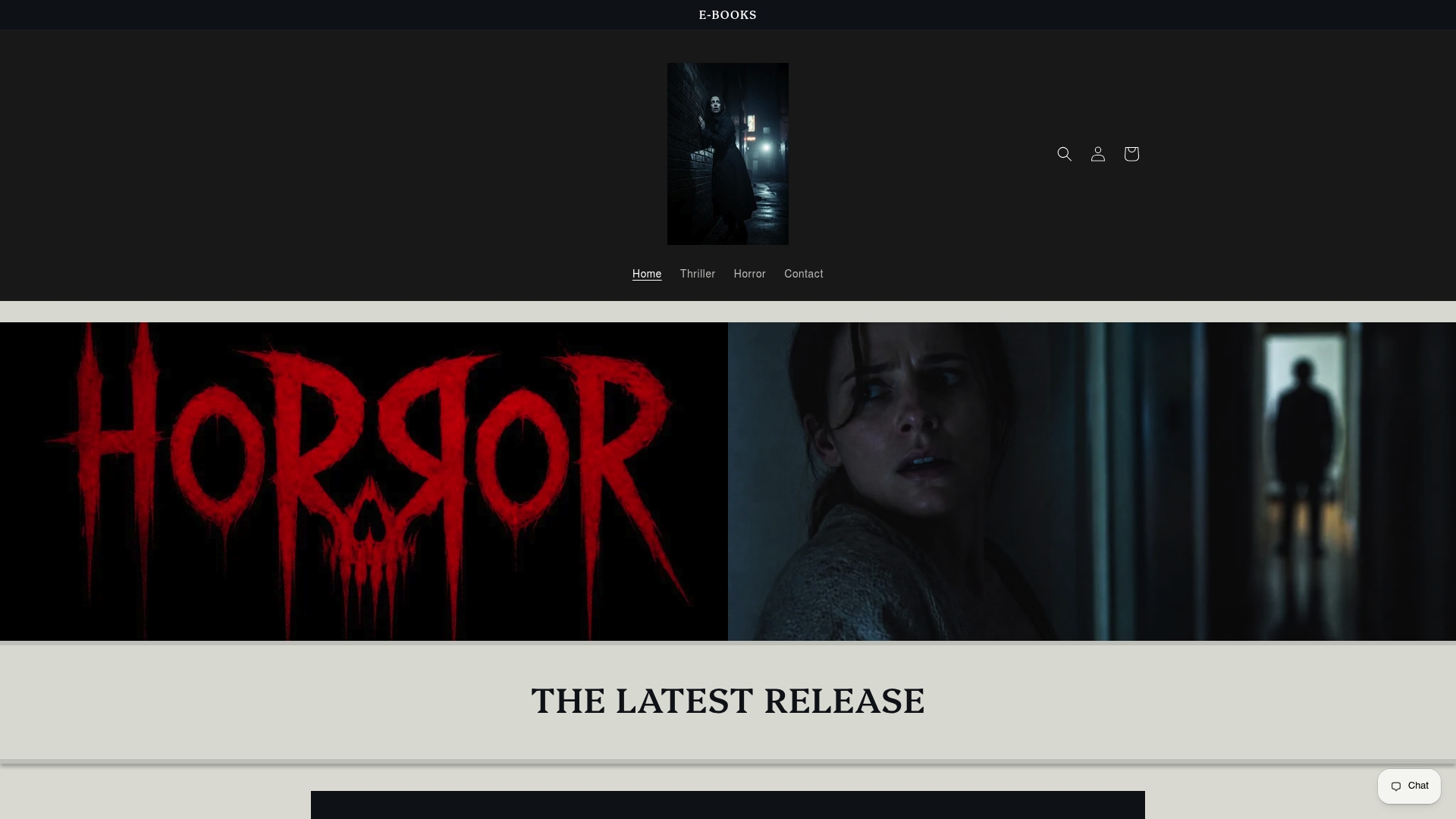
Buying a psychological horror ebook blind is a real risk in a genre built on narrator trust, since a voice that doesn’t land in the first chapter rarely improves by chapter ten. ThrillerHorrorSuspense.store’s E-BOOKS catalog lets you preview chapters before you buy, so you can test a narrator’s tone against your own patience for ambiguity first.
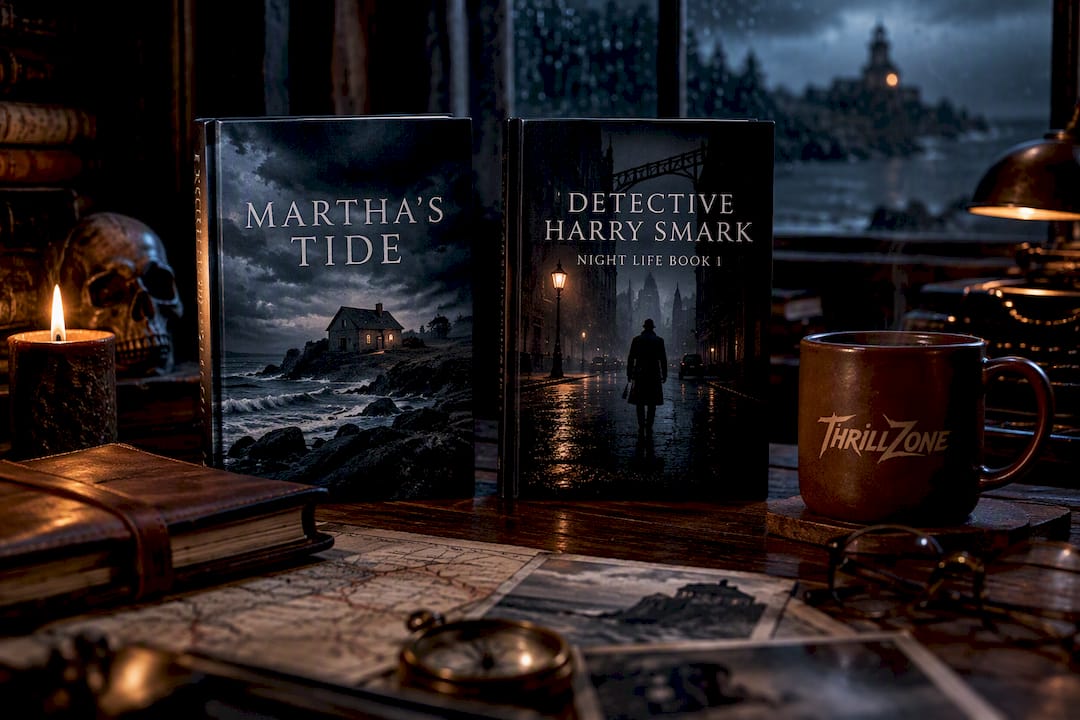
Martha's Tide

Two originals from the catalog fit directly into the reading-experience framework above:

  • Martha’s Tide delivers slow-burn coastal dread for readers who want atmosphere over shock.
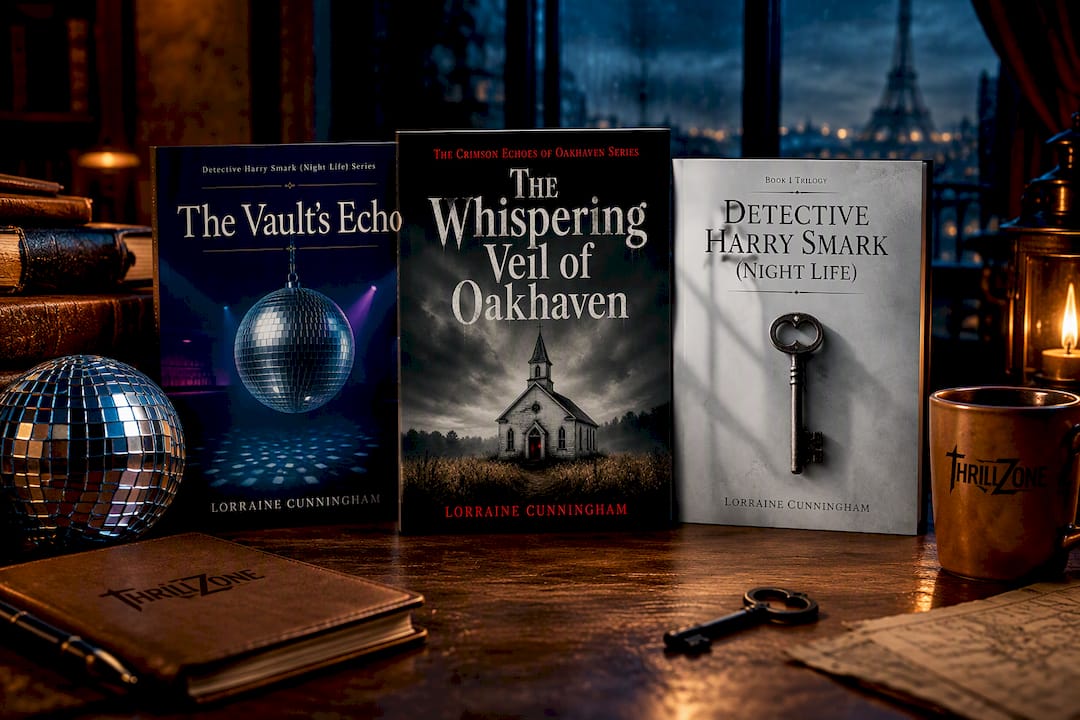
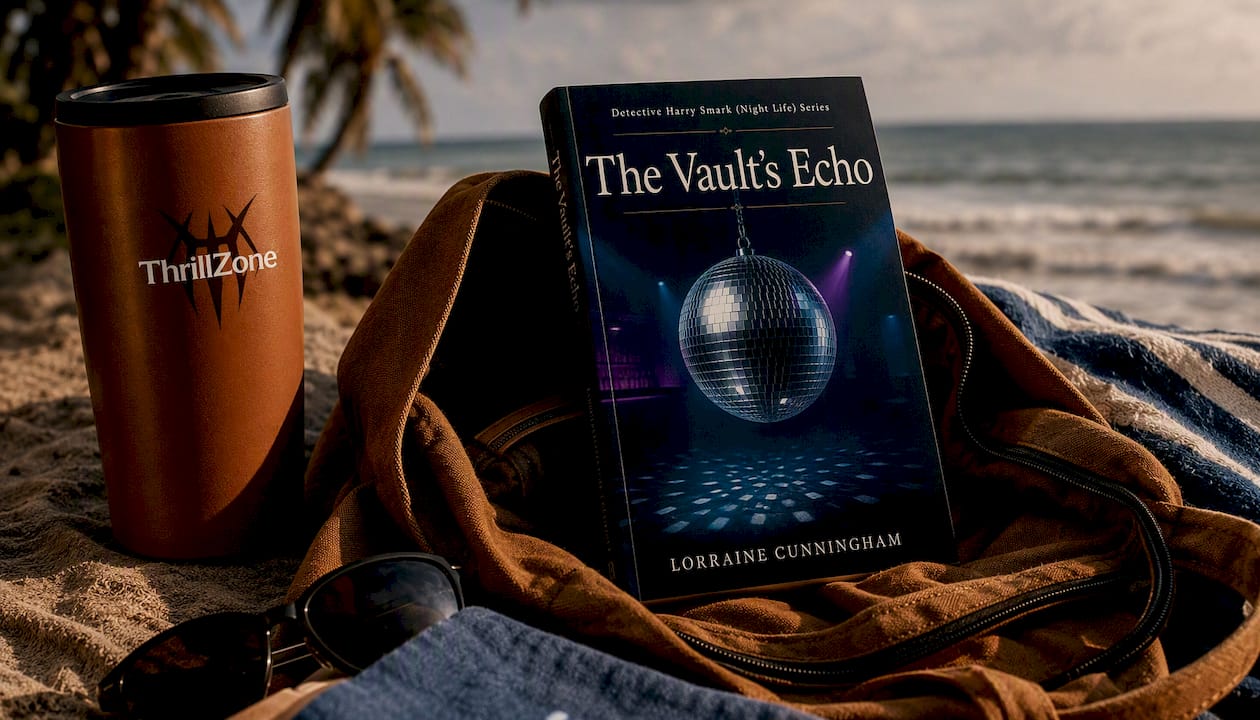
  • Detective Harry Smark (Night Life Book 1) pairs procedural tension with a narrator whose grip on the case starts to slip.

Beyond these two, the site organizes its Thriller and Horror collections by genre, so you can browse adjacent titles once you know which kind of dread you’re chasing. Preview a chapter, then buy the ebook when the voice hooks you.

FAQ

What is considered the scariest book ever written?

There is no single agreed-upon answer, since “scariest” depends heavily on what unsettles a given reader. Within psychological horror specifically, The Turn of the Screw and The Yellow Wallpaper are frequently cited as foundational, unsettling texts because of their unresolved ambiguity.

What is the scariest psychological horror book?

Critics and curated lists commonly point to Shirley Jackson’s We Have Always Lived in the Castle and Mark Z. Danielewski’s House of Leaves for their sustained atmosphere and structural experimentation. Both rely on slow-building dread and reader participation rather than sudden shocks.

What are the top psychological horror books to read?

A strong starting shelf includes The Yellow Wallpaper and The Turn of the Screw as classics, Gone Girl and The Silence of the Lambs as modern benchmarks, and House of Leaves for readers who want a structural experiment. The full list above groups these by reading experience so you can match tone to mood.

What is the best dark psychological thriller book?

Gone Girl is widely treated as a modern benchmark for narrative mastery in this space, thanks to its structural twist and unreliable dual narrators. Sharp Objects is a strong alternative for readers who want trauma-driven dread over plot mechanics.

Where can I read a preview before buying a psychological horror ebook?

ThrillerHorrorSuspense.store offers preview chapters on its original titles, including Martha’s Tide and Detective Harry Smark (Night Life Book 1), through its E-BOOKS catalog. Sampling a chapter first lets you test the narrator’s voice before you commit to the full book.

10 Mood Driven Books for Mexican Gothic Fans and a 5 Minute Checklist

Start with these three: pick up The Hacienda by Isabel Cañas for a haunted-estate story with the same eugenics-and-colonial-power undercurrent Publishers Weekly flagged in Mexican Gothic; grab Certain Dark Things if you want the folkloric rot of Silvia Moreno-Garcia’s own back catalog; and reach for White Is for Witching when you want a claustrophobic, unreliable narrator instead of a haunted house. A full annotated list, a mood map, and a quick-pick checklist follow below.


TL;DR:

  • The books most similar to Mexican Gothic often feature decaying estates, colonial critique, and unreliable or resourceful protagonists, with themes of folklore, body horror, or psychological ambiguity.
  • The Hacienda and The Haunting of Hill House are core classics emphasizing atmospheric dread and haunted houses, while White Is for Witching explores mental unraveling and internal horror.
  • Short-story collections like Her Body and Other Parties provide comparable mood and folklore without the full-length commitment, ideal for quick dips into gothic tension.
  • Readers should consider their preferred tone—slow-burn versus immediate chills, supernatural versus psychological—before choosing a book, as themes and pacing vary widely.
  • Sampling chapters or stories beforehand helps determine if the style and pace align with individual tastes, especially given the genre’s emphasis on atmosphere over fast scares.

Thrillerhorrorsuspense
Find Your Next Dark Read
Explore digital horror, thriller, and suspense e-books with exclusive chapters to help you sample stories before buying.

Explore the collection

Table of Contents

10 Books Similar to Mexican Gothic Worth Reading Next

Mexican Gothic works because it fuses three things: a decaying estate with a will of its own, a heroine who refuses to play victim, and a horror rooted in colonial and eugenicist history rather than a generic curse. The books below hit at least two of those notes, and a few nail all three.

  • The Hacienda by Isabel Cañas. Publishers Weekly called it “Mexican Gothic meets Rebecca”, and the comparison holds up. A newlywed moves into a haunted hacienda in postindependence Mexico, where folk rituals involving copal smoke and painted glyphs collide with a house that seems to breathe. Best for readers who want the haunted-estate formula with heavier folk-magic texture.

  • Certain Dark Things by Silvia Moreno-Garcia. If you want more of the author herself but a different flavor, this vampire noir set in Mexico City swaps the manor for urban grit while keeping the same interest in myth colliding with modern life. Best for readers who loved Moreno-Garcia’s voice more than the haunted-house trappings specifically.

  • White Is for Witching by Helen Oyeyemi. A house with a mind of its own, an unreliable narrator prone to eating chalk and dirt, and a family curse that reads more like inherited trauma than supernatural cliché. The Eisenhower Library recommends it specifically for fans wanting a strong, uneasy female perspective. Best for readers drawn to Noemí’s psychological unraveling more than the ghost-hunting plot.

  • Her Body and Other Parties by Carmen Maria Machado. A short-story collection rather than a novel, but the body-horror and folkloric threads feel like Mexican Gothic distilled into smaller, sharper doses. The Eisenhower Library flags this as a strong companion pick for the same reason. Best for readers who want the mood without a 300-page commitment.

  • The Haunting of Hill House by Shirley Jackson. The genre’s reference point. This is the haunted house that taught every later writer, including Moreno-Garcia, how a building can gaslight its occupants. It appeared on 14 separate top-horror lists in one analysis of influential Gothic novels. Best for readers who want the classic before the modern reworkings.

  • Mexican Gothic’s own thematic cousins in Rebecca by Daphne du Maurier. The unnamed narrator, the domineering house, the dead first wife whose shadow won’t lift. This is the Gothic template Moreno-Garcia was consciously riffing on. Best for readers who want the source code for the “new wife in an old house” plot.

  • The Beautiful Ones or Gods of Jade and Shadow, both by Silvia Moreno-Garcia. For readers who simply want more from the same author, these lean further into fantasy and Mexican folklore than horror, but the prose style and setting sensibility carry over directly. Best for completionists working through her catalog in order.

  • The Death of Jane Lawrence by Caitlin Starling. A marriage-of-convenience plot that turns into body horror inside a house that reshapes itself at night. It shares Mexican Gothic’s interest in a bride discovering her husband’s family harbors something monstrous. Best for readers who want more visceral, less restrained horror.

  • Mexican folklore reworked in short fiction anthologies like those curated by public library programs. The Chicago Public Library’s “If You Liked Mexican Gothic” list draws heavily from titles that braid postcolonial critique into haunted-place stories, a useful hunting ground once you’ve cleared the novels above. Best for readers who want to keep discovering beyond any single list.

  • Plain Bad Heroines by Emily M. Danforth. A boarding school cursed by a decades-old tragedy, told across two timelines, with the same slow accumulation of dread Mexican Gothic uses before its final act. Best for readers who like their Gothic dread spread across a longer, twistier structure.

Why These Picks Feel Like Mexican Gothic

Five traits separate a book that merely has a spooky cover from one that actually delivers the Mexican Gothic experience. Matching your favorite element to the right pick beats grabbing whatever tops a generic “best horror” list.

  • Atmosphere and dread style. Mexican Gothic builds dread through mold, mushrooms, and a house that seems to metabolize its inhabitants, rather than jump scares. The Hacienda and White Is for Witching both use that slow, organic creep. FiveBooks’ commentary on the genre notes that Gothic horror runs on atmosphere and psychological repression more than any fixed set of props, which is exactly why a smoggy city or a family curse can feel just as Gothic as a crumbling manor.

  • Setting: house versus town versus interior. If the manor itself is the draw, go with The Hacienda or The Haunting of Hill House. If you want the dread turned inward, White Is for Witching and The Death of Jane Lawrence trap you inside a narrator’s head as much as inside a building.

  • Lead character type. Noemí Taboada is a resourceful heroine who investigates rather than flees. The Hacienda’s Beatriz plays the same role. White Is for Witching instead gives you an unreliable narrator, which changes the whole reading experience from investigation to disorientation.

  • Supernatural versus psychological ambiguity. Publishers Weekly’s review notes Mexican Gothic’s engagement with eugenics and colonial power sitting underneath its literal haunting, so the horror never feels purely metaphorical or purely supernatural. Her Body and Other Parties leans further toward ambiguity; The Hacienda leans further toward the literal.

  • Tone and pacing. Mexican Gothic takes its time before the final third accelerates hard. Plain Bad Heroines matches that slow build across a longer page count, while Machado’s stories deliver the same dread in a fraction of the time.

Which Gothic Mood Fits You Tonight?

Pick by mood before you pick by title. Four buckets cover most of what Mexican Gothic fans go looking for next.

  1. Slow-burn, claustrophobic Gothic. Expect a single location, a narrator you can’t fully trust, and dread that builds room by room. Try White Is for Witching or The Death of Jane Lawrence.

  2. Folkloric and uncanny Gothic. Expect myth, ritual, and colonial history woven into the haunting itself. Try The Hacienda or Certain Dark Things.

  3. Short-story chills. Expect the same themes in twenty-page bursts, ideal for commutes or bedtime reading in small doses. Try Her Body and Other Parties.

  4. Literary, classic-leaning Gothic. Expect denser prose and a slower payoff, rewarding patient readers. Try The Haunting of Hill House or Rebecca.

Pro Tip: Before committing to a 350-page novel, read one short story by the same author or a sample chapter if the retailer offers one. It tells you in ten minutes whether the prose rhythm actually works for you.

A light content note: several of these books include body horror, colonial violence, or sexual content, so if you’re sensitive to any of that, skim a review before diving into The Hacienda or The Death of Jane Lawrence in particular.

Illustration of screening book content warnings

How to Pick Your Next Read in Five Minutes

Run through this before you buy or borrow anything:

  • How much time do you have? A weekend calls for Her Body and Other Parties; a two-week binge suits Plain Bad Heroines or The Hacienda.
  • How intense do you want it? The Death of Jane Lawrence and The Hacienda go further into body horror than White Is for Witching or Rebecca.
  • Do you want folklore and colonial critique front and center, or more implied? The Hacienda and Certain Dark Things foreground it; The Haunting of Hill House barely touches it.
  • Do you prefer a narrator you can trust or one you can’t? Noemí-style investigators fit The Hacienda; unreliable narrators fit White Is for Witching.

Sampling matters more than any checklist. Read the first chapter free through a library app, check an audiobook sample for pacing, or look for a short story by the same author before buying the novel outright.

An Editor’s Take on the Modern Gothic Boom

Gothic fiction is having a real moment, and it is not a fluke. Readers who grew tired of formulaic slasher horror are gravitating toward stories where the house, the family history, and the political rot underneath all do the scaring. What strikes me most, curating horror and thriller titles for a living, is how much readers value sampling before committing. A cover and a blurb tell you almost nothing about whether a book’s rhythm will hook you. Letting readers preview a chapter before they buy solves a real problem: too many atmospheric novels promise dread and deliver only slow pacing that never pays off.

— lorraine

From Our Catalog: An Atmospheric Pick Worth Sampling

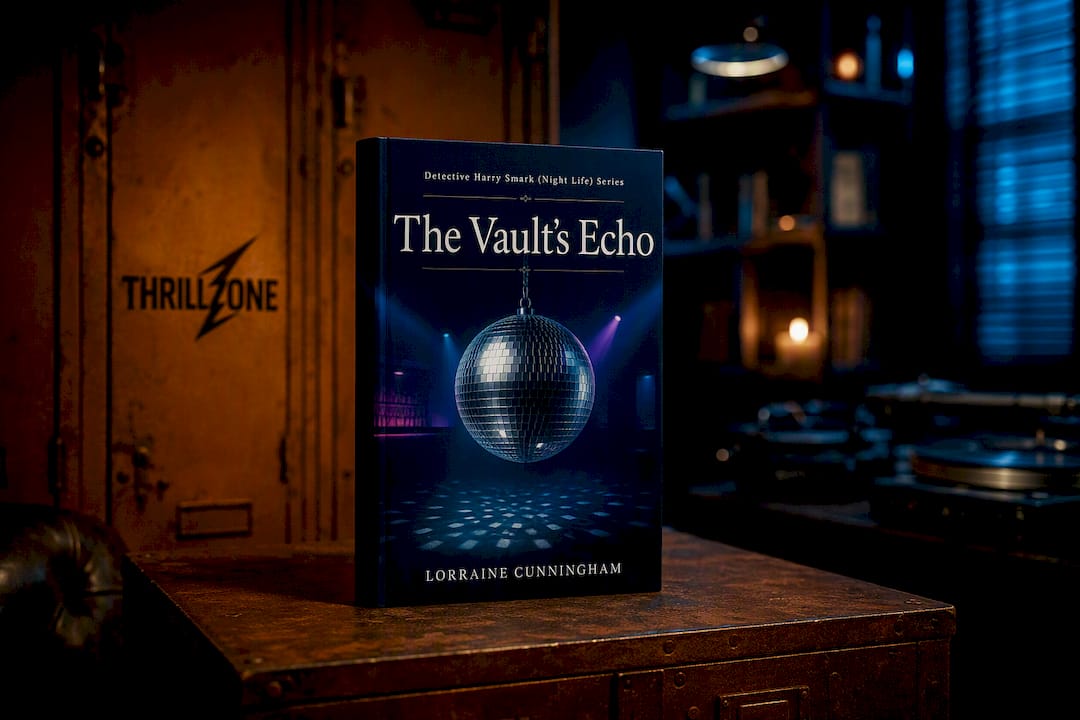
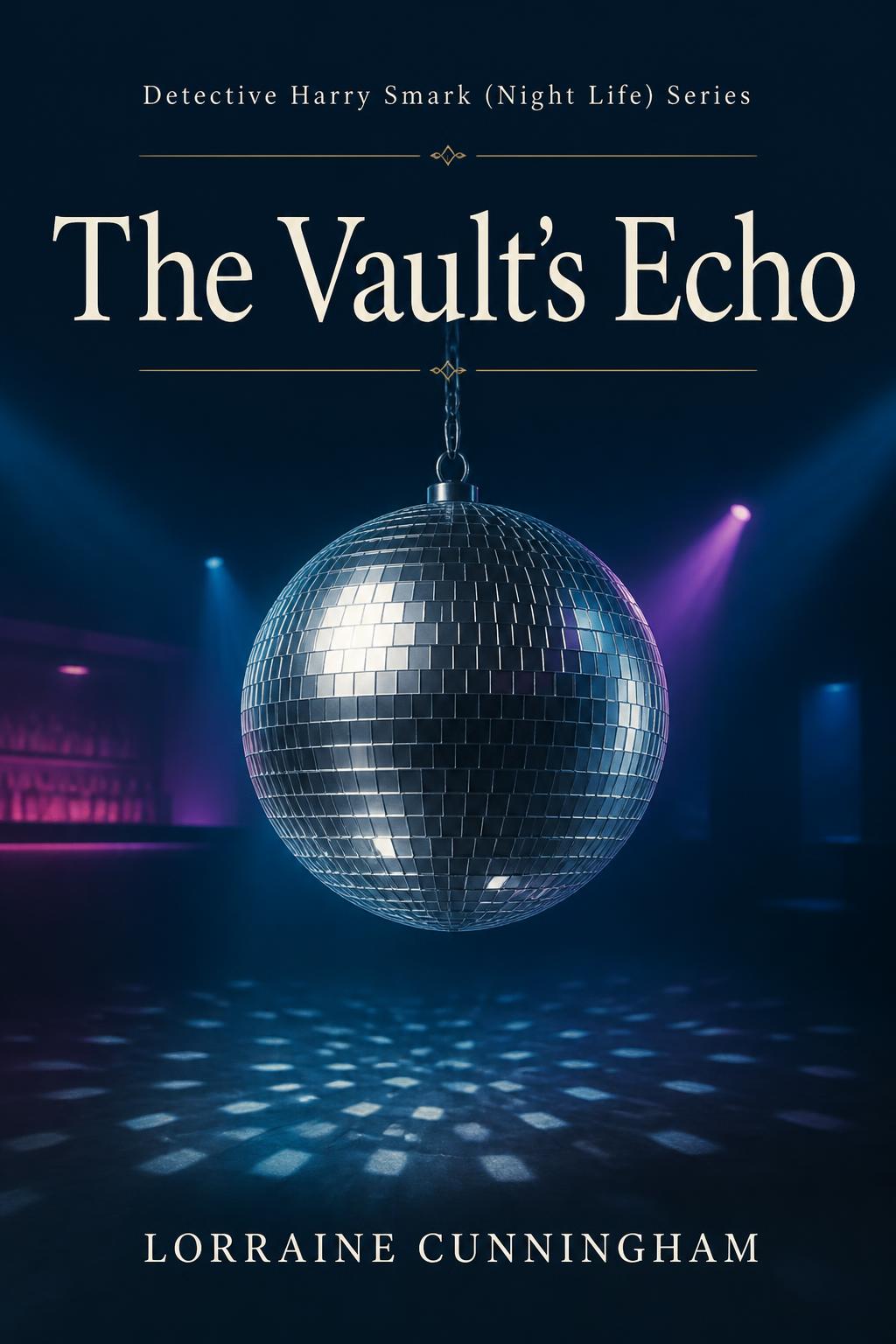
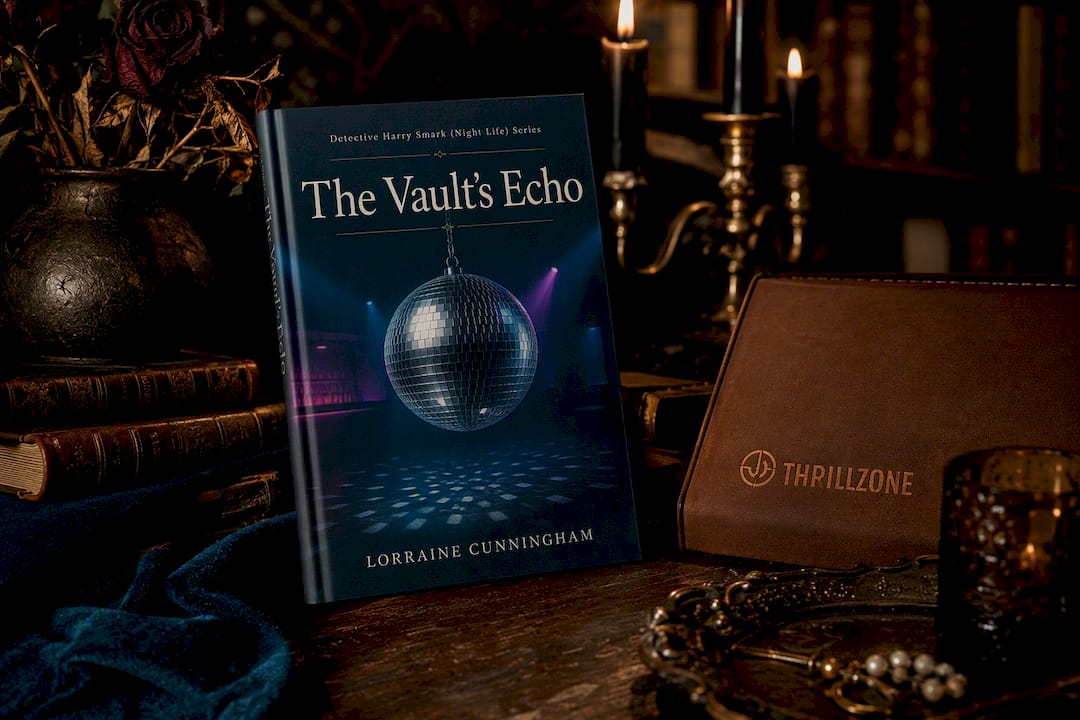
If you’ve worked through the list above and still want more dread in your queue, Some retailers offer a free preview chapter before purchase. This allows readers to sample the book first. Detective Harry Smark (The Vault’s Echo Book 2) is a good next stop for Mexican Gothic fans who want atmospheric suspense with a slow-building sense of dread rather than jump scares.

Detective Harry Smark (The Vault's Echo Book 2)

This is a clearly labeled in-catalog option, separate from the editorial picks above, and it sits in a broader Horror collection if the tone fits and you want to keep browsing. Read the free sample chapter first. If the voice and pacing pull you in the way Noemí’s investigation did, download the full e-book straight from the store’s e-book catalog and start reading tonight.

Sources

FAQ

What is considered the scariest novel ever written?

There’s no single agreed-upon answer, but Shirley Jackson’s The Haunting of Hill House shows up on more expert horror lists than almost any other title, appearing on 14 separate top-horror rankings in one analysis. Stephen King’s IT tends to win popular reader votes instead, which shows the split between critical and popular consensus on horror’s scariest book.

What genre is the book Mexican Gothic?

Mexican Gothic is a Gothic horror novel set in 1950s Mexico, built around a haunted-house plot with body horror and colonial themes woven throughout, according to Publishers Weekly. It blends historical fiction, horror, and Gothic romance conventions rather than sitting cleanly in just one bucket.

What are the top gothic novels for new readers?

There’s no fixed top five, but a strong starter set includes The Haunting of Hill House, Rebecca, Mexican Gothic, The Hacienda, and White Is for Witching. Each one demonstrates a different flavor of Gothic dread, from classic haunted house to folkloric postcolonial horror to psychological unreliability.

Is Mexican Gothic a spicy book?

Mexican Gothic includes some sensuality and body horror, but it is not primarily a romance novel and doesn’t carry the explicit heat level readers might expect from the “spicy” label. The horror and colonial-history elements dominate the plot far more than any romantic subplot.

What should I read if I loved Mexican Gothic’s setting?

If the decaying High Place estate was your favorite part, The Hacienda delivers the closest match with its own haunted hacienda and folk-magic rituals. For a psychological alternative to the haunted house itself, White Is for Witching swaps the estate for a narrator whose mind is just as unstable as any building.

10 Foley Style Thrillers Like The Paris Apartment: Preview Chapters

If you tore through Lucy Foley’s locked-building thriller and need what’s next, start with The Guest List, Lock Every Door, and The Woman in Cabin 10, then round out your stack with In a Dark, Dark Wood and The Family Upstairs. Each one shares the same engine: a claustrophobic setting, multiple unreliable narrators, and a slow-building dread that pays off in a twist you don’t see coming. Publishers Weekly and read-alike curators like SimilarToBooks point to the same cluster of titles, and you can preview chapters of comparable thrillers at ThrillerHorrorSuspense.store before committing to a purchase.


TL;DR:

  • These thrillers share a central concealed location, such as an apartment building or island, that becomes a character itself generating suspense.
  • Multi-POV narrations are common, with each character revealing only a fragment of the truth and keeping readers guessing about who is lying or trustworthy.
  • Fast-paced books like Lock Every Door and In a Dark, Dark Wood deliver quicker payoffs, while slower ones like The Family Upstairs reward patience with layered reveals.
  • Preview chapters are available for these titles, helping readers assess tone, pacing, and narrator voices before committing to a purchase.
  • The preferred read depends on whether you want more twists, atmospheric mood, or specific setting-driven tension, matching your mood and reading style.

Thrillerhorrorsuspense
Preview Your Next Thriller
Browse exclusive chapters and discover digital horror, thriller, and suspense titles before deciding which story belongs on your reading list.

Table of Contents

Books Like The Paris Apartment: The Full Read-Alike Shortlist

Foley’s novel works because the building itself acts like a character. Four floors, four suspicious tenants, one missing woman, and a narrator who can’t be fully trusted. Publishers Weekly’s review calls out exactly this structure: a Paris apartment building doubling as a cast of suspects, with a protagonist digging for a relative who’s vanished. The ten books below hit the same notes in different keys.

  1. The Guest List by Lucy Foley. A wedding on a remote Irish island turns fatal when the tide cuts off escape and old grudges surface among the guests. Foley’s own earlier closed-circle novel, and arguably the tightest structure she’s written. Best if you want the multi-POV format without leaving her catalog.

  2. Lock Every Door by Riley Sager. A young woman takes a suspiciously well-paid apartment-sitting gig in a Manhattan building where something is clearly wrong with the other residents. The vertical, single-building claustrophobia mirrors Foley’s Paris setting almost exactly. Best if you want a faster page-turner with fewer narrators to track.

  3. The Woman in Cabin 10 by Ruth Ware. A journalist on a luxury cruise witnesses a woman thrown overboard, then can’t prove the passenger ever existed. Same gaslighting dread as Foley’s unreliable narrators, just on water instead of in a stairwell. Best if you like isolation without a rotating cast of suspects.

  4. In a Dark, Dark Wood by Ruth Ware. A hen weekend at a glass house in the woods reunites old friends with buried resentments before a death fractures the group. This is Ware’s debut closed-circle setup and reads faster than her later books. Best if you want a shorter commitment with the same social-tension formula.

  5. An Anonymous Girl by Greer Hendricks and Sarah Pekkanen. A psychology study spirals into manipulation and blackmail, told across two shifting perspectives. Less building-as-character, more psychological chess match. Best if you’re drawn to Foley’s unreliable narration more than her setting.

  6. The Twyford Code by Janice Hallett. A convicted criminal chases a childhood mystery tied to a coded children’s book, told through transcribed voice memos. Structurally the boldest pick here and a strong choice if you want something that breaks from straight prose. Best if you liked the puzzle-box feel of piecing together Foley’s timeline.

  7. Her Every Fear by Peter Swanson. An apartment swap between cousins in Boston and London ends with a murdered neighbor and a protagonist who can’t tell who to trust in the building. About as close a structural cousin to The Paris Apartment as you’ll find. Best if the apartment-as-crime-scene hook was your favorite part.

  8. The Family Upstairs by Lisa Jewell. A woman inherits a London mansion tied to a childhood she can’t remember, and the house’s past residents turn out to be far darker than expected. Multi-generational and multi-POV, with a slower burn than most on this list. Best if you have patience for a longer setup with a bigger payoff.

  9. Detective Harry Smark (Night Life Book 1) from Thrillerhorrorsuspense. A gritty, neighborhood-anchored detective mystery for readers who liked the urban unease of Foley’s Paris streets more than the locked-room puzzle itself. Best if you want a grounded investigator’s-eye view instead of amateur narrators.

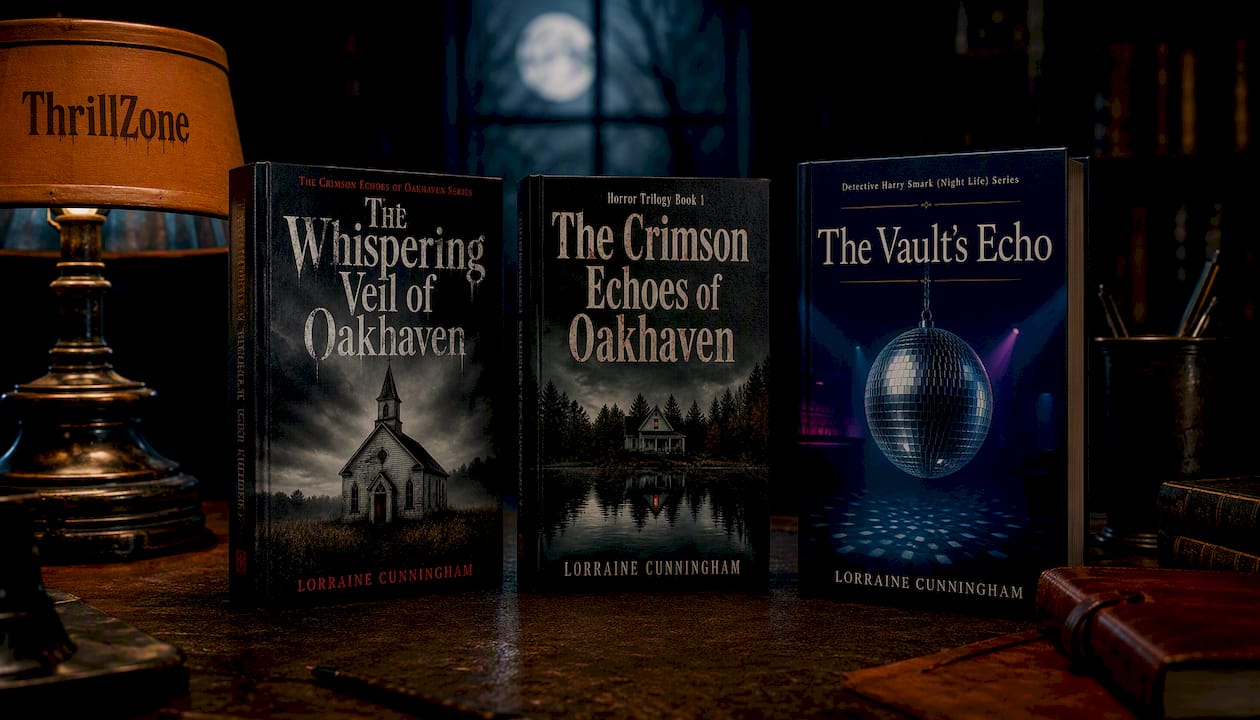
  10. The Whispering Veil Of Oakhaven (Series Book 2) from ThrillerHorrorSuspense.store. An atmospheric, setting-driven suspense pick for readers who want the mood and slow dread of a place with secrets, minus the apartment-building mechanics. Best if the setting itself is what hooked you on Foley’s Paris.

What Makes These Books Feel Like The Paris Apartment

Two structural terms explain almost everything on that list. A closed-circle thriller traps a fixed group of suspects in one location, so the killer is always someone already on the page. A setting-as-character thriller goes further and makes the location itself generate suspense, the way Foley’s building does with its creaking stairwells and thin walls. ThrillerRanked’s genre breakdown splits these into two camps: “neighbor-paranoia” books set in dense urban buildings, like Lock Every Door and Her Every Fear, and “isolation-paranoia” books set on islands or ships, like The Woman in Cabin 10. Foley’s novel sits in the first camp because the vertical, high-density stairwell setup creates a different kind of dread than a remote wilderness lodge does.

Multi-POV narration is the other piece. Foley rotates between tenants who each know a fragment of the truth, and several read-alikes borrow that trick to keep readers guessing about who’s lying and who’s just scared.

  • Slower-burn picks that reward patience: The Family Upstairs, The Twyford Code
  • Faster-paced picks for a quicker payoff: Lock Every Door, In a Dark, Dark Wood
  • Best for atmosphere over plot mechanics: The Whispering Veil Of Oakhaven

Pro Tip: When a book jumps between three or more narrators, skim the first line of each chapter for a name or a time stamp before you settle in. It takes ten seconds and saves you from rereading the opening chapter twice trying to figure out who’s talking.

How to Pick Your Next Read From This List

Match the book to what actually hooked you about Foley’s novel, not just the genre label.

  • Loved the building itself? Go straight to Lock Every Door or Her Every Fear.
  • Wanted more twists per chapter? Try The Guest List or In a Dark, Dark Wood.
  • Prefer distinct voices you can hear? An audiobook version of a multi-POV pick often works better than reading it, since narrators can be voice-cast per character.
  • Not sure you’ll like the pacing? Sample a chapter first. Readers picking up multi-POV or slow-burn thrillers tend to get a better match when they preview the opening before buying, rather than judging by the cover copy alone.

That last point matters more than most readers assume, since a book that’s slow for the first 40 pages can lose a reader who expected Foley’s immediate tension. Previewing a chapter of a thriller catalog title before checkout solves that problem directly.

Why Our Catalog Is Useful for Readers of Foley-Style Thrillers

ThrillerHorrorSuspense.store is a niche digital storefront built specifically around horror, thriller, and suspense e-books, which means every title in the catalog is already sorted into the genre you’re browsing for, not buried inside a general fiction section.

  • Every listed title offers exclusive preview chapters, so you can read the opening before you buy instead of guessing from a blurb.
  • The catalog spans original titles alongside curated thriller and horror picks, giving you more than one lane to explore.
  • Previewing a chapter helps you catch narrator style and tone early, which matters most for multi-POV books where one voice might click and another might not.
  • Genre categories are split cleanly between thriller and horror, so you’re not sifting through unrelated genres to find your next pick.

Editor Note: When to Pick a Foley-Style Closed-Circle Thriller

These books ask for a specific kind of reading window. Save them for a slow evening or a long commute, not a distracted afternoon, because the payoff depends on tracking small details across chapters. If you’re new to the format, start with The Guest List for pacing, then move to Lock Every Door for setting, and save The Family Upstairs for when you want a longer, layered read. Audiobooks work especially well here when a full cast voices each narrator separately.

— lorraine

Try Preview Chapters and Find Your Next Thriller

ThrillerHorrorSuspense.store lets you preview a chapter before you spend a cent, which solves the exact problem this list is built around: picking a multi-POV or slow-burn thriller without knowing if the narrator’s voice or the pacing will actually land for you. Detective Harry Smark (The Vault's Echo Book 2)

Try Preview Chapters and Find Your Next Thriller — overview diagram

Instead of guessing from a back-cover summary, you can sample the opening pages of a title like Detective Harry Smark (The Vault’s Echo Book 2) or the atmospheric Whispering Veil Of Oakhaven, and see if the tone matches what pulled you into The Paris Apartment in the first place. If you’d rather start with a grounded detective lead, Detective Harry Smark (Night Life Book 1) is the entry point for that series. Browse the full E-BOOKS storefront and read a chapter before you decide what to buy next.

Sources

FAQ

What type of book is The Paris Apartment?

It’s a mystery/thriller built around a locked apartment building in Paris, where a woman searches for her missing half-brother among a cast of suspicious tenants. Publishers Weekly describes the building itself as functioning almost like a character, since every floor hides a different secret.

What is the best Linwood Barclay novel to try next?

Barclay’s novels lean more into small-town domestic suspense than Foley’s locked-building format, so he’s not a direct read-alike for this specific list. If you want that closed-circle, setting-driven tension instead, the stronger match is a title like Lock Every Door or Her Every Fear.

What is the number one most read book of all time?

That title usually goes to a classic like the Bible or Don Quixote, depending on how “most read” gets measured, and it isn’t a thriller. Within contemporary suspense specifically, Foley’s Paris-set novel and Ruth Ware’s cabin thrillers are among the most frequently recommended read-alikes by curators like SimilarToBooks.

Are these books available to preview before buying?

Titles in the ThrillerHorrorSuspense.store catalog, including Detective Harry Smark and The Whispering Veil Of Oakhaven, offer exclusive preview chapters so you can sample the tone and narrator voice first. Pricing for individual titles is listed on each product page rather than set at a flat storewide rate.

Should I read these books in a specific order?

There’s no required sequence since each title stands alone, but starting with a faster-paced pick like The Guest List before moving to a slower-burn book like The Family Upstairs eases you into the format. Matching pacing to your mood matters more than following any fixed reading order.

Pick Cosmic Horror in 5 Minutes: Formats and Previews for New Readers

If you want cosmic horror that actually delivers existential dread, start with H.P. Lovecraft’s At the Mountains of Madness for the classic version and John Langan’s The Fisherman for something modern and heartbreaking. Both nail the genre’s central promise: the universe doesn’t care about you, and that’s the scary part. The full list below breaks recommendations down by format. This way, you can match the book to how much time and patience you actually have.


TL;DR:

  • Most cosmic horror books explore humanity’s insignificance and the universe’s indifference, often through themes like forbidden knowledge, madness, and alien influence.
  • Novellas like At the Mountains of Madness and The Ballad of Black Tom offer concentrated dread without requiring a massive time investment, ideal for new readers.
  • Format matters greatly, with short stories and anthologies providing quick variety, while novels deepen emotional investment before revealing cosmic secrets.
  • Modern works like The Fisherman and Annihilation ground cosmic horror in relatable themes such as grief and ecological transformation, expanding the genre beyond Lovecraft’s mythos.
  • Preview chapters in online stores help assess tone and pacing, crucial because cosmic horror relies heavily on atmosphere and the unpredictability of the narrative.

Thrillerhorrorsuspense
Preview Your Next Horror Read
Explore digital horror, thriller, and suspense e-books, with exclusive chapters to help you find a story that fits.

Browse the collection

Table of Contents

What Makes a Book Cosmic Horror?

Cosmic horror is fiction built around one unsettling premise: humanity is small, ignorant, and probably not important to whatever else is out there. The fear isn’t a monster jumping out of a closet. It’s the slow realization that the universe operates on a scale and logic you cannot grasp, and that grasping too much of it might break your mind. Recurring themes include cosmic dread, forbidden knowledge, madness, nonhuman influence, fate, and the risks of scientific discovery, and nearly every book on this list touches at least three of those.

That’s a different animal from a haunted house novel or a serial killer thriller. In supernatural horror generally, the threat often has rules, motives, or a weakness you can exploit. In cosmic horror, the threat frequently doesn’t notice you at all, and that indifference is the point. If a ghost wants revenge, at least it’s paying attention to you. A cosmic entity from Uzumaki or At the Mountains of Madness isn’t hunting anyone. You’re an ant near a highway.

The rest of this guide moves through curated recommendations by category, explains how format changes the reading experience, untangles the difference between “Lovecraftian” and “cosmic horror” as terms, and lays out three practical reading paths depending on your patience for ambiguity.

The Best Cosmic Horror Books to Start With

This list mixes eras and formats on purpose. Cosmic horror rewards readers who sample widely rather than committing hundreds of pages to one author’s voice, so treat this as a menu, not a syllabus.

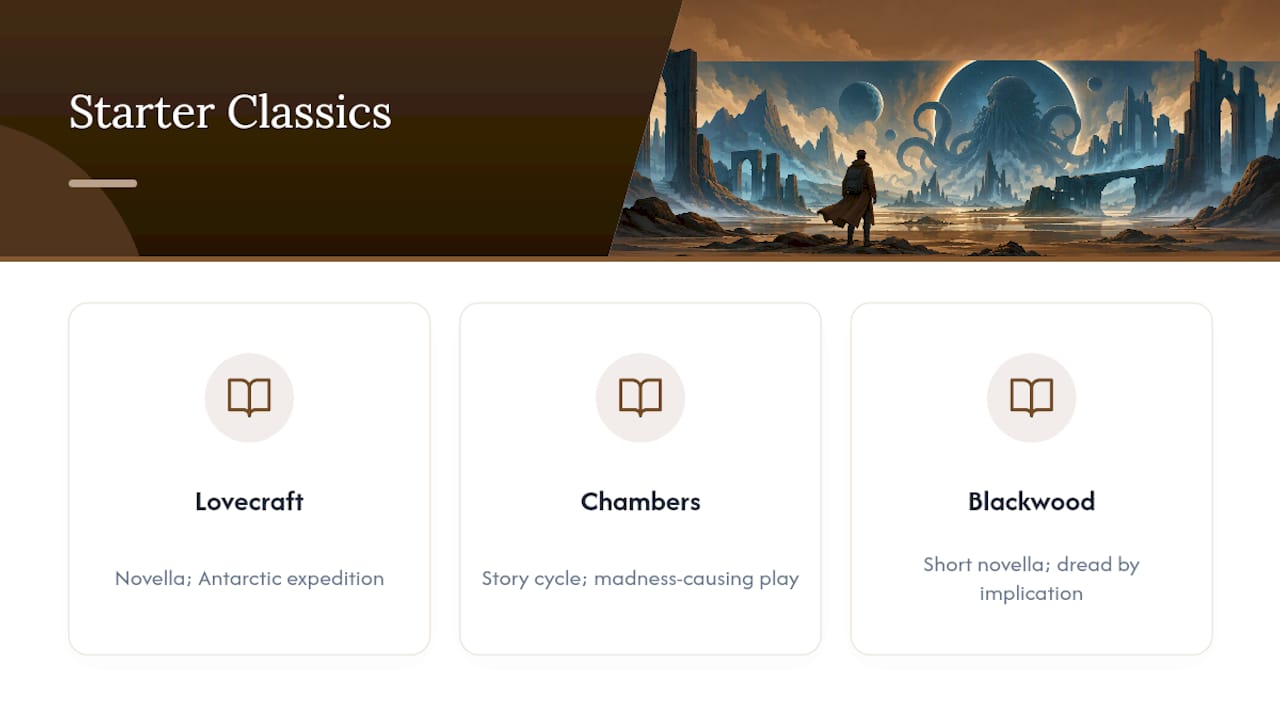
Starter classics

1. At the Mountains of Madness — H.P. Lovecraft

This is the entry point most publishers point to first, and for good reason. Penguin Random House lists it among the essential longer-form works because it gives you Lovecraft’s full toolkit: a doomed Antarctic expedition, a lost city built by beings older than human comprehension, and a slow accumulation of dread that never lets up once it starts. It’s a novella-length read, which means you get the full Lovecraft experience without committing to a novel. Standout reason: it’s the clearest demonstration of “scientific curiosity as the thing that destroys you,” a motif that echoes through nearly every book on this list.

2. The King in Yellow — Robert W. Chambers

Chambers predates Lovecraft and arguably influenced him more than most readers realize. The title story cycle centers on a play that drives its audience insane just from reading it, which is a wildly effective metaphor for forbidden knowledge. Wikipedia’s overview of the genre names this collection as one of the genre’s foundational antecedents. It suits readers who want atmosphere over action and don’t mind Victorian-era prose.

3. The Willows — Algernon Blackwood

A short novella about two men camping on a remote river island who start to sense something ancient and hostile in the landscape itself. No monster ever fully appears. That’s the trick. Blackwood built dread entirely out of implication, and it still works over a century later. This one suits readers who want to test whether cosmic horror even works for them before committing to a longer book.

Starter classics — overview diagram

Modern must-reads

4. The Fisherman — John Langan

Two grieving widowers go fishing at a spot with a dark local legend, and the story spirals into something far larger and stranger than either of them expected. This is arguably the best modern entry point precisely because it’s grounded in real grief before it goes cosmic. Standout reason: Langan uses a story-within-a-story structure that lets the horror build in layers, so by the time the true scale of the threat is revealed, you’ve already been softened up. Commitment: medium, roughly novel length but fast-moving.

5. Annihilation — Jeff VanderMeer

A biologist enters “Area X,” a quarantined zone where the laws of nature have gone sideways, as part of the twelfth expedition sent to study it. Every previous expedition ended badly. VanderMeer writes cosmic horror through ecological transformation rather than ancient gods, which makes this the pick for readers who find tentacled deities a little dated. It’s a slim novel, easily finished in a weekend, and it suits readers who like their horror cerebral and unresolved.

6. The Ballad of Black Tom — Victor LaValle

LaValle rewrites Lovecraft’s most notoriously racist story, “The Horror at Red Hook,” from the perspective of a Black street hustler in 1920s Harlem. It’s a direct, deliberate response to the genre’s uglier history, and it’s also just a phenomenal novella. Standout reason: it proves cosmic horror doesn’t need Lovecraft’s prejudices to work. The dread is intact; the baggage isn’t. Commitment: short, well under 200 pages.

7. The Wide, Carnivorous Sky — John Langan

A short story collection that shows Langan’s range beyond The Fisherman. The title story follows soldiers hunting a supernatural predator that turns out to be far more than they bargained for. Good pick for readers who liked The Fisherman and want more from the same author without another full novel.

8. Songs of a Dead Dreamer — Thomas Ligotti

Ligotti writes some of the bleakest, most philosophically committed cosmic horror in print. This collection leans hard into pessimism and the idea that consciousness itself might be a cosmic mistake. It’s not for readers who want a plot to hold onto. It’s for readers who want prose that unsettles on a sentence-by-sentence level. Commitment: short stories, so you can dip in and out.

Cross-genre picks

9. Blindsight — Peter Watts

Hard science fiction that turns first contact into a meditation on whether consciousness is even useful, let alone special. It’s frequently cited alongside Lovecraftian horror as a genre-adjacent existential novel because it delivers the same gut-punch: humanity might not matter, and intelligence without consciousness might actually be more efficient. Dense reading, but worth it for anyone who wants their cosmic horror grounded in real physics and neuroscience.

10. Uzumaki — Junji Ito

A manga series where a small Japanese town becomes obsessed, then physically consumed, by spirals. Ito’s body horror is visceral in a way prose can’t fully replicate. This is the pick for readers who want cosmic horror’s themes delivered through unsettling visual imagery rather than paragraphs of description. It’s also a genuinely fast read if you’re used to prose-only horror and want variety.

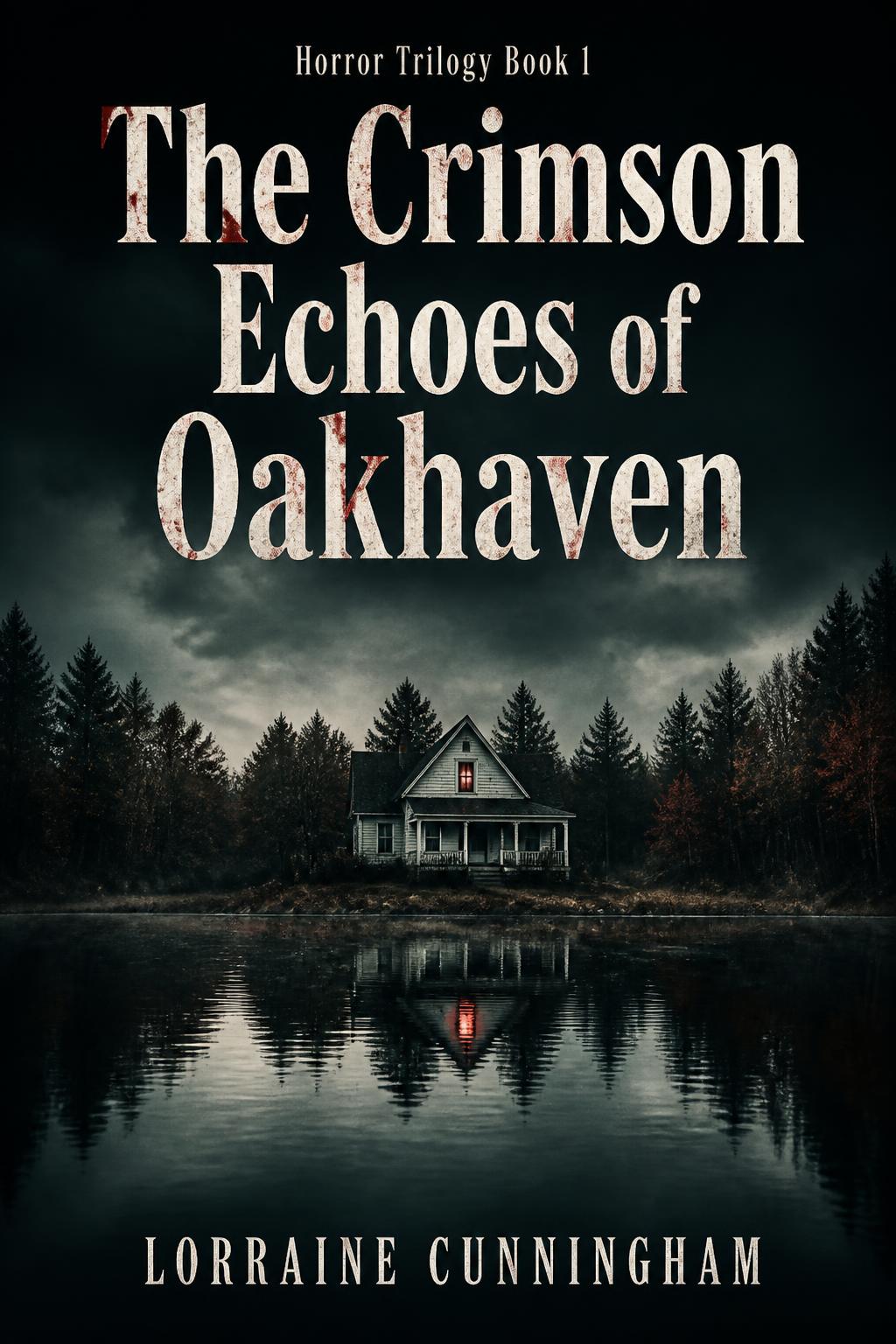
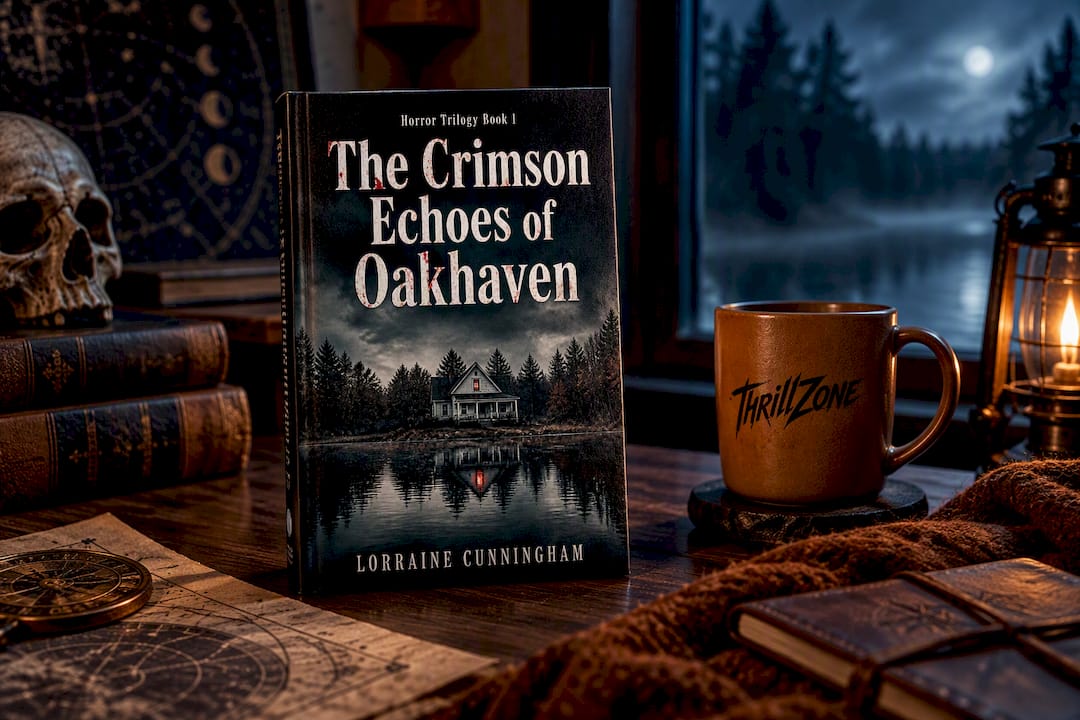
11. The Crimson Echoes Of Oakhaven (Book 1)

The Crimson Echoes Of Oakhaven (Book 1)

For readers who want a fresh, ongoing story rather than a decades-old classic, The Crimson Echoes Of Oakhaven is a newer option built around slow-building dread in a small, isolated town. It’s a solid pick for readers who liked the atmosphere of Blackwood’s The Willows but want contemporary pacing and prose.

How Format Changes the Cosmic Horror Reading Experience

Cosmic horror behaves differently depending on how much room the author has to work with, and picking the right format matters as much as picking the right author.

Short stories and anthologies are the lowest-commitment way to figure out whether this genre is for you. You get quick variety, several authors’ voices in one sitting, and no risk of investing 400 pages into a style that doesn’t click. Reviewer commentary on format and reader impact consistently points to anthologies as the easiest on-ramp for exactly this reason.

  • Anthology pick: look for a Lovecraft-adjacent collection built around Carcosa mythology if you want the King in Yellow lineage in small doses.
  • Single-author collection pick: Ligotti’s Songs of a Dead Dreamer or Langan’s The Wide, Carnivorous Sky both work as focused samplers of one voice.

Novellas hit a sweet spot cosmic horror handles better than almost any other genre. Novellas provide concentrated thematic impact, meaning there’s no filler between the dread and the payoff. The Ballad of Black Tom and At the Mountains of Madness both run under 200 pages and never waste a scene. If you want maximum unease per page, novellas are the format built for it.

Novels and series let dread accumulate through character development rather than atmosphere alone. Annihilation and The Fisherman both use this to their advantage. You spend enough time with the protagonists that when the cosmic reveal lands, it costs something emotionally, not just intellectually. This format suits readers who want to feel invested in a person before the universe reminds them that person doesn’t matter much.

Manga and graphic works carry cosmic horror’s visual DNA in a way text can’t. Uzumaki delivers body horror and creeping wrongness through imagery that would take Ligotti three paragraphs to describe and still not quite land. If you’re a visual reader or you burn out on dense prose, this is a legitimate entry point, not a lesser one.

Pro Tip: Read the first chapter before you commit to a full novel. Cosmic horror lives or dies on tone, and a preview chapter tells you in five minutes whether an author’s pacing works for you, saving you from abandoning a book at page 150.

Practical sampling strategy: read one short story, one novella, and the opening chapter of a novel in the same week. You’ll know within a few hours which format you actually enjoy, rather than guessing based on genre reputation alone.

Lovecraftian Horror vs. Cosmic Horror: What’s the Difference?

Lovecraftian horror and cosmic horror get used interchangeably, and that’s a mistake worth correcting. Lovecraftian horror refers specifically to stories that borrow H.P. Lovecraft’s shared mythos: Cthulhu, the Necronomicon, Yog-Sothoth, Arkham, and the general prose style of scholarly narrators slowly losing their grip on sanity. Cosmic horror is the broader category. It centers on the fear of the unknowable and incomprehensible, and a book can deliver that fear without ever mentioning a tentacled god or an ancient tome.

Think of it as genre and subgenre. Every Lovecraftian horror book is cosmic horror. Not every cosmic horror book is Lovecraftian.

  • Strictly Lovecraftian: At the Mountains of Madness, The Ballad of Black Tom (a direct response to Lovecraft’s mythos), and most Cthulhu Mythos anthologies.
  • Cosmic but not Lovecraftian: Annihilation (ecological horror, no mythos), Blindsight (hard sci-fi, no mythos), Uzumaki (visual body horror built around a single recurring symbol rather than shared lore).
  • Blurry middle ground: The King in Yellow predates Lovecraft’s mythos but shares its DNA so closely that later writers folded Carcosa directly into Cthulhu Mythos fiction.

One more thing worth naming directly: Lovecraft’s own writing carries real problems, including well-documented racism that shows up in his fiction. Mainstream coverage of his legacy has wrestled openly with this tension for years now, and it’s not something serious readers should paper over. Modern authors have responded directly rather than pretending the problem doesn’t exist. LaValle’s The Ballad of Black Tom is the clearest example: it takes one of Lovecraft’s most overtly racist stories and rewrites it from the perspective of the character Lovecraft dehumanized. If older cosmic horror’s baggage bothers you, start with the modern responses first and work backward once you understand what they’re responding to.

Three Reading Paths to Build Your Cosmic Horror List

You don’t need to read chronologically or exhaustively. Pick one of these three paths based on your actual reading habits, not what feels like the “correct” order.

  1. Classic first path. Start with At the Mountains of Madness, then read The King in Yellow or The Willows for the antecedents. Move to a Cthulhu Mythos anthology for variety, then land on The Ballad of Black Tom to see how a modern author reworks the same material with a sharper moral lens. This path suits readers who like understanding where a genre came from before judging where it’s going.

  2. Modern first path. Begin with The Fisherman or Annihilation, both accessible and emotionally grounded. Follow with a short story collection like The Wide, Carnivorous Sky to see the same anxieties in a compressed form. Circle back to Lovecraft’s classics once you’ve calibrated your taste and know you actually like the genre’s rhythms. Publisher guidance backs this approach explicitly, recommending mixed entry points rather than a single “correct” starting book.

  3. Anthology and variety path. Start with a Cthulhu Mythos or Carcosa-themed anthology to sample five or six authors in one sitting. Pair it with one novella, ideally The Ballad of Black Tom or At the Mountains of Madness, to see how the same themes stretch out over a longer form. This path suits readers who hate committing to an author before knowing if they like the voice.

Whichever path you choose, use preview chapters aggressively. A single chapter tells you more about pacing and tone than any review will, and it costs you nothing but five minutes.

Finding Cosmic Horror Titles You Can Preview Before Buying

Committing to a new author sight unseen is the biggest risk in genre fiction, and cosmic horror is especially unforgiving of a mismatched tone. Thrillerhorrorsuspense specializes in digital horror, thriller, and suspense e-books and lets you preview exclusive chapters before you buy, which matters a lot when you’re testing whether a book’s dread lands the way you want it to.

  • Browse by genre category rather than hunting title by title.
  • Read the preview chapter before purchase to judge pacing and voice.
  • Use the sample to gauge intensity, since cosmic horror ranges from quiet dread to outright body horror.

The Crimson Echoes Of Oakhaven fits this model well. It’s built around a small town unraveling under something it can’t explain, closer in spirit to Blackwood’s slow-build dread than Lovecraft’s cosmic scale, and its preview chapter gives you a fast read on whether that tone works for you. One data point worth remembering: Penguin Random House’s own guidance recommends readers sample multiple entry points rather than assume one book defines the whole genre, and previewing before buying is the fastest way to do that without wasting money on the wrong fit.

The Symbols and Motifs That Define Cosmic Horror

Certain images recur across cosmic horror so often they’ve become shorthand for the genre itself. The spiral, most famously used in Uzumaki, represents a pattern that consumes anyone who looks at it too closely, a visual stand-in for obsessive, mind-breaking knowledge. Vast underwater or subterranean cities, like the one in At the Mountains of Madness, represent civilizations older and larger than human history, built by minds that never considered us at all.

Forbidden texts show up constantly, from the Necronomicon to the cursed play in The King in Yellow. The motif works because reading is passive. You can’t unlearn what a book tells you, which makes knowledge itself the monster. Ecological transformation, central to Annihilation, updates the same fear for a climate-anxious era: nature itself becoming alien rather than an ancient god waking up.

Isolation is the setting motif that ties almost everything together. Antarctic wastes, remote fishing holes, quarantined zones, small towns cut off from the rest of the world. Cosmic horror needs distance from rescue and from rational explanation, because the moment help is one phone call away, the dread collapses.

How Cosmic Horror Tells Its Stories Differently

Cosmic horror leans on structural tricks that other horror subgenres rarely need. The unreliable or degrading narrator is probably the most common: a scholar, scientist, or investigator whose grip on sanity erodes as the story progresses, so the reader experiences confusion and dread in real time rather than being told about it after the fact.

Frame narratives and found documents show up constantly too, journals, expedition reports, transcribed interviews, because they let the horror arrive secondhand, filtered through someone who already survived it or didn’t. Langan’s The Fisherman uses a story within a story specifically to delay the cosmic reveal until the reader has already absorbed a smaller, human-scale grief.

Recent scholarship frames this as a structural response to a genuine writing problem: how do you describe something explicitly stated to be beyond description? Weird fiction, the term scholars often use for this broader mode, tends to solve it through negative description (telling you what a thing is not), sensory overload, and abrupt narrative gaps where language simply fails. That’s not a stylistic quirk. It’s a deliberate technique for “writing the unwritable,” and it explains why so much of the genre favors fragmented, document-based, or first-person degrading narration over clean third-person storytelling.

Why Cosmic Horror Resonates: The Philosophy Underneath the Dread

Cosmic horror is really a genre-length argument against human exceptionalism, and that’s exactly why it still resonates. Underneath the tentacles and lost cities sits a genuinely unsettling philosophical claim: humans are not the main characters of the universe, and the universe was never designed with us in mind.

That idea connects the genre to real philosophical territory, particularly cosmicism and various strains of nihilism, the notion that existence has no inherent meaning beyond what humans invent for themselves. Watts’s Blindsight pushes this further into scientific territory, questioning whether consciousness itself is even useful from an evolutionary standpoint. Ligotti’s fiction goes even darker, treating consciousness as something closer to a cosmic accident best regretted.

This is also why the genre has expanded so far past Lovecraft’s original mythos. Ecological collapse, AI, and the sheer scale of deep time all tap the same nerve: the sense that forces larger than us are indifferent to our survival. Annihilation’s creeping biological transformation and Blindsight’s alien intelligence both update cosmicism for anxieties Lovecraft never wrote about, proving the philosophy travels better than the specific monsters do.

From Poe to Lovecraft: Where Cosmic Horror Came From

Cosmic horror’s roots stretch back further than most readers assume. Edgar Allan Poe’s fascination with dread and the unknown set an early template, but the genre really took shape through Algernon Blackwood and Robert W. Chambers in the early 1900s, both of whom wrote stories built around ancient, indifferent forces well before Lovecraft published a word.

Lovecraft, writing primarily in the 1920s and 1930s for pulp magazines like Weird Tales, synthesized these influences into something more systematic: a shared mythology of ancient beings, forbidden texts, and doomed investigators that later writers could build on directly. That systematization is a big part of why “Lovecraftian” became its own recognizable label distinct from the broader “cosmic horror” umbrella.

The genre’s evolution since has largely been a conversation with, and sometimes against, that foundation. Writers like Ligotti pushed the philosophical pessimism further. Writers like LaValle and VanderMeer took the core fear, that we are small and the universe doesn’t notice us, and rebuilt it without Lovecraft’s mythos or his prejudices attached. The throughline from Poe’s dread to Blackwood’s indifferent nature to Lovecraft’s mythos to LaValle’s direct rebuttal is really one long argument about how to write fear of the incomprehensible, and who gets to tell that story.

Cosmic Horror’s Reach Into Film, Games, and Art

Cosmic horror escaped the page decades ago. Film has borrowed its DNA constantly, from The Thing to Annihilation’s own 2018 adaptation, both built around isolation and transformation into something no longer recognizably human. The visual grammar of cosmic horror, vast scale, impossible geometry, creeping wrongness, translates surprisingly well to a camera, even when the source material insists the horror is indescribable.

Games have arguably done even more with it. Titles built around sanity mechanics, non-Euclidean level design, and lore that rewards obsessive digging (the way forbidden texts function in the books) have made cosmic horror one of the most durable influences in horror game design for over a decade.

Visual art owes a similar debt, particularly through Junji Ito’s manga work. Uzumaki’s spiral imagery has become genuinely iconic outside manga circles, showing up in fan art, tattoos, and horror aesthetics broadly, because a single repeating shape turned malevolent is an unusually efficient way to convey cosmic wrongness without a single word of exposition. The image does what pages of Lovecraftian prose sometimes struggle to.

Why These Picks: An Editorial Take on Cosmic Horror

Choosing this list came down to three criteria: literary quality, the strength of the dread, and whether a normal reader could actually finish the book without giving up. A lot of cosmic horror recommendations lean too hard into obscure completeness, listing every Lovecraft short story regardless of whether it holds up. That’s not useful to someone trying to figure out if they even like this genre.

The stronger test is whether a book earns its dread. The Ballad of Black Tom earns it by making you care about Tommy Tester before the cosmic horror ever arrives. Uzumaki earns it through pure visual accumulation, one spiral at a time, until the town itself feels unsalvageable. At the Mountains of Madness earns it the old-fashioned way, with scale and patience, letting the discovery unfold at a pace that makes the eventual horror land harder.

What surprised me most while assembling this list is how well the philosophical version of cosmic horror, Blindsight’s cold, science-driven dread, sits next to something as visceral as Uzumaki. They shouldn’t work as companion reads, and yet they’re arguing the same point from opposite directions. That’s the real appeal of this genre: it keeps finding new ways to make the same terrifying argument feel fresh.

If you’re on the fence about any title here, preview the opening chapter before committing. Tone is everything in this genre, and five minutes of reading tells you more than any list ever will.

— lorraine

Sample and Buy: Where to Start on Thrillerhorrorsuspense

Some e-book stores allow readers to preview chapters before purchase, helping you avoid commitment to a tone or pacing you might not enjoy. That matters more in cosmic horror than almost any other subgenre, since the difference between “deliciously unsettling” and “not for me” often comes down to the first few pages.

The Crimson Echoes Of Oakhaven (Book 1)

If you want a fresh take on slow-building, small-town dread, The Crimson Echoes Of Oakhaven is a solid place to start, and the preview chapter will tell you within minutes whether its atmosphere fits what you’re after. From there, browse the full horror collection for more titles in a similar vein, or check the thriller collection if you want something with a faster pulse alongside the dread. Everything lives on the main e-book store, organized by genre so you’re not hunting blindly. Preview a chapter, see how the voice lands, and buy only once you know it’s the read you actually want.

Sources

A few sources shaped the definitions and recommendations throughout this guide, and they’re worth bookmarking if you want to keep exploring on your own.

FAQ

What are good cosmic horror books to start with?

At the Mountains of Madness by H.P. Lovecraft and The Fisherman by John Langan are the two most reliable starting points, one classic and one modern. For something more visual, Junji Ito’s Uzumaki delivers the same dread through manga rather than prose.

What is the scariest cosmic horror book?

There’s no single agreed-upon “scariest” title since fear response varies wildly by reader, but Ligotti’s Songs of a Dead Dreamer and At the Mountains of Madness are consistently named among the most unsettling for their sustained, escalating dread. Body-horror readers often point to Uzumaki instead, since its visual medium delivers a different, more visceral kind of fear.

What’s the difference between Lovecraftian horror and cosmic horror?

Lovecraftian horror specifically uses H.P. Lovecraft’s shared mythos, characters, and settings, while cosmic horror is the broader genre built around fear of the unknowable and humanity’s insignificance. Every Lovecraftian book is cosmic horror, but plenty of cosmic horror, like Annihilation or Blindsight, never touches Lovecraft’s mythos at all.

Should I read Lovecraft first or start with modern authors?

Either path works, and publishers generally recommend mixed entry points rather than one fixed order. If Lovecraft’s dated prose or the genre’s problematic history concerns you, starting with modern responses like The Ballad of Black Tom first, then reading backward into the classics, often works better.

Where can I preview cosmic horror titles before buying?

Thrillerhorrorsuspense lets readers preview exclusive chapters before purchase, which is especially useful for cosmic horror given how much the genre depends on tone. You can sample titles like The Crimson Echoes Of Oakhaven directly on the store’s horror collection before deciding to buy.

10 Books That Recreate the Unseen Threat of Bird Box

If you want books like Bird Box right now, start with Josh Malerman’s own sequel Malorie, then move to Hanna Jameson’s The Last, Paul Tremblay’s The Cabin at the End of the World, and Nick Cutter’s The Troop. Add Detective Harry Smark (The Vault’s Echo Book 2) from Thrillerhorrorsuspense if you want a mystery-thriller detour with the same creeping dread. Each pairs an unseen or barely understood danger with characters fighting to protect someone weaker, the two engines that made Bird Box work. Check content warnings before you dive in. Some of these get genuinely bleak.


TL;DR:

  • The list emphasizes the importance of unseen or ambiguous threats, with many titles featuring mysterious forces that characters or readers never fully understand.
  • Sensory restriction is a key element, achieved through darkness, fog, or unreliable narration to maintain the same atmosphere as Bird Box.
  • Parental or protective perspectives dominate, highlighting characters fighting to safeguard loved ones amid life-threatening situations.
  • The recommended books vary in tone from hope-filled and resolved to bleak and unresolved, allowing readers to choose based on their mood preference.
  • Many titles incorporate mundane survival tasks and claustrophobic settings, amplifying tension through confined spaces and everyday routines faced under extreme danger.

Thrillerhorrorsuspense
Discover Your Next Suspense Read
Browse digital horror, thriller, and suspense e-books, with exclusive chapters available to preview before buying.

Table of Contents

Best Books Like Bird Box, Ranked

This list moves from closest tonal match to more distant cousins, so start at the top if you want the purest Bird Box hit and work down as you’re willing to branch out.

  1. Malorie by Josh Malerman. The direct sequel picks up years after the original novel, following Malorie and her now-teenage children as the unseen creatures’ rules start to change. It’s the obvious first stop because it’s literally the same world, though the tension shifts from discovery to long-term survival fatigue. Best for readers who wanted more time with Malorie specifically. Trigger note: child endangerment, body horror.

  2. The Last by Hanna Jameson. A nuclear apocalypse traps a small group of hotel guests together, and when a body turns up in a water tank, the survival story becomes a locked-room mystery too. The publisher describes it as a propulsive thriller built on both survival stakes and whodunit tension, which is a close cousin to Bird Box’s claustrophobia. Best for readers who want plot momentum alongside the dread. Trigger note: violence, suicide.

  3. The Cabin at the End of the World by Paul Tremblay. A family’s rural vacation turns into a siege when strangers arrive insisting the world is ending, and the horror lives entirely in ambiguity: are the intruders right, or dangerously wrong? Best for readers who loved not knowing what’s true in Bird Box. Trigger note: violence toward a child, home invasion.

  4. The Troop by Nick Cutter. A Boy Scout camping trip goes wrong when a starving, infected stranger stumbles into camp, and the threat spreads through the group in ways nobody can stop in time. Best for readers who want body horror layered onto survival horror. Trigger note: graphic gore, parasitic infection.

  5. Bird Box companion aside: if you haven’t read the original, it belongs at the top of any list, but since this guide assumes you have, skip to the next entry.

  6. The Girl with All the Gifts by M.R. Carey. A young girl who may or may not be a monster becomes the emotional center of a post-outbreak world, flipping the parental-protection dynamic on its head. Best for readers who want the protector-and-protected relationship complicated rather than straightforward. Trigger note: child in danger, infection horror.

  7. The Road by Cormac McCarthy. A father and son walk through an ash-covered, unnamed apocalypse with almost nothing explained about how the world ended, which is precisely the point. Best for readers drawn to Bird Box’s parental stakes more than its jump scares. Trigger note: cannibalism, bleak tone throughout.

  8. Wanderers by Chuck Wendig. A sleepwalking plague spreads across the country while a splinter group tries to understand it before society collapses entirely. Best for readers who want a bigger cast and slower burn than Bird Box’s tight focus. Trigger note: pandemic themes, violence.

  9. Detective Harry Smark (The Vault’s Echo Book 2), available through Thrillerhorrorsuspense. This entry trades the pure survival horror format for a detective-driven thriller, but keeps the same low-visibility dread and protective tension running underneath the mystery plot. Best for readers who want Bird Box’s mood without a full post-apocalyptic setting. Content notes vary by chapter, so use the site’s preview feature before buying.

  10. Leave the World Behind by Rumaan Alam. Two families trapped together in a remote rental house slowly realize something catastrophic is happening outside, and almost none of it gets explained on the page. Best for readers who want quieter, slower dread instead of Bird Box’s constant physical danger. Trigger note: ambiguous ending, may frustrate readers wanting resolution.

What Makes These Books Feel Like Bird Box

Five recurring elements separate a true Bird Box read-alike from a generic apocalypse novel, and knowing them helps you pick titles by feel instead of just by cover art.

  • Unseen or ambiguous antagonist. Malorie never sees the creatures and neither does the reader, which is what makes The Cabin at the End of the World land the same way. You’re never sure the threat is what characters claim it is.
  • Sensory restriction. Bird Box’s blindfolds strip away sight; other books achieve the same effect through darkness, fog, or unreliable narration that limits what you’re allowed to know.
  • Parental or protective point of view. Malorie’s fight to keep her children alive echoes directly in The Road’s father-son journey and in The Girl with All the Gifts, where the protector role gets scrambled.
  • Survival as mundane task. Boiling water, checking locks, and rationing food become nail-biting scenes when the stakes are life or death. Critics have argued that the strongest post-apocalyptic horror comes precisely from magnifying these ordinary actions rather than relying on monster reveals.
  • Claustrophobic set-pieces. A house, a hotel, a cabin. Confined spaces do more narrative work than sprawling wastelands in this subgenre.

Pro Tip: If you want hope by the last page, lean toward Malorie or The Girl with All the Gifts. If you’re fine with bleak and unresolved, The Road and Leave the World Behind won’t disappoint you.

How to Pick Your Next Read

Match your mood to a path instead of picking randomly off the list above.

  1. Fast tension: Start with The Troop or The Cabin at the End of the World. Both move quickly and deliver dread within the first fifty pages.
  2. Character-driven: Try Malorie or The Road. These slow down for relationship depth, especially between parents and children.
  3. Slow-burn psychological: Pick up Leave the World Behind or Wanderers. Give them more patience. The payoff builds over chapters, not scenes.

If a book isn’t landing after the first quarter, switch paths rather than forcing it. Bird Box fans split roughly between plot-hungry and mood-hungry readers, and forcing the wrong path kills momentum fast.

What Happens in Bird Box, Briefly

Josh Malerman’s novel, published in 2014) and later adapted into the 2018 Netflix film, follows Malorie, a mother raising two children years after an unseen force began driving anyone who looks at it to violent madness. She and her children navigate a blindfolded world, traveling by sound and memory alone, on a desperate river journey toward a rumored safe haven.

The novel alternates between the outbreak’s early days, when Malorie is pregnant and sheltering with strangers in a house that becomes both refuge and prison, and the present timeline, where she’s forced to make the blindfolded river trip with two young children in tow. Nobody in the story, including the reader, ever gets a clear description of the creatures. That absence is the entire mechanism of the book’s horror.

What makes it resonate beyond a typical monster story is how ordinary the danger looks. A creature isn’t chasing anyone with claws or teeth. It’s just there, and looking at it is enough to unravel a person’s mind completely. That’s a different kind of fear than most horror relies on, and it’s the specific fear this whole list is built to chase down again.

The Genres Bird Box Blends Together

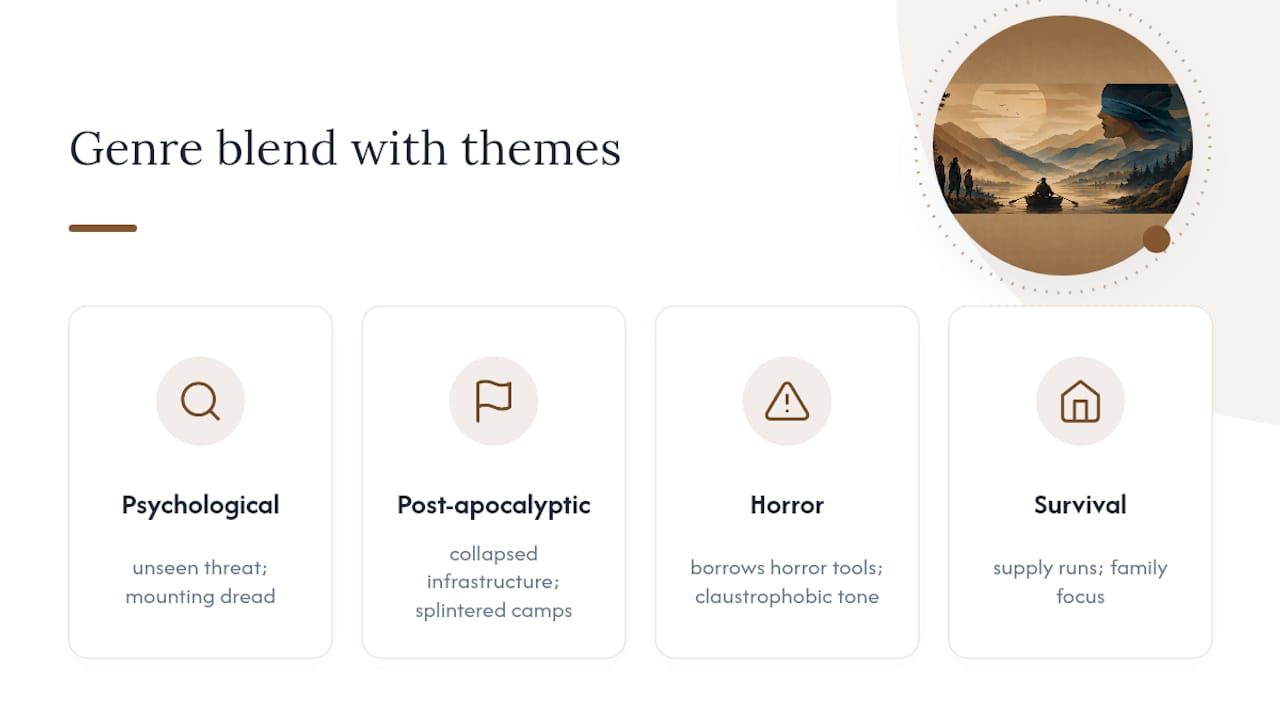
Bird Box sits mainly in psychological thriller and post-apocalyptic fiction, but it borrows tools from horror and survival fiction too, which is part of why it appeals to readers who don’t usually gravitate toward straight horror.

The psychological thriller half comes from the unseen threat itself. There’s no monster design to fear, only the mounting dread of not knowing, and the slow psychological erosion of characters who’ve been driving themselves toward madness for years. The post-apocalyptic half handles the world building: infrastructure has collapsed, communities have splintered into isolated houses and small camps, and every supply run carries the weight of a life-or-death decision.

Layered onto both is a domestic survival thread, the same one that runs through The Road and Wanderers, where family bonds and protective instinct become the emotional core holding the plot together. The New York Public Library’s own read-alike list groups Bird Box specifically with claustrophobic, sensory-limited titles, which confirms that librarians see the same genre blend readers do: part psychological horror, part apocalypse survival story, tied together by restricted perception.

Diagram showing Bird Box genre blend

Where These Books Diverge From Bird Box

Not every title on this list plays by Bird Box’s rules, and knowing where they differ keeps expectations honest.

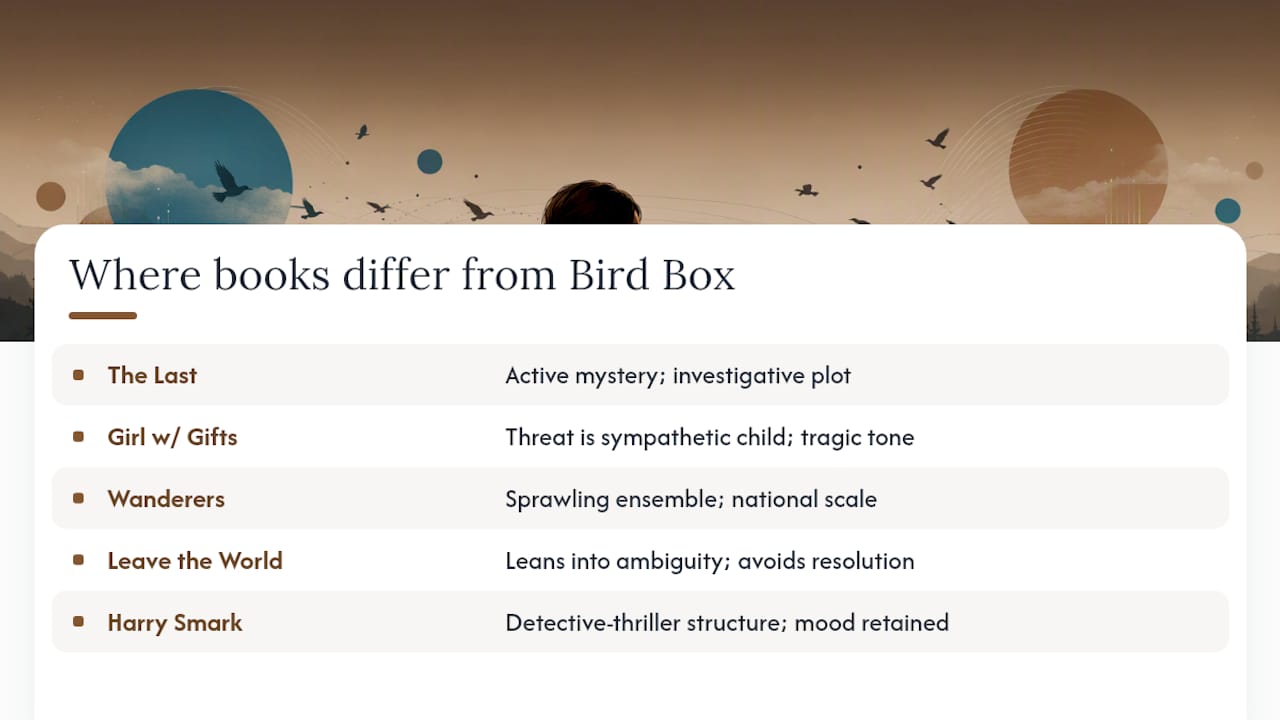
The Last swaps ambient dread for an active mystery plot. There’s a body to investigate and a killer to find, which gives the book a forward momentum that Bird Box, with its slower river journey, never really has. The Girl with All the Gifts goes further still, making its “threat” a sympathetic child character rather than an incomprehensible force, which softens the horror into something closer to tragedy.

Wanderers trades Bird Box’s tight two or three character focus for a sprawling ensemble cast spread across an entire country, so if you loved the intimacy of Malorie’s small circle, that scale shift might feel like a loss rather than a gain. Leave the World Behind leans even harder into ambiguity than Bird Box does, refusing resolution almost entirely, which some readers find braver and others find maddening.

Detective Harry Smark (The Vault’s Echo Book 2) diverges the most structurally, since it’s built as a detective thriller rather than a survival narrative. What it keeps is the mood: a sense that danger is close, poorly understood, and connected to people the protagonist is trying to protect. If you came to this list purely for post-apocalyptic settings, treat this one as a genre detour rather than a strict match.

Where These Books Diverge From Bird Box — overview diagram

Find Your Next Read at Thrillerhorrorsuspense

The platform provides a look inside the books before purchase. Every title comes with preview chapters, so you can gauge tone and pacing before committing.

Detective Harry Smark (The Vault's Echo Book 2)

  • Preview chapters let you check trigger content and tone firsthand, no guessing from a back-cover blurb.
  • The catalog stays narrow on purpose, focused entirely on horror and thriller titles, so you’re never wading through unrelated genres to find your next read.

Start with the full e-book catalog and read the opening pages of Detective Harry Smark (The Vault’s Echo Book 2) before you buy. If the mood matches what you loved about Bird Box, you’ll know within the first chapter.

A Curator’s Note on This List

I built this list around one bias I’ll admit upfront: I care more about restraint than reveal. The books that stuck with me longest, the ones I kept thinking about days later, all shared Bird Box’s refusal to fully explain the danger. Once a monster gets a full description, the fear tends to shrink to fit it. Keep it unseen, and it stays as big as your imagination lets it.

That’s also why I weighted this list toward parental and protective dynamics over pure body count. Fear hits harder when someone’s fighting to save a person they love, not just themselves.

— lorraine

Sources

An e-book platform specializing in horror, thriller, and suspense readers shapes how this list groups titles by mood and threat type rather than by generic bestseller status. The site’s catalog includes original works like Elvis Died I Was There alongside genre staples such as Detective Harry Smark (Night Life Book 1), The Crimson Echoes of Oakhaven, and The Whispering Veil of Oakhaven, each selected for readers who already know what dread they’re chasing. Every title on the platform, including The Stolen Daughter, offers a preview chapter before purchase, which matters most when a book’s trigger content needs a firsthand check.

FAQ

Was Bird Box based on a book?

Yes. The 2018 Netflix film was adapted from Josh Malerman’s 2014 novel of the same name, and the book predates the movie by four years.

What book does Stephen King regret writing?

Stephen King has publicly expressed regret over certain works of his own, like The Tommyknockers, but that’s unrelated to Bird Box, which was written by Josh Malerman, a different author entirely. Don’t confuse the two when searching for read-alikes.

What is the scariest novel ever written?

There’s no single agreed-upon answer, since fear is deeply personal and genre-dependent. Among post-apocalyptic and psychological horror readers specifically, titles like The Troop and The Cabin at the End of the World consistently rank among the most unsettling for their sustained dread rather than jump scares.

Are there books like Bird Box with a hopeful ending?

Yes. Malorie and The Girl with All the Gifts both offer more resolution and emotional payoff than Bird Box’s ambiguous close, making them better fits if you want dread without total bleakness.

Does Thrillerhorrorsuspense carry books similar to Bird Box?

Thrillerhorrorsuspense stocks Detective Harry Smark (The Vault’s Echo Book 2), which shares Bird Box’s low-visibility dread and protective tension even though it’s structured as a detective thriller. Preview chapters are available on the product page before you buy.

31% Higher Odds: BookBub Alternatives for Horror/Thriller/Suspense

The best BookBub alternatives aren’t broader deal aggregators. They’re genre-curated storefronts and niche ebook shops that let you read a real chapter before you buy, backed by actual reader reviews. Research on ebook buying behavior found that seeing both a preview and a review lifts purchase likelihood to roughly 31%, compared to under 5% when a shopper gets neither. Thrillerhorrorsuspense builds around exactly that combination, which makes it a reasonable place to start sampling.


TL;DR:

  • Genre-curated storefronts like Thrillerhorrorsuspense offer exclusive chapter previews and reader reviews, significantly increasing purchase confidence.
  • Preview length should typically be limited to one chapter, as longer samples may reduce curiosity and purchase intent.
  • Sites with a wide variance in reviews signal the need to read the preview carefully to assess whether the book matches personal taste.
  • Combining previews and reviews boosts ebook buying likelihood to about 31%, with previews providing direct voice and reviews offering validation.
  • Always verify that a site provides accessible sample chapters before paying, as hidden previews are a warning sign of less trustworthy offerings.

Thrillerhorrorsuspense
Sample Your Next Dark Read
Browse horror, thriller, and suspense e-books with exclusive chapter previews before choosing your next digital read.

Browse the collection

Table of Contents

What Should You Look for in a BookBub Alternative?

Not every “deal site” or ebook shop is built the same way, and the differences matter more than the price tag. Before you bookmark a new storefront, run it through a short checklist.

  • Preview mechanics. Look for an actual chapter, not a two-paragraph teaser. Check whether the sample sits above the fold on the product page or is buried behind a click.
  • Review presence and variance. A book with 40 reviews split evenly between one star and five stars tells you something different than one with 40 reviews clustered at four stars. Read a few of the middling ones first; they’re usually more honest than the extremes.
  • Genre curation. A site that specializes in horror, thriller, and suspense will surface subgenre distinctions (psychological thriller versus slasher versus cosmic horror) that a general marketplace flattens into one dropdown menu.
  • Purchase clarity. Confirm the file formats offered (EPUB, MOBI, PDF), whether DRM applies, and what happens if the download fails or the book isn’t what you expected.
  • Ease-of-use signals. Search by subgenre, editorial “if you liked X” lists, and a sample-first layout all suggest the site was built for readers, not just for moving inventory.

Pro Tip: If a site won’t let you preview before you pay, treat that as a warning sign rather than an inconvenience. Legitimate storefronts have no reason to hide the first chapter.

Watch for deal traps, too: prices that look discounted from an inflated “original” price with no purchase history to back it up, reviews that read like they were written by the same person, and listings with no sample at all.

What Kinds of Reader-Facing Alternatives Exist?

Three types of sites tend to show up when readers search for BookBub alternatives, and each one fits a different goal.

Genre-curated storefronts narrow their catalog to horror, thriller, and suspense specifically, which means the editorial hand behind the site actually knows the genre. These are the best place to discover a niche author nobody else is talking about, because the curation itself doubles as a recommendation. Thrillerhorrorsuspense fits this category, with a catalog built around original titles and exclusive chapter previews rather than a firehose of every genre at once.

Three types of reader-facing book alternatives

Indie-press and single-title publisher shops sell one book, one series, or a small backlist directly, often with a longer sample chapter than a big marketplace would offer. These sites reward readers hunting for something specific rather than browsing broadly.

Curated deal newsletters and discovery services occasionally link out to preview pages on the product listing itself, which is worth noting because it’s a very different animal from the author-promo advertising networks that dominate this space. Those ad platforms sell placements to authors; they aren’t built for readers to sample and buy, and they sit outside the scope of what this guide covers.

If your goal is discovery, start with a genre-curated storefront. If you’re chasing the lowest price on a specific title, an indie-press shop or newsletter link often wins. If you want exclusive originals you can’t find anywhere else, a curated storefront with its own catalog is the only real option.

Do Previews and Reviews Actually Change What You Buy?

They do, and the effect is larger than most readers assume. A study published in Information Systems Research found that combined exposure to both a preview and reviews raised purchase likelihood to about 31%, with previews alone increasing it to a moderate level, and reviews alone to a lower level. Without exposure to either, purchase likelihood was comparatively low.

Combining a sample chapter with reader reviews raises purchase likelihood significantly, according to research covered by INFORMS, substantially more than when neither is available.

The two signals do different jobs. A preview gives you direct experience: you’re literally reading the author’s voice and deciding if it works for you. A review gives you indirect validation from someone who already finished the book, which Forbes’ coverage of the study frames as the two mechanisms resolving different kinds of uncertainty.

Three practical takeaways follow from that research:

  1. Favor sites that offer both, not just one or the other. A storefront with only star ratings and no sample is asking you to trust strangers with no way to verify their taste matches yours.
  2. Treat wide review variance as a flag to read the preview more carefully. When ratings split sharply, the book is probably polarizing on style or pacing, exactly what a sample chapter reveals fastest.
  3. Don’t over-sample. Research on preview length suggests that previews stretched too far can actually reduce purchase intent, because the reader’s curiosity gets satisfied before the sale happens. One solid chapter is usually enough to judge tone and voice.

How Does Thrillerhorrorsuspense Match This Checklist?

Thrillerhorrorsuspense is built specifically around digital horror, thriller, and suspense titles, with exclusive chapters available for preview on every listing before you buy. That single design choice, sampling before purchase, addresses the most common complaint about ebook shopping: paying for something that doesn’t match the blurb.

The catalog includes original titles you won’t find on a general marketplace, including ELVIS DIED I WAS THERE and Martha’s Tide, alongside a growing shelf of thriller and horror collections.

Sampling on the site follows a simple path:

  • Browse by category (horror, thriller, suspense)
  • Open a listing page
  • Read the exclusive chapter preview
  • Check any reader notes available on the page
  • Purchase in your preferred format
What to check Where to find it on the site
Preview length Exclusive chapter on each product page
Genre curation Category browsing (horror, thriller, suspense)
Purchase flow Format selection at checkout

If a preview grabs you within the first few pages, that’s usually a reliable signal. If you’re still undecided by the end of the sample chapter, the book probably isn’t the right fit, and that’s fine. That’s the point of previewing in the first place.

An Author’s Take on Reading Before You Buy

An Author's Take on Reading Before You Buy — overview diagram

Readers who stick with a genre for years develop a habit almost without noticing it: they stop trusting cover copy and start trusting the first page. A blurb can promise anything. A chapter can’t fake voice, pacing, or whether the author actually knows how to build dread instead of just announcing it. That’s the real value of preview-first shopping, and it’s why the research on combined previews and reviews lines up with what careful readers already do instinctively.

My habit, developed over years of reading and writing in this space, is simple: give any sample exactly one chapter to earn a second chapter. If the prose is working, you’ll know before you hit the end of it. If it isn’t, no amount of five-star reviews will fix that mismatch for you personally.

— lorraine

Ready to Sample the Catalog Yourself?

Thrillerhorrorsuspense is the direct alternative to a generic deal aggregator for horror, thriller, and suspense readers: instead of hunting through unrelated genres for a discount, you get a catalog built entirely around this space, with an exclusive chapter preview on every listing so you know what you’re buying before you pay.

Thrillerhorrorsuspense

Start with ELVIS DIED I WAS THERE or Martha’s Tide if you want to see the preview format in action, or browse the full ebook catalog to find something closer to your subgenre. Read the sample chapter, check for reader notes, and buy in the format that suits your device. No newsletter sign-up required, no waiting for a deal cycle. Just open a listing and start reading.

Sources

The purchase-likelihood figures in this guide come from a peer-reviewed study in Information Systems Research, with a plain-language summary available through INFORMS and additional context from Forbes.

For readers looking to expand their discovery habits beyond any single storefront, a few starting points worth bookmarking:

FAQ

What Makes a Site a Real BookBub Alternative?

A genuine alternative offers chapter previews and reader reviews on curated horror, thriller, and suspense titles, not just discount listings. Sites like Thrillerhorrorsuspense focus on genre curation paired with sampling, which research shows raises purchase confidence to about 31% compared to browsing blind.

How Long Should a Chapter Preview Be?

A full chapter is usually enough to judge an author’s voice and pacing without spoiling the plot. Previews stretched far beyond that can actually reduce purchase intent because curiosity gets satisfied before the sale happens.

Are Free Book Promotion Platforms the Same as Genre Storefronts?

No. Free promotion platforms and deal newsletters typically push discounted titles across every genre, while a genre-curated storefront like Thrillerhorrorsuspense sells and previews only horror, thriller, and suspense titles. The curation itself is the discovery tool.

What Does Thrillerhorrorsuspense Charge for Ebooks?

Current prices are listed on each product page on the Thrillerhorrorsuspense storefront. Every listing includes an exclusive chapter preview so you can decide before checking the price.

Should I Read Reviews or the Preview First?

Read reviews first to spot patterns, especially wide swings between one star and five stars, then use the preview to settle any doubt. That sequence lines up with how the combined previews-and-reviews research found readers make the most confident purchase decisions.

10 Summer Thriller Reads to Pack, Preview Before You Buy

This is a curated shortlist of summer thriller reads built around setting and mood, not a giant bibliography to wade through. You’ll find beach and island suspense, cabin-in-the-woods dread, and vacations-gone-wrong plots pulled from sources like BISG’s fiction resources and the exclusive-preview catalog at ThrillerHorrorSuspense.store. Pick by where you’re headed or how twisted you want the ending, without specific ranking numbers.


TL;DR:

  • The most suitable summer thrillers are set on beaches, islands, or resorts, with each type offering different atmospheres like relaxation or violence.
  • Formats such as paperback and ebook are best suited for travel, while audiobooks are ideal for long drives or poolside listening.
  • Preview chapters available on ThrillerHorrorSuspense.store help ensure the book’s mood matches travel plans before purchase.
  • Popular picks include vacation and resort thrillers like The Vacation and The Resort, which are frequently recommended on reader and critic lists.
  • Shorter, fast-paced books are ideal for casual reading, while twist-heavy, multi-POV stories suit those seeking darker, more complex experiences.

Thrillerhorrorsuspense
Find Your Next Summer Thriller
Browse exclusive digital horror, thriller, and suspense titles, then preview chapters before choosing your next read.

Table of Contents

The Quickest Way to Pick a Summer Thriller

Here’s a focused selection of summer thriller reads worth packing this year, chosen for how well they fit an actual vacation, not a critics’ consensus. Each one earns its spot for a specific reason: pace, setting, or the kind of ending that makes you miss your flight boarding call because you can’t put it down.

  1. The Vacation by John Marrs. A group holiday unravels when someone in the friend group turns out to be a killer, and the publisher’s own description leans hard into the holiday-set high concept. Best for readers who want their beach book to feel dangerously close to their own trip.
  2. Last Seen by Joy Fielding. Grove Atlantic markets this one specifically as a coastal beach read, and the pacing backs that up. Best for lounge-chair reading over a long weekend.
  3. The Resort (Penguin). A sun-drenched island thriller built around a vacation that goes sideways fast. Best for readers who want the setting to do half the atmospheric work.
  4. Detective Harry Smark (The Vault’s Echo Book 2). This entry in the Detective Harry Smark series is available to preview and buy directly through ThrillerHorrorSuspense.store’s catalog. Best for readers who liked the first book and want a mystery with momentum, not filler.
  5. A title verified through a Bookshop confirming its current paperback edition. Best for anyone who wants a physical copy they don’t mind getting sandy.
  6. A contemporary thriller confirmed via this Bookshop.org page for edition and format details. Best for travelers checking ebook versus paperback availability before departure.
  7. A modern suspense pick with format options confirmed on Bookshop.org. Best for readers who split reading time between print at the pool and audio on the drive.
  8. A widely available thriller with formats verified through this listing. Best for a reader who wants hardcover, paperback, and ebook all confirmed before buying.
  9. A frequently recommended vacation thriller pulled from NovelSuspects’ summer roundup. Best for readers who trust a list built entirely around destination settings.
  10. A reader-favorite pulled from the Goodreads Summer Thrillers list, a community-voted collection of 40 titles. Best for anyone who wants a pick that’s already been stress-tested by thousands of other readers.

Setting-Based Picks: Beach, Lake, Resort, and Vacation Gone Wrong

Setting drives most of what gets labeled a “summer” thriller. Roundups like NovelSuspects’ vacation list consistently group titles by destination rather than subgenre, because a book set on an island or a resort feels right for a beach bag even before you read page one.

Beach and island thrillers:

  • Last Seen leans on its coastal setting so heavily that Grove Atlantic’s own copy calls it a beach read outright.
  • The Resort trades a quiet island for a vacation that turns violent, marketed explicitly as sun-drenched.
  • Several titles confirmed through Bookshop.org editions (see this listing) fall into the same island-suspense category, with paperback formats built for beach bags.

Resort and all-inclusive setting thrillers:

  • The Vacation fits here too, given its group-holiday premise and the way Google Books’ metadata frames it as a holiday-set high concept thriller.
  • Titles that appear across both the NovelSuspects and Goodreads lists tend to share this resort framing, which makes cross-checking those two sources a fast way to spot repeat favorites.

Lake and cabin thrillers:

  • These trade sun for isolation. The claustrophobia of a remote cabin works differently than a crowded resort, but it scratches the same summer-suspense itch when you want quiet dread instead of glossy tension.
  • Confirmed editions through Bookshop.org show several cabin-set titles available in both ebook and paperback, useful if you’re deciding what to pack for a lake house weekend.

Vacation-gone-wrong thrillers:

  • This is arguably the most crowded subcategory in summer thriller lists, and for good reason: a trip that curdles into danger is inherently more unsettling than a threat at home.
  • The Vacation and The Resort both belong here, alongside several Goodreads community picks that repeatedly frame the family or friend trip as the source of dread rather than the escape from it.

Light page-turners for lazy afternoons:

  • Not every summer thriller needs to wreck you emotionally. Some are built purely for momentum, the kind of book you finish in two sittings by the pool without needing a nap to recover.

Quick Picks by Mood: What Do You Feel Like Reading?

Sometimes setting matters less than how dark you want to go. These four mood categories make picking faster than scrolling a “best of” list for twenty minutes.

Light and fast:

  • Books under 350 pages with short chapters built for stop-and-start reading between swims.
  • The Vacation moves quickly enough to qualify, especially once the group dynamic starts fracturing.
  • Anything confirmed as a shorter paperback edition through Bookshop tends to fit this bucket.

Dark and twisty:

  • Multiple points of view, unreliable narrators, and endings that recontextualize the first half of the book.
  • Last Seen fits here despite its beach marketing. Atmosphere doesn’t always mean gentle.
  • Community-voted picks from the Goodreads list skew heavily toward this category, since readers tend to rate twist-heavy books higher.

Family-secret thrillers:

  • Slower burns where the danger comes from someone you’ve known your whole life.
  • These work best on longer trips where you have room to sit with a plot that unspools gradually instead of front-loading action.

Claustrophobic locked-room thrillers:

  • Small casts, tight settings, and a killer who’s already inside the group.
  • The Resort leans this direction once the isolated setting starts working against the characters.

Pro Tip: Match the format to the mood. Audiobooks work best for light, fast plots you can follow half-distracted by a pool deck; dense, twist-heavy books deserve a physical or ebook copy so you can flip back and check a detail you might’ve missed.

Choosing the Right Format for Beach and Travel Reading

Format matters more on vacation than it does at home, mostly because sand, water, and dying phone batteries don’t care about your reading plans.

  1. Paperback remains the safest choice for actual beach use. No screen glare, no battery to manage, and a ruined paperback costs a lot less to replace than a cracked tablet.
  2. Ebooks win for packing light, especially for multi-stop trips. A single device holds every title from this list, and formats across most titles are confirmed and consistent per BISG’s fiction standards.
  3. Audiobooks fit long drives, flights, or pool time when reading print isn’t practical. Pair them with the lighter, faster picks from the mood section above rather than dense, twist-heavy plots that are easy to lose track of by ear.

Keep sessions short and frequent rather than trying to marathon a book in one sitting. Thirty to forty minutes at a time across a week-long trip usually finishes a 300-page thriller without cutting into actual vacation time. If you’re reading on a phone or tablet, drop the brightness and turn on airplane mode to stretch battery life between charges.

Where to Preview and Buy These Picks Before You Travel

ThrillerHorrorSuspense.store is a niche e-commerce platform specializing in digital horror, thriller, and suspense e-books, built specifically for readers who want a curated catalog instead of an endless generic bookstore search. Every listing sits inside clearly organized genre categories, which matters when you’re trying to pick a vacation read fast instead of scrolling for twenty minutes.

Detective Harry Smark (The Vault's Echo Book 2)

A helpful feature when building a summer reading stack is the possibility to preview chapters. Sampling a title before buying can prevent the common disappointment of purchasing a thriller that doesn’t match your vacation mood.

A few reasons this catalog fits the summer-reading use case specifically:

  • Curated selection over sheer volume, so browsing doesn’t turn into another chore on your pre-trip to-do list.
  • Exclusive original titles, including Detective Harry Smark (The Vault’s Echo Book 2), which isn’t sitting on every other retailer’s shelf.
  • Easy genre navigation, so you can jump straight to suspense or horror without wading through unrelated fiction.
  • A straightforward purchase process, useful when you’re packing the night before and don’t want friction between deciding on a book and actually having it on your device.

If you already enjoyed the first book in the Harry Smark series, the original Night Life installment is worth checking before diving into the sequel, since the second book builds directly on characters and stakes established in the first.

A Curator’s Honest Take on Summer Reading Lists

A Curator's Honest Take on Summer Reading Lists — overview diagram

Most “best summer thrillers” lists are recycled from the same six publisher press releases, which is why you see the same dozen titles rotate across every roundup published between May and August. What actually matters isn’t which list a book appeared on, it’s whether the opening chapters match the mood you’re actually in on day two of a trip, tired, a little sunburned, wanting either total escapism or something that’ll keep you up past your kids’ bedtime.

I’ve built plenty of vacation reading stacks that failed by page fifty because a cover promised twisty suspense and delivered a slow character study instead. That’s the entire reason preview chapters matter more than star ratings. Read the first few pages before you commit, whether that’s through a store preview or a sample chapter from any retailer. Pick by mood first, setting second, and let the reviews come third.

— lorraine

Ready to Load Up Your Summer Reading Stack?

ThrillerHorrorSuspense.store gives you something most retailers won’t: a real preview of the actual writing before you spend a dollar, so you’re not gambling on a vacation read based on cover art alone. That matters more in summer than any other season, since a wrong pick means a wasted afternoon you can’t get back on a short trip.

Detective Harry Smark (The Vault's Echo Book 2)

Browse the full Thriller collection to build out your stack, or start with the featured pick from this list, Detective Harry Smark (The Vault’s Echo Book 2), and preview a chapter before you decide. If horror fits your travel mood better than straight suspense, the Horror collection is worth a look too. Either way, check the full e-book catalog before you pack, so your device is loaded before your bags are.

Sources

FAQ

What are the top books to read this summer?

There’s no single official top-10, but roundups consistently favor destination-set thrillers like The Vacation and The Resort, alongside reader-voted favorites from lists like Goodreads’ Summer Thrillers. The shortlist earlier in this article covers ten strong options across settings and pacing styles.

What is the best thriller book to read right now?

The “best” one depends on mood: fast and light, or dark and twisty. If you want a currently available in-catalog pick with a preview option, Detective Harry Smark (The Vault’s Echo Book 2) is worth sampling before you buy.

What are the top five best thriller books?

Rankings vary by list, but titles that show up repeatedly across both publisher roundups and reader-voted collections like Goodreads tend to include vacation-set and resort thrillers such as The Vacation and The Resort. Cross-checking a few sources, rather than trusting one list, is the fastest way to find genuine consensus picks.

What are some good summer mystery books?

Look for destination settings and shorter chapters built for interrupted reading. Beach and island-set thrillers, plus lake and cabin mysteries, tend to work best because the setting itself builds atmosphere before the plot even gets moving.

Does Thrillerhorrorsuspense let me preview a book before buying?

Yes. The store’s preview chapters feature lets you sample a title before purchase, which helps you avoid buying a thriller that doesn’t match your vacation mood. Current prices and full catalog details are available directly on the site.

Preview Chapters Let Avid Readers Sample Dark Academia Thrillers

This shortlist gathers the dark academia thrillers worth your time right now, from ivy-covered murder mysteries to gothic boarding-school scandals. Two publisher picks, ELVIS DIED I WAS THERE and Martha’s Tide, sit alongside them and can both be sampled before you buy. Every entry below comes with a quick blurb and a note on who it fits, so you can find your next read in minutes instead of scrolling for an hour.


TL;DR:

  • Most dark academia thrillers involve insular academic settings where secrets, betrayal, and moral costs often lead to murder or scandal.
  • The genre’s tone varies from gothic and supernatural to psychological and procedural, so sampling the opening chapters helps find a fitting style.
  • Original preview chapters are available with every title to help readers assess pacing, voice, and whether the mood matches their preferences before buying.
  • Key elements include toxic friendships, institutional cover-ups, and epistolary clues, with the setting often reflecting power struggles and secrecy.
  • Starting points like The Secret History or Martha’s Tide offer different tones, from literary weight to slow-burn psychological dread.

Thrillerhorrorsuspense
Preview Your Next Dark Read
Browse exclusive chapters from distinctive horror, thriller, and suspense e-books before choosing your next story.

Table of Contents

Dark Academia Thrillers Worth Adding to Your Shelf

Dark academia thrillers thrive on a specific tension: brilliant people, closed institutions, and secrets that cost more than anyone expects to pay. The picks below mix recent releases with genre touchstones, following the pattern most library and bookstore roundups use when building a dark academia list, pairing context-setting classics with what’s new on shelves in 2025 and 2026.

  • ELVIS DIED I WAS THERE opens with a narrator who claims to have witnessed the King’s death, then drags that claim into a campus of academics who cannot decide whether he’s a liar, a witness, or something worse. The tone splits between dark comedy and dread, and it rewards readers who like their thrillers a little unhinged. You can preview the opening chapter before committing.

  • Martha’s Tide follows a coastal research fellowship where a drowning that looks accidental starts pulling at old rivalries among a small, obsessive circle of scholars. It leans quieter and more psychological than a straight murder mystery, better suited to readers who want slow-burn dread over jump-scare pacing. The full title is available to preview on the ThrillZone e-book store.

  • A Beautiful and Terrible Murder by Claire M. Andrews reimagines a murder mystery inside Oxford’s elite All Souls cohort, and the publisher’s own historical dark academia framing leans hard into corseted period detail layered over a genuinely twisty whodunit. If you liked Stalking Jack the Ripper, this is the natural next step.

  • The Night Stairs by Erin Kelly sets its scandal inside a British boarding school, jumping between timelines as an old cover-up resurfaces. Reviewers describe it as gothic, multi-timeline suspense with a touch of hysteria that borders on supernatural, which makes it a good pick for readers who want atmosphere over procedural logic.

  • The Secret History by Donna Tartt remains the genre’s reference point. A group of classics students at a small Vermont college commits a killing that unravels their friendships from the inside out. If you’re new to dark academia, this is where most of the genre’s DNA originates.

  • If We Were Villains by M. L. Rio swaps classics for Shakespeare, following a conservatory acting troupe where a real death starts mimicking the tragedies they perform on stage. It’s the pick for readers who want theatrical language and a murder mystery built on ensemble jealousy.

  • Mothsblood by Lynn D. Jung blends a scholarly setting with fantasy-tinged, gothic undertones, and reviewers frequently cite it alongside The Night Stairs as an atmospheric hybrid. It suits readers who want dark academia mood without staying tethered to strict realism.

  • Bunny by Mona Awad takes the campus-clique trope and pushes it into surreal, almost hallucinatory horror. Expect dark comedy, body horror undertones, and a narrator you’re never quite sure to trust.

  • The Cloisters by Katy Hays sets its intrigue inside a Manhattan museum’s tarot research fellowship, where ambition curdles into obsession and worse. It’s a good entry point for readers who like their dark academia thrillers glossy and art-world adjacent rather than rural and gothic.

  • The Maidens by Alex Michaelides follows a Cambridge professor whose secretive Greek tragedy reading group starts losing members to murder, one by one. It leans more toward a traditional whodunit structure than most entries here, which makes it approachable for readers newer to literary suspense.

  • A Lesson in Vengeance by Victoria Lee sets its story at an elite Vermont boarding school with a history of witch trials, following a girl investigating her roommate’s obsession with a decades-old death. The tone sits closer to dark romance thrillers than pure mystery, with a slow, simmering central relationship.

  • The Crimson Echoes of Oakhaven follows a similarly obsessive institutional setting, and readers who gravitate toward historical, Oxford-flavored mysteries like A Beautiful and Terrible Murder may find Oakhaven’s first book scratches the same itch.

What Actually Makes a Thriller “Dark Academia”

The label gets thrown around loosely, but the core definition is fairly specific: an elite or insular academic setting, a group bound by ambition or secrecy, and a moral cost that usually ends in murder or scandal. Strip out any one of those three elements and you generally land in a different genre, like a straightforward gothic mystery novel or a standard college suspense story.

A few recurring devices show up across nearly every title on this list:

  • Toxic friendships that curdle into complicity, where loyalty becomes the thing that gets someone killed.
  • Institutional cover-ups, where the school or department protects its reputation over its people.
  • Epistolary clues, journals, or found letters that reveal secrets while keeping the story’s slow, literary pace intact.

Tone varies more than readers expect. Some entries, like The Night Stairs, lean gothic and near-supernatural. Others, like The Maidens, run closer to procedural mystery novels with a campus backdrop. Before picking up a new title, check for real trust signals: a Kirkus or Booklist review, a blurb from an author you already trust, or a library roundup that vouches for it.

Quick gut check: if a synopsis mentions a closed circle of students, a professor with too much influence, and a death nobody wants investigated properly, you’ve found a dark academia thriller.

Tense seminar circle in shadowed university room

How to Pick Your Next Dark Academia Thriller

Matching a book to your mood matters more in this subgenre than most, since tone swings wildly between gothic dread and dry academic satire.

  1. Decide your violence tolerance first. Some entries, like Bunny, push into body horror territory; others, like Martha’s Tide, stay restrained and psychological.
  2. Pick an era. Contemporary campus settings read faster; period pieces like A Beautiful and Terrible Murder ask for more patience with world-building.
  3. Sample before buying. Read the first 20 to 30 pages using a preview chapter whenever one’s available. It’s the fastest way to gauge pacing without wasting money on a book that doesn’t land for you.
  4. Choose your entry point. Start with The Secret History if you want the genre’s foundation, or jump straight to a 2025 release if you want something that feels current.

Pro Tip: Skim the first letter, journal entry, or document quoted in a dark academia thriller. Authors who lean on epistolary clues usually reveal their pacing style in that first excerpt. Dense, formal prose means a slower burn; clipped, urgent language usually means the plot moves fast.

Why Sampling Before You Buy Changes the Odds

ThrillerHorrorSuspense.store built its catalog around one frustration every dark academia reader knows: a great blurb doesn’t always mean a great book. That’s why every original title, including ELVIS DIED I WAS THERE and Martha’s Tide, comes with an exclusive preview chapter you can read before spending a cent.

A few things make browsing easier:

  • Genre categories are split cleanly, so you can move between thriller and horror without digging through unrelated listings.
  • Preview chapters let you test pacing and voice, the same way you’d flip through a book’s first pages in a bookstore.
  • New and original titles sit next to familiar genre staples, so discovery doesn’t mean gambling blind on an unknown author.

Curator’s Note: Why This Subgenre Keeps Pulling Readers Back

Dark academia works because elite institutions make convincing stand-ins for power itself: small, closed, and dangerous to cross. I picked these titles for tonal range, not just plot mechanics, so a reader could move from The Secret History’s literary weight to something faster and stranger without losing the thread. If you only try one, start with Martha’s Tide. It’s the quietest entry here, and quiet is often where the real dread lives.

— lorraine

Preview These Titles Before You Commit

Thrillerhorrorsuspense gives dark academia readers something most retailers don’t: a real look inside the book before you pay for it. Instead of relying on a synopsis and a handful of star ratings, you can read the opening chapter of ELVIS DIED I WAS THERE and decide for yourself whether that narrator’s voice earns your time.

Thrillerhorrorsuspense

Both original titles featured in this guide are built for exactly this kind of sampling. Start with the ELVIS DIED I WAS THERE product page or check out Martha’s Tide if slow-burn psychological suspense is more your speed. Every purchase is a digital download, so once you’re sold on the sample, the full book lands in your library within minutes. Browse the full e-book catalog to see what else fits your dark academia mood, and grab your next read straight from the store’s collection.

Sources

FAQ

What Genre Does Dark Academia Fall Under?

Dark academia sits inside psychological thriller and literary fiction, often overlapping with gothic mystery novels when the setting leans supernatural or historical. The defining traits are an elite academic setting, secrecy, and a moral cost tied to ambition, which is why it reads as a distinct subgenre rather than a simple campus mystery.

What Is the Best Dark Academia Novel to Start With?

The Secret History by Donna Tartt is the genre’s most commonly cited starting point, since it established the template most later dark academia thrillers still follow. If you want something faster and stranger, ELVIS DIED I WAS THERE offers a similarly unreliable narrator with a darker comic edge, and you can preview its opening chapter first.

Are There Dark Romance Elements in Dark Academia Books?

Yes, several dark academia titles blend in dark romance thrillers, with obsessive or slow-burn relationships driving part of the tension. A Lesson in Vengeance is a clear example, pairing a mystery plot with a central romantic relationship that carries real emotional weight.

What Are Some Good Movies That Capture the Dark Academia Feel?

Films built around elite schools, secret societies, and academic obsession, such as adaptations that echo The Secret History’s tone, tend to capture the mood readers associate with dark academia thrillers. There’s no single definitive movie list tied to the genre, since it’s still primarily a literary category rather than a film one.

12 Black Horror Authors to Read First, With Preview Chapters

Here are the Black horror authors you should read first, plus starter books and quick reading paths to match your mood. This guide moves from foundational voices to the writers publishing right now, with anthologies that let you sample dozens of authors in a single sitting. Start with Tananarive Due’s The Good House if you want one title to begin with tonight.


TL;DR:

  • Most Black horror authors, from classics to contemporary voices, have key works available that can be sampled through anthologies and short fiction before committing to longer novels.
  • Preview chapters and podcast anthologies are crucial tools for assessing tone, pacing, and fit without the risk of buying a full-length book that may not match your mood.
  • Foundational works by Octavia Butler, Jewelle Gomez, and Tananarive Due span over fifty years, showcasing the genre’s deep roots in Black literary history and trauma.
  • Current authors like Tonia Ransom, Sylvester Barzey, and Nnedi Okorafor are expanding the genre’s thematic range through social horror, Afrosurrealism, and regional folklore.
  • Using curated anthologies and small press collections helps new readers discover diverse voices efficiently and avoid the obstacle of high upfront commitment.

Thrillerhorrorsuspense
Find Your Next Horror Read
Browse digital horror, thriller, and suspense e-books with exclusive chapters to preview before you buy.

Table of Contents

Black Horror Authors Worth Reading First

Picking a starting point in this genre can feel harder than it should, mostly because so few reading lists mix the classics with what’s coming out this year. The twelve names below span pulp era storytellers, literary horror stylists, and writers who built their following through short fiction and podcasts. Each entry gives you a reason to pick up the author now and a specific book to start with.

  • Tananarive Due writes horror that treats grief and generational trauma as haunted-house material. Start with The Good House, a slow-burn possession story rooted in family history.
  • Octavia Butler brought body horror and dystopian dread into speculative fiction long before it was fashionable. Fledgling is her most direct horror entry, reworking vampire mythology through a genetically altered protagonist.
  • Tonia Ransom built a reputation producing and writing short horror fiction for audio before print, and her work leans into folk horror and cosmic dread in equal measure. Her stories collected through NIGHTLIGHT make an easy entry point if you want fifteen-minute doses instead of a full novel.
  • Sumiko Saulson writes Afrosurrealist horror that bends reality without losing narrative footing. Happiness and Other Diseases is a strong first read, blending psychological horror with satirical bite.
  • Victor LaValle reworks Lovecraftian horror to confront the racism baked into the genre’s early canon. The Ballad of Black Tom is short enough to finish in an evening and sharp enough to change how you read H.P. Lovecraft afterward.
  • L.A. Banks wrote fast, plot-driven vampire horror with a Black woman at the center of a war between good and evil. The Vampire Huntress Legend Series is the entry point, and it rewards readers who like long, serialized arcs.
  • Chesya Burke writes horror grounded in Southern folklore and historical violence. Let’s Play White is a story collection that works as a low-commitment sampler of her range.
  • Sylvester Barzey builds horror and fantasy stories that put Black protagonists at the center rather than the periphery, a deliberate choice he’s written about directly on his author site. His short fiction is a good on-ramp before tackling longer work.
  • Nalo Hopkinson merges Caribbean folklore with body horror and speculative dread. Brown Girl in the Ring remains her most accessible starting point.
  • Nnedi Okorafor writes horror-adjacent speculative fiction rooted in West African mythology and near-future settings. Who Fears Death is intense but rewards the commitment.
  • Linda D. Addison is a poet and short story writer whose work bridges horror’s pulp roots and its literary present. Her essay on early Black horror storytellers, published through the Horror Writers Association, doubles as a reading list in itself.
  • Rion Amilcar Scott writes literary horror steeped in the history of a fictional Maryland town founded by formerly enslaved people. The World Doesn’t Require You is his standout collection.

Some of these authors write doorstopper novels. Others built their reputation one short story at a time. That mix is the point: you can sample a dozen distinct voices before committing to a single 400-page book.

Where Black Horror Started: Six Foundational Reads

A foundational writer in this space usually did one of two things: they either wrote horror decades before the publishing industry had a category for it, or they built the infrastructure (magazines, small presses, community organizations) that let later writers get published at all. Linda D. Addison’s essay on early Black horror storytellers traces this lineage back further than most readers assume, showing that Black authors were writing ghost stories, folk horror, and gothic fiction well before horror became a marketed genre.

  1. Octavia Butler, Kindred. Not marketed as horror, but the time-travel plunge into antebellum slavery produces some of the most viscerally frightening scenes in twentieth century American fiction. Read it before anything else on this list.
  2. Tananarive Due, The Between. Due’s debut novel established the psychological dread and slow reveal that define her later work. It’s also a useful primer for her larger body of work, which she discusses in detail on her author site, including her role teaching Black Horror and Afrofuturism at UCLA.
  3. L.A. Banks, Minion. The book that launched the Vampire Huntress Legend Series and proved urban fantasy horror with a Black protagonist could sustain a long-running franchise.
  4. Jewelle Gomez, The Gilda Stories. A vampire novel spanning two centuries, following a Black lesbian protagonist through American history. It reframed what a vampire narrative could convey thematically.
  5. Chesya Burke, Let’s Play White. Southern Gothic horror grounded in real historical trauma, published by a small press that championed Black horror fiction when larger houses weren’t looking.
  6. Linda D. Addison, Consumed, Reduced to Beautiful Grey Ashes. The first Black woman to win a Bram Stoker Award, and this poetry collection shows why. The Horror Writers Association maintains records of award recognition that put her achievement in context.

These six books cover roughly fifty years of publishing and three distinct subgenres. Read them in order and you’ll watch the genre’s vocabulary expand in real time.

Contemporary Voices Reshaping Black Horror Fiction

The current generation of Black horror writers isn’t waiting for mainstream publishing to catch up. Several built audiences through short fiction, podcasts, and small press anthologies first, then moved into novels once readers were already paying attention.

  • Tonia Ransom produces NIGHTLIGHT, a fiction podcast that has become one of the more reliable pipelines for new Black horror short stories, and she’s a World Fantasy Award winner in her own right for that work.
  • Sumiko Saulson edits as much as she writes, curating anthologies that showcase Afrosurrealist and cosmic horror from emerging voices alongside her own novels.
  • Sylvester Barzey writes horror and fantasy that deliberately centers Black characters, treating representation as a craft choice rather than a marketing angle.
  • P. Djèlí Clark blends historical fantasy with horror elements, often set in alternate versions of American history where the supernatural intersects with racial violence.
  • Eden Royce writes Southern Gothic horror rooted in Gullah Geechee folklore, a regional tradition rarely represented in mainstream horror fiction.
  • Cynthia Pelayo works at the intersection of horror and true crime, using poetic structure to explore violence against women in Chicago.

The throughline across these six writers is thematic range: Afrosurrealism, social horror, and speculative horror all show up here, sometimes within a single author’s catalog. If you want a low-risk way to sample several of them at once, look for their short fiction in anthologies before committing to a novel.

Anthologies That Make Discovering Black Horror Easy

Anthologies solve a real problem: committing to a 300-page novel from an unfamiliar author is a bigger ask than reading one 20-page story. A good anthology lets you test five or six voices in an afternoon and figure out whose full-length work you actually want to buy next.

  • Sycorax’s Daughters, edited by Kinitra Brooks, Linda D. Addison, and Susana Morris, gathers horror fiction and poetry exclusively from Black women writers.
  • Whispers in the Dark: Ghost Stories by Black Writers, edited by Crystal M. Wilkinson, focuses on ghost and haunting narratives across generations.
  • Sumiko Saulson’s editorial projects, detailed on her author page, regularly spotlight emerging Afrosurrealist and cosmic horror writers who haven’t published full novels yet.
  • Dark Matter: A Century of Speculative Fiction from the African Diaspora, edited by Sheree Renée Thomas, remains one of the most cited entry points into Black speculative horror as a category.
  • NIGHTLIGHT’s podcast archive, produced by Tonia Ransom, functions as an ongoing anthology of short horror fiction, updated far more frequently than any print collection could manage.
  • Bram Stoker Award anthology submissions, tracked by the Horror Writers Association, offer a running record of which Black horror short fiction earned peer recognition each year.

Editors matter more than readers usually give them credit for. A curator like Saulson or Ransom is doing real editorial work deciding whose voice gets amplified next, which means following an editor can be just as useful as following an individual author.

Reading Paths, Themes, and How to Pick Your Next Book

Not every reader wants the same entry point, so match the path to what you actually have time and appetite for.

  • Short stories first: Start with NIGHTLIGHT episodes or the Sycorax’s Daughters anthology if you want low commitment and fast payoff.
  • Social horror: Read Victor LaValle’s The Ballad of Black Tom followed by Rion Amilcar Scott’s The World Doesn’t Require You for horror that confronts racism directly.
  • Afrofuturist horror: Move from Octavia Butler’s Fledgling to Nnedi Okorafor’s Who Fears Death for speculative horror grounded in African mythology and future settings.
  • Historical gothic: Pair Jewelle Gomez’s The Gilda Stories with Tananarive Due’s The Between for slow-burn dread rooted in history.
  • Southern folk horror: Read Chesya Burke’s Let’s Play White alongside Eden Royce’s Gullah Geechee inspired fiction.

Before you buy anything, run a quick checklist: does the tone match what you’re in the mood for (slow dread versus fast-paced scares), is the length realistic for your schedule this month, and are there content areas you’d rather avoid. A sample chapter answers most of that in five minutes flat.

Pro Tip: Check your local library’s ebook lending system before buying anything. Many library systems, like the setup at Hayward Public Library, let you borrow ebooks for free with nothing more than a library card, which makes it painless to sample three or four authors before spending money on any of them.

Sampling Black Horror on ThrillerHorrorSuspense.store

Buying a horror ebook from an author you’ve never read is a real gamble, and it’s the exact problem preview chapters solve. This website lets you read a sample chapter before you buy, so you’re not stuck with a full-price novel that doesn’t match what you were hoping for.

The Whispering Veil Of Oakhaven (Series Book 2)

Three titles on the site work well as examples of what you’ll find browsing the catalog. The Crimson Echoes of Oakhaven opens a series and gives you a full preview chapter before you commit, making it a solid first pick if you’re new to the storyline. The Whispering Veil of Oakhaven continues that series for readers already invested in the Oakhaven mythology. And Detective Harry Smark blends horror with thriller pacing, a good pick if you want scares mixed with a procedural edge.

Title Best for What to expect
The Crimson Echoes of Oakhaven New readers starting a series Series opener with preview chapter
The Whispering Veil of Oakhaven Readers continuing the Oakhaven story Direct sequel, deeper mythology
Detective Harry Smark Fans of horror/thriller crossover Procedural pacing with horror elements

Navigating the site is straightforward: browse the Horror or Thriller categories, open a title, preview the sample chapter, and use the search filters if you’re hunting for a specific theme or tone.

What Black Horror Authors Say About Their Own Craft

Writers in this space talk often about horror as a vehicle for history rather than an escape from it. Tananarive Due has described her approach to horror as inseparable from teaching Black Horror and Afrofuturism, treating the genre as a tool for examining generational trauma rather than pure entertainment. That framing shows up across her novels, where hauntings are rarely random. They’re tied to something a family buried and never resolved.

Editors talk about craft differently than novelists do. Sumiko Saulson has built a career split between writing Afrosurrealist fiction and curating anthologies, and that dual role shapes what she looks for in submissions: voices that bend reality in ways that feel purposeful rather than decorative. Tonia Ransom’s work producing NIGHTLIGHT reflects a similar instinct toward accessibility. Short horror fiction, delivered as audio, reaches readers who might never pick up a 300-page novel but will absorb a fifteen-minute story on a commute.

The common note across these creators isn’t fear for its own sake. It’s horror as a lens for examining what a community has survived, and what it’s still carrying.

What Black Horror Authors Say About Their Own Craft — overview diagram

An Editorial Take on Building This List

The instinct with most “best of” horror lists is to chase novelty, stacking the newest releases at the top and treating anything published before 2020 as homework. That approach undersells how much of the genre’s current strength was built by writers like Octavia Butler and Jewelle Gomez decades before publishers had a marketing category ready for them.

An Editorial Take on Building This List — overview diagram

The bigger failure in most reading guides, though, is assuming every reader wants a 400-page commitment. Anthologies and short fiction podcasts do more to build a lasting readership than any single novel recommendation, because they let you fail fast on an author who isn’t for you and move on without regret. That’s also why preview chapters matter more than most retailers admit. If you can read the first chapter before paying, you’ve already solved the biggest risk in trying an unfamiliar voice.

Start with a short story. Let the anthology or the sample chapter do the filtering. Buy the novel once you already know the voice works for you.

— lorraine

Start Reading Without the Guesswork

The site is built around one idea that solves the exact problem this guide keeps coming back to: you shouldn’t have to buy a novel blind to find out if the voice works for you. Many titles, including original works, come with a preview chapter, so you can sample the pacing and tone before spending money. That matters most with horror, where tone can make or break a book in the first ten pages.

If the reading paths above pointed you toward series fiction, start with The Crimson Echoes of Oakhaven and preview the opening chapter before deciding whether to continue into The Whispering Veil of Oakhaven. Prefer horror with a procedural edge? Detective Harry Smark is worth the sample chapter. Browse the full horror catalog or check the thriller collection if you want to widen the search, and preview a chapter before you buy.

Sources

FAQ

Who are some notable African American paranormal fiction authors?

Tananarive Due, L.A. Banks, and Jewelle Gomez all wrote paranormal fiction centered on hauntings, vampire mythology, and supernatural family history. Due’s teaching background in Black Horror and Afrofuturism makes her novels a strong starting point for readers new to the subgenre.

Who are the top 10 horror book authors?

There’s no single agreed-upon top ten, but the most frequently cited Black horror authors include Octavia Butler, Tananarive Due, Victor LaValle, L.A. Banks, Nnedi Okorafor, Jewelle Gomez, Linda D. Addison, Chesya Burke, Nalo Hopkinson, and Sumiko Saulson. Each brings a distinct subgenre, from body horror to Afrosurrealism.

Who are some of the best Black thriller authors?

Writers blending horror and thriller pacing include authors behind titles like Detective Harry Smark, available on Thrillerhorrorsuspense, which mixes horror atmosphere with procedural plotting. Rion Amilcar Scott and Cynthia Pelayo also write horror with strong thriller and crime elements woven through.

What are the top 10 books by Black authors in horror?

A strong reading list includes Kindred by Octavia Butler, The Good House by Tananarive Due, The Ballad of Black Tom by Victor LaValle, Minion by L.A. Banks, The Gilda Stories by Jewelle Gomez, Let’s Play White by Chesya Burke, Fledgling by Octavia Butler, Brown Girl in the Ring by Nalo Hopkinson, Who Fears Death by Nnedi Okorafor, and Sycorax’s Daughters, edited by Kinitra Brooks, Linda D. Addison, and Susana Morris.

What makes anthologies a good starting point for new readers?

Anthologies let you sample multiple authors’ voices in one sitting instead of committing to a full novel from someone you’ve never read. Editors like Sumiko Saulson and Tonia Ransom, through her NIGHTLIGHT podcast, actively curate collections that spotlight emerging Black horror writers alongside established names.

Verified by MonsterInsights