This guide collects the folk horror books worth your time, from the genre’s early landmarks to new releases reshaping it. You’ll find novels and anthologies grouped by tone and setting, a checklist for matching a book to your mood, and one editorial pick from our own catalog alongside the preview-chapter option that makes sampling low-risk.
TL;DR:
- For slow, atmospheric dread with little action, try Midwinter or The Willows; choose The Wicker Man for a story with a faster plot.
- If you want to compare traditions before committing, The Mammoth Book of Folk Horror gathers historical and newer stories in one volume.
- The Bog Wife locates inherited family bargains in Appalachia, while Harvest Home and The Wicker Man draw on British rural customs and conflict with outsiders.
- Match your choice to your tolerance for ambiguity, preferred setting, and reading commitment, since a novel of 200 pages differs from a dense anthology.
- The Crimson Echoes Of Oakhaven follows a town whose buried history drives events locals accept as inevitable, echoing the community secrets in Harvest Home.
Table of Contents
- 1. Recommended folk horror novels and anthologies
- 2. How do you pick the right folk horror book for your mood?
- 3. What are the main subgenres and regional flavors of folk horror?
- 4. Why these picks: curator notes and practical next steps
- 5. A personal note on reading folk horror
- 6. Preview our catalog and start with The Crimson Echoes Of Oakhaven
- FAQ
- Sources
1. Recommended folk horror novels and anthologies
Folk horror runs on dread that grows out of place, custom, and the sense that something older than the characters is still awake. The picks below span decades and regions, and each one earns its spot for a specific reason.
The Willows and The Wendigo (Algernon Blackwood) sit near the root of the genre. Blackwood’s wilderness fiction predates the term “folk horror” by decades, but his landscapes behave like living antagonists, which is exactly the move later writers borrowed. Readers who want to see where the atmosphere of dread in nature started should begin here.
The Great God Pan (Arthur Machen) pairs ancient pagan survival with Victorian unease about what science and rationalism can’t explain. Machen’s influence shows up in nearly every subsequent folk horror writer who treats old gods as still-active forces rather than metaphors.
Harvest Home (Thomas Tryon) is a mid-century classic built around a seemingly idyllic New England farming town with a harvest ritual that turns sinister. It fits the genre because it stages the clash between an outsider’s modern skepticism and a community’s unbroken folk practice, which Adam Scovell’s framework identifies as a core structural feature of the subgenre. Readers who like a slow build and a last-act gut punch will want this one.
The Wicker Man novelization (Robin Hardy and Anthony Shaffer) gives readers the source material behind one of folk horror’s most referenced films. It works as a standalone read for anyone who wants the plot beats of isolated-island paganism without relying on having seen the movie first.
Midwinter (Fiona Melrose) is a quieter, contemporary entry set on an English farm, where grief and rural isolation blur into something closer to haunting. It suits readers who want folk horror’s mood without an overt supernatural payoff.
The Bog Wife (Kay Chronister) is an Appalachian and eco-gothic novel built around a family’s generations-old compact with the bog that sustains their land. The ancestral bargain and the bog’s active presence make it a strong modern example of folklore functioning as both plot engine and horror source, and it’s a natural next step for readers who finish Harvest Home wanting an American setting.
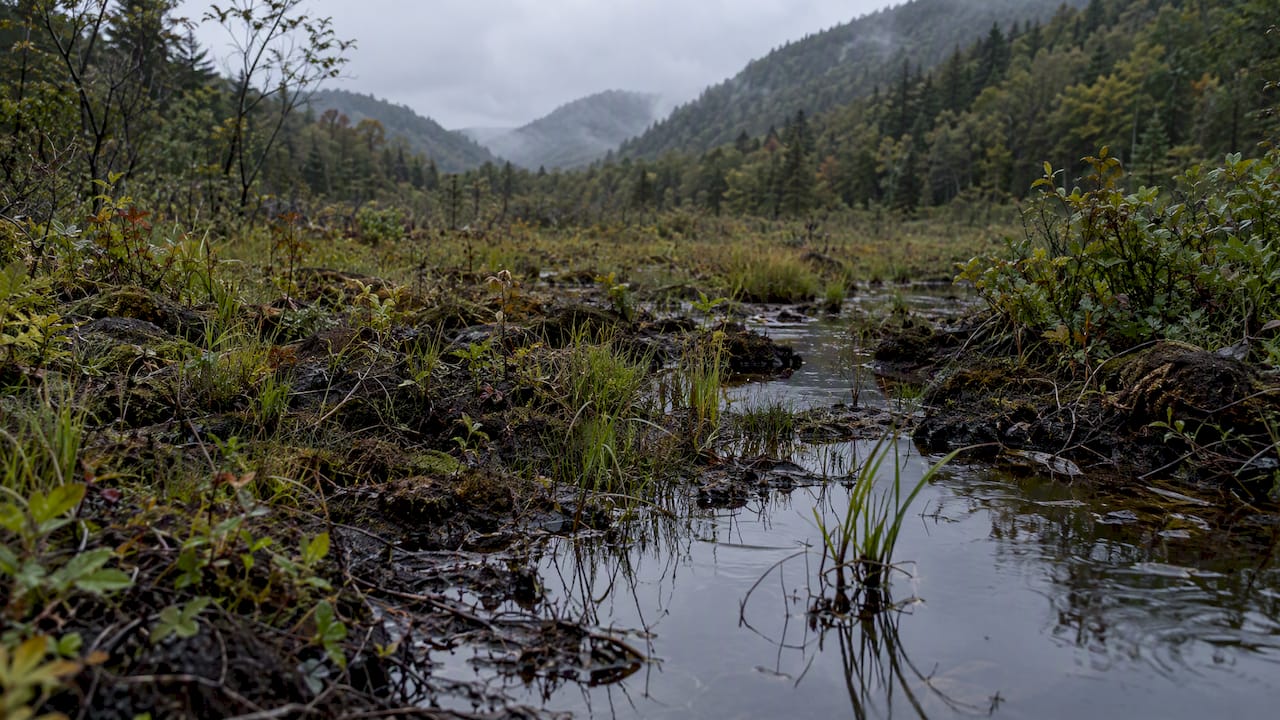
The Man of Wind and Moss leans into cover copy and comparisons that place it squarely in the pagan-ritual, rural-dread lane contemporary publishers now market deliberately as folk horror. It fits readers who want a newer release with the genre’s classic ingredients: isolated setting, old ritual, modern intruder.
The Mammoth Book of Folk Horror is the anthology to own if you want range in one volume. It collects both historical pieces from writers like Machen, Blackwood, and M. R. James and newer contributions, which makes it useful for seeing the subgenre’s full arc without committing to a dozen separate novels.
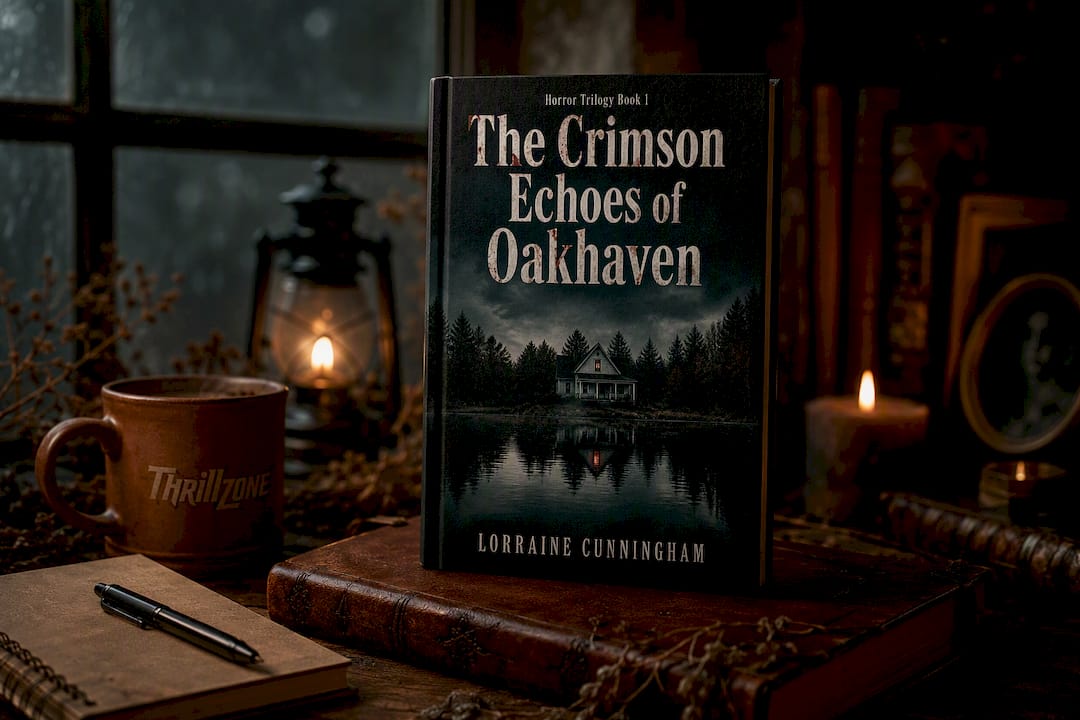
The Crimson Echoes Of Oakhaven (Book 1), available through our e-books catalog, follows a town whose buried history resurfaces through a series of events that locals treat as inevitable rather than strange. It earns a place on this list because it leans on the same mechanism that defines the genre: a community’s folklore isn’t background color, it’s the thing actually driving the plot. Readers who liked Harvest Home’s slow unraveling of a town’s secret or The Bog Wife’s ancestral-bargain structure will find familiar footing here, and the preview chapter option lets you confirm the pacing suits you before buying.
- Blackwood and Machen: foundational atmosphere and pagan-survival themes.
- Tryon and Hardy/Shaffer: mid-century ritual-and-outsider classics.
- Melrose and Chronister: contemporary, regionally distinct takes.
- The Mammoth Book of Folk Horror: one-volume survey of the whole tradition.
- The Crimson Echoes Of Oakhaven: a community-folklore-driven pick from our own catalog.
2. How do you pick the right folk horror book for your mood?
Not every folk horror book delivers the same experience, and matching the right one to your current mood saves you from abandoning a book that’s objectively good but wrong for the moment.
Work through this short checklist before you commit to a title:
- Decide how much ambiguity you can tolerate: some books resolve their horror, others leave the ending deliberately unsettled.
- Pick your setting preference: isolated British countryside, Appalachian backwoods, or a fictional American town.
- Consider pace: literary slow-burns like Midwinter reward patience, while plot-driven books like The Wicker Man move faster.
- Check length and density: a 200-page novel is a different commitment than a dense anthology.
- Match format to your sampling habit: a standalone novel versus a collection you can read story by story.
Three quick reader profiles help narrow things further. If you want slow dread with minimal action, Midwinter or the atmospheric sections of The Willows fit best. If you want folklore driving an active plot with real stakes, Harvest Home, The Bog Wife, or The Crimson Echoes Of Oakhaven deliver that. If you’d rather sample many voices before committing to one novel, The Mammoth Book of Folk Horror or a short story collection gets you there fastest. Readers who already gravitate toward slow, atmospheric dread in other subgenres may also recognize their taste in this mood-based checklist for Mexican Gothic fans.
Pro Tip: Use a preview chapter before buying any unfamiliar folk horror title. It takes five minutes and tells you more about pacing and tone than any blurb can.
3. What are the main subgenres and regional flavors of folk horror?
Folk horror isn’t one flavor. Recent scholarship reframes it as a genuinely global field, with distinct regional traditions shaped by local landscape and belief systems rather than a single British template.
- British pastoral folk horror: isolated villages, old customs, and a clash between modern outsiders and entrenched ritual. Harvest Home and The Wicker Man novelization both sit here.
- Appalachian and rural gothic: American backwoods settings where family and land are bound by inherited, often unspoken, compacts. The Bog Wife is the clearest example on this list.
- Southern and eco-horror: folklore entangled with environmental anxiety, where the land itself carries menace tied to human neglect or exploitation.
- Anthologies and collected fiction: not a region but a format that lets you sample multiple traditions in one book, which makes a volume like The Mammoth Book of Folk Horror one of the most efficient entry points for a newcomer deciding which regional flavor suits them.
4. Why these picks: curator notes and practical next steps
These recommendations are curated by lorraine, drawing on both canonical scholarship and current reader consensus from communities like Goodreads shelves and r/horrorlit, where folk horror titles get tagged and discussed consistently enough to reveal which books actually hold up.
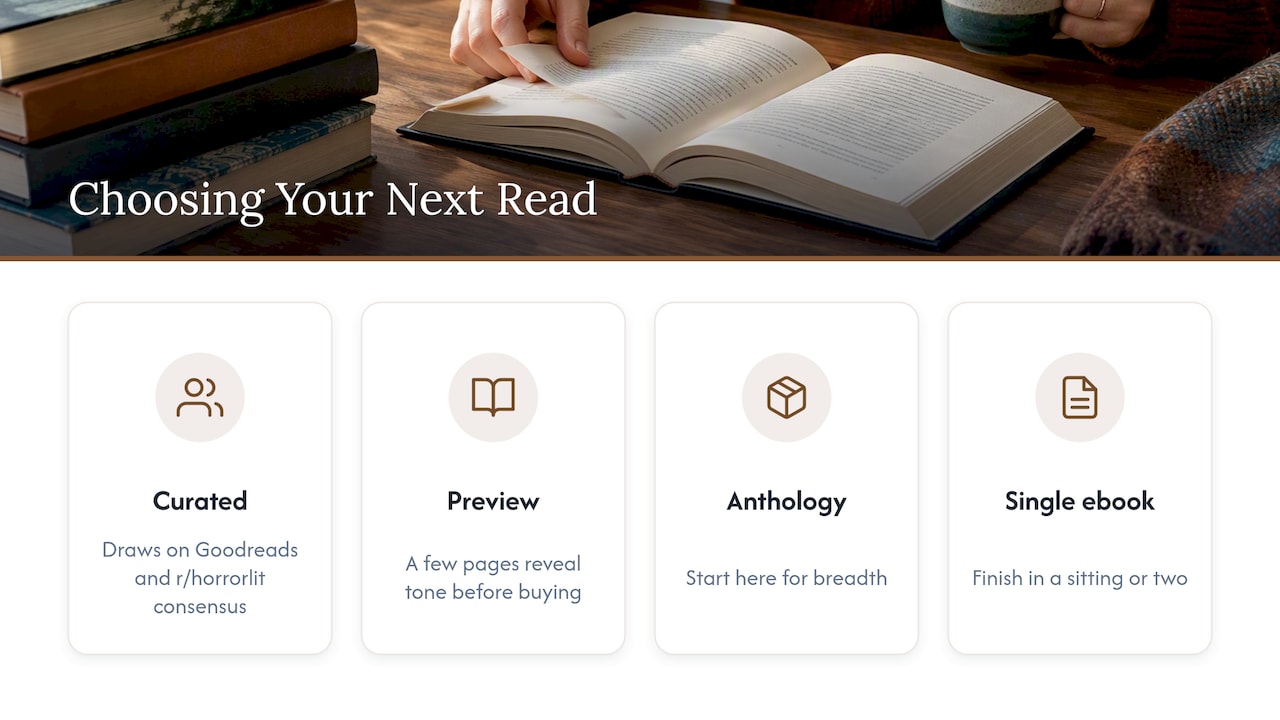
Our preview chapter feature exists for exactly the uncertainty this genre creates: tone varies wildly between a slow literary novel and a plot-forward ritual thriller, and reading a few pages first beats guessing from a cover. For breadth, start with an anthology. For a focused read you can finish in a sitting or two, choose a single ebook and sample its opening before buying.
5. A personal note on reading folk horror
Folk horror works on me the way an old family story does: you know it’s been shaped and reshaped, yet it still lands. What I value most is the unease that lingers after the book ends, the sense that the ritual or belief at its center didn’t stop existing just because the last page did. If you’re picking a first read, start with Harvest Home on a quiet evening when you’ve got nowhere to be afterward.
— lorraine
6. Preview our catalog and start with The Crimson Echoes Of Oakhaven
We built our catalog around a simple idea: you shouldn’t have to guess whether a book fits your taste before you pay for it. Every title on Thrillerhorrorsuspense comes with a preview chapter, so you can read the opening pages of a folk horror novel the same way you’d flip through a paperback in a store.
- Preview chapters let you check pacing and tone before buying.
- Our horror and thriller collections sit alongside our original titles for easy browsing.
- The Crimson Echoes Of Oakhaven (Book 1) follows a town whose folklore drives its plot, a fit for readers who just finished this list wanting something similar.
If the community-and-folklore thread running through Harvest Home or The Bog Wife is what pulled you in, The Crimson Echoes Of Oakhaven is worth previewing next.
FAQ
What is the best folk horror book?
There’s no single consensus “best,” since reader taste splits between slow literary dread and plot-driven ritual horror. Harvest Home and The Wicker Man novelization are the two most frequently cited starting points across reader communities and scholarship alike.
What is considered the scariest book ever written?
This depends heavily on personal tolerance and genre preference, so there’s no agreed-upon single answer. Within folk horror specifically, readers most often point to Harvest Home or The Great God Pan for sustained dread rather than jump scares.
What is considered folk horror?
Folk horror is horror that treats folklore, local custom, or rural belief as a thematic and aesthetic engine, not just a backdrop. Adam Scovell’s formal criteria describe it as work that uses folklore to create the arcane, stages a clash with modernity, and often generates new folklore of its own.
Who are some famous folk horror authors?
Arthur Machen and Algernon Blackwood are widely credited as foundational influences, with M. R. James often grouped alongside them in anthology scholarship. Contemporary writers including Kay Chronister and Thomas Tryon have extended the tradition into American and modern settings.
Sources
- Folk Horror: Hours Dreadful and Things Strange. By Adam Scovell | Gothic Studies
- Folk Horror: New Global Pathways
Recommended
- 12 Black Horror Authors to Read First, With Preview Chapters
- Find the Right Psychological Horror Books by Mood, Preview Chapters
- 15 One Sitting Horror Novellas to Read Tonight, Includes Previews
- Pick Cosmic Horror in 5 Minutes: Formats and Previews for New Readers